
EPS machines play a vital role in producing expanded polystyrene products for construction, packaging, insulation, and other industrial applications. From EPS pre-expansion and molding to cutting, recycling, and shaping, different EPS machinery performs specific tasks to improve production efficiency, product quality, and material utilization.
In this guide, we will explain what an EPS machine is, how EPS machinery works, and the main types available in 2026. Whether you are starting an EPS production business or upgrading your existing equipment, understanding these machines can help you choose the right solution for your production needs.
What Is EPS?
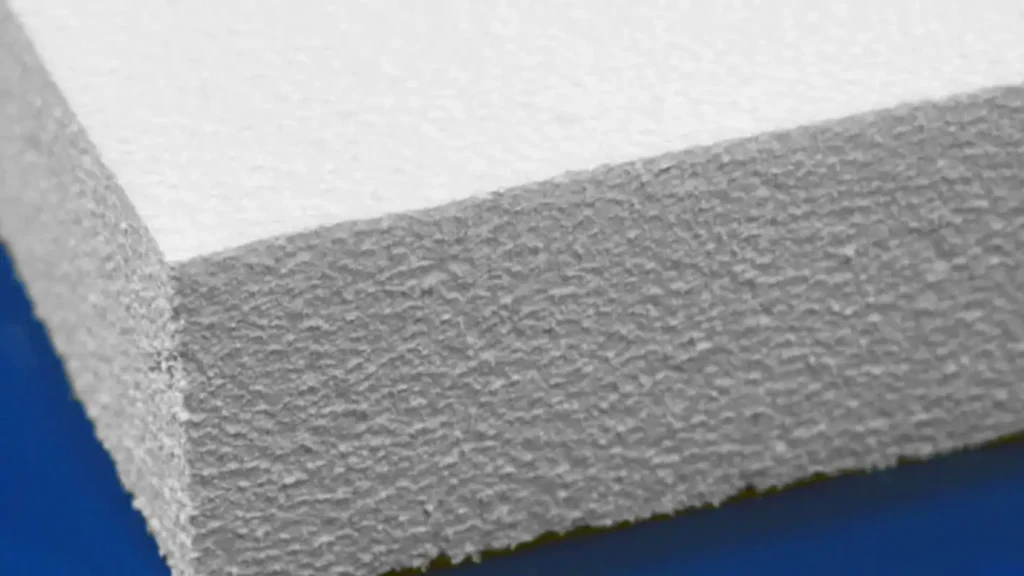
“EPS” typically refers to Expanded Polystyrene (EPS), a foam insulation material. EPS is a lightweight, rigid, closed-cell foam plastic that is commonly used for insulation in construction and packaging.
It possesses excellent and durable thermal insulation, unique cushioning and shock resistance, anti-aging properties, and waterproof characteristics. EPS material is widely used in food and electronics packaging, as well as in the construction insulation industry.
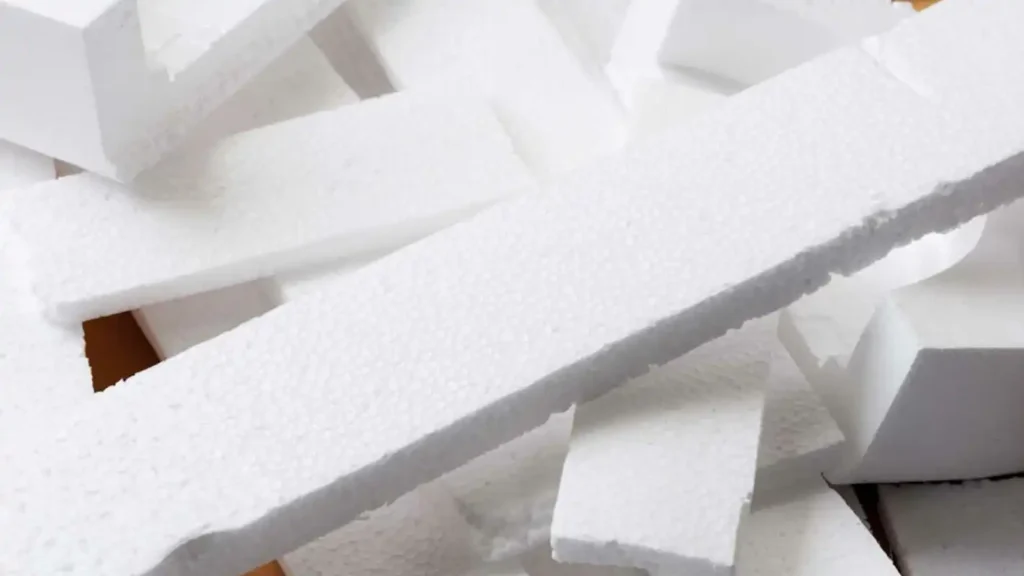
In the construction industry, EPS foam boards are often used as insulation material to improve the energy efficiency of buildings. These boards can be installed in walls, roofs, and floors to provide thermal insulation, helping to regulate temperature and reduce energy consumption.
EPS is created by expanding polystyrene beads with steam, forming a closed-cell structure that gives the material its insulating properties. It is a versatile material with various applications due to its lightweight nature, thermal insulation capabilities, and affordability.
What Is an EPS Machine?
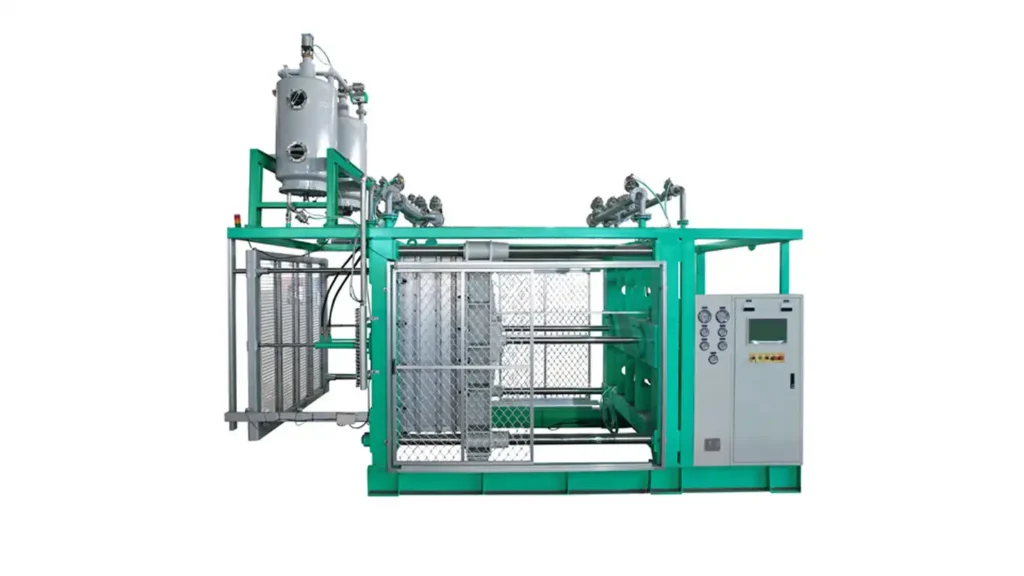
An EPS machine is a piece of equipment used in the manufacturing process of Expanded Polystyrene (EPS).
Expanded Polystyrene is a lightweight, rigid, closed-cell foam plastic that is commonly used for insulation, packaging, and other applications. The EPS machine is specifically designed to produce and shape EPS foam in various forms.
The EPS manufacturing process involves expanding polystyrene beads with steam, forming a closed-cell structure that gives the material its insulating properties.
The EPS machine typically includes components such as a pre-expander to expand the beads, a molding machine to shape the expanded material into desired forms (such as EPS foam sheets or EPS foam blocks), and cutting equipment to cut the formed EPS into specific dimensions.
These machines are used in industries where EPS is in demand, such as construction (for insulation materials) and packaging (for protective foam inserts). The EPS machine plays a crucial role in the production of EPS products, allowing for efficient and precise manufacturing of foam materials with the desired characteristics and dimensions.
Types of EPS Machine
-
 Energy-Saving EPS Shape Moulding Machine
 -
-1-300x300.webp) EPS Vertical Block Moulding Machine
EPS Vertical Block Moulding Machine -
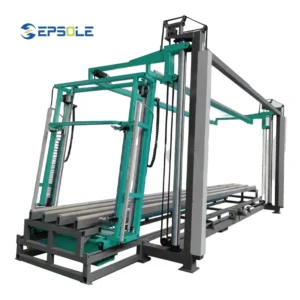 EPS Cutting Machine With Automatic Wire Adjustment
 -
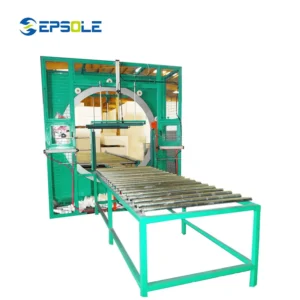 EPS Packing Machine
 -
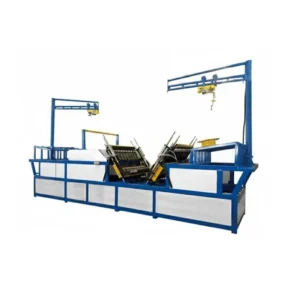 3D EPS Panel Machine
 -
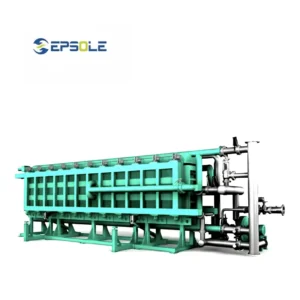 EPS Air Cooling Block Molding Machine
 -
-300x300.webp) EPS Continuous Cutting Machine
EPS Continuous Cutting Machine -
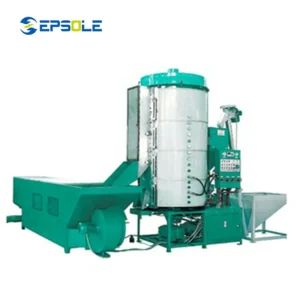 EPS Continuous Pre-expander Machine
 -
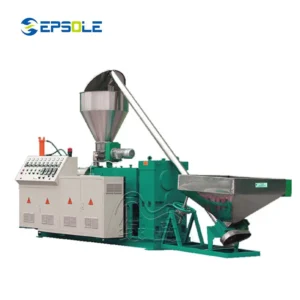 EPS Pelletizer Machine
 -
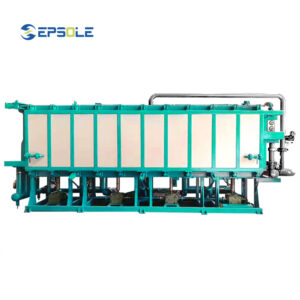 Vacuum EPS Block Molding Machine
 -
 EPS Batch Pre-expander Machine
 -
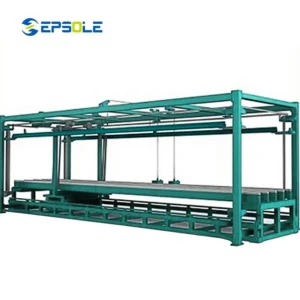 EPS Foam Block Cutting Machine
EPS, or Expanded Polystyrene, machines refer to EPS manufacturing equipment used in the production and processing of expanded polystyrene foam. Expanded polystyrene is a lightweight and versatile material often used in packaging, insulation, construction, and other industries.
There are various types of EPS machines designed for specific applications within the production process. Here are some common types:
EPS Pre-expander:
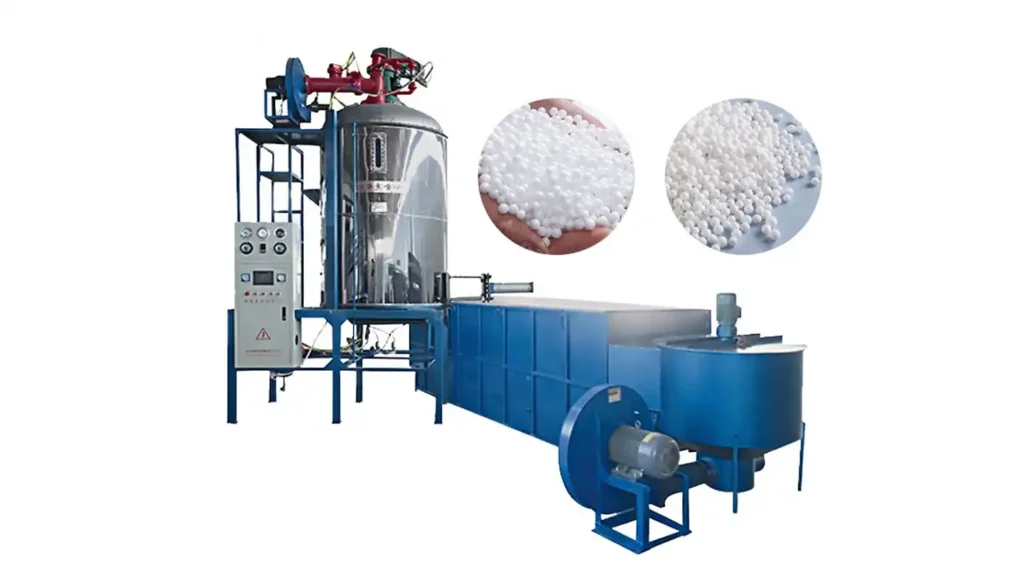
An EPS pre-expander is an essential machine in the expanded polystyrene production process. It heats and expands raw EPS beads using steam, increasing their volume before molding. This step controls bead density and prepares the material for various foam products used in packaging, insulation, and industrial applications.
- Cold Storage and Fish Boxes – EPS beads processed by the pre-expander are molded into insulated boxes for seafood, meat, and temperature-sensitive goods. These containers help maintain low temperatures and protect products during transportation and storage.
- Packaging Materials – EPS pre-expanders produce foam beads used to manufacture protective packaging products. These materials cushion fragile goods such as electronics, appliances, and glass items during shipping, reducing damage and improving transport safety.
- Building Insulation Boards – The expanded beads created by the pre-expander are molded into EPS insulation boards. These boards are widely used in walls, roofs, and floors to improve thermal insulation and energy efficiency.
- Food and Beverage Containers – Pre-expanded EPS beads are used to create lightweight food containers, cups, and trays. These products provide thermal insulation, helping maintain food temperature during storage, transport, and takeaway services.
EPS Shape Molding Machine:
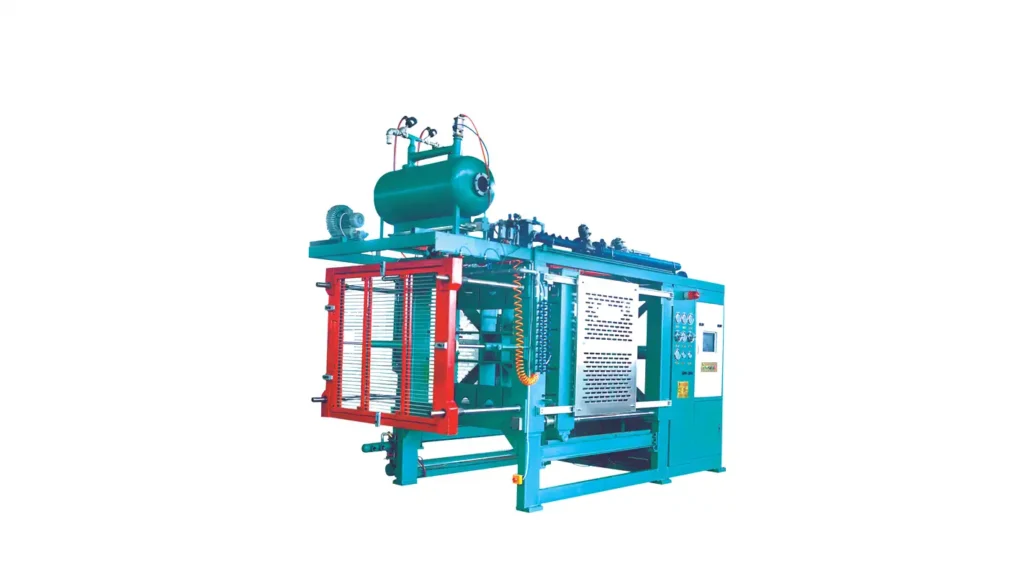
An EPS shape molding machine is used to produce molded expanded polystyrene products by heating and fusing pre-expanded EPS beads inside a mold. The machine applies steam and pressure to shape the material into specific forms. It is widely used to manufacture packaging items, insulation components, and protective foam products for many industries.
- Cold Chain Transport Boxes – EPS shape molding machines produce insulated boxes used for seafood, pharmaceuticals, and food delivery. These containers help maintain stable temperatures during transportation, ensuring that temperature-sensitive goods remain fresh and protected throughout the logistics process.
- Protective Packaging Products – EPS shape molding machines produce custom foam packaging designed to protect fragile products during transport. Molded inserts securely hold electronics, appliances, and precision equipment, reducing vibration, impact damage, and movement inside shipping cartons.
- Construction Insulation Blocks – The machine can manufacture EPS blocks and shaped insulation components used in walls, roofs, and foundations. These products provide thermal insulation, moisture resistance, and lightweight structural support for energy-efficient building projects.
- Appliance Packaging Components – EPS molded parts are widely used to protect household appliances such as refrigerators, televisions, and washing machines. Shape molding machines produce precise forms that stabilize products, absorb shocks, and prevent damage during handling and shipping.
EPS Block Molding Machine:
An EPS block molding machine is designed to shape pre-expanded EPS beads into large blocks of foam for further processing. These blocks can be cut into sheets, panels, or custom sizes for insulation, packaging, or construction applications. The EPS machine controls density, size, and shape, ensuring consistent quality for industrial and commercial use.
- Cold Storage and Refrigeration Products – EPS blocks are used to produce insulated panels and containers for cold storage, seafood, and food transport. These blocks maintain low temperatures efficiently, protecting perishable goods and improving energy savings in refrigeration systems.
- Construction Insulation Panels – EPS blocks produced by the machine are cut into sheets or panels for walls, roofs, and floors. These panels provide excellent thermal insulation, lightweight structural support, and energy efficiency for residential and commercial buildings.
- Packaging Materials – Large EPS blocks can be processed into custom protective packaging inserts. These inserts cushion fragile products such as electronics, appliances, and glassware, preventing damage during transport and storage.
- Architectural and Decorative Elements – EPS block molding machines produce foam blocks that can be carved or shaped into decorative panels, moldings, or signage. The blocks offer lightweight, durable solutions for creative building designs and interior applications.
EPS Cutting Machine:
An EPS cutting machine is used to slice large EPS blocks into sheets, panels, or custom shapes for insulation, packaging, and industrial applications. The machine uses hot wire or mechanical cutting methods to achieve precise dimensions, smooth edges, and consistent thickness, ensuring efficient processing and high-quality foam products.
- Cold Chain and Refrigeration Panels – Cut EPS blocks are used to manufacture insulated boxes and panels for seafood, food, and pharmaceuticals. Accurate cutting ensures consistent panel thickness and effective temperature control during storage and transportation.
- Insulation Panels – EPS cutting machines transform large blocks into sheets for walls, roofs, and floors. These panels provide reliable thermal insulation, reduce energy costs, and maintain consistent performance in residential and commercial construction projects.
- Custom Packaging Solutions – Large EPS blocks are cut into protective inserts and packaging components. Precision cutting ensures that fragile goods like electronics, appliances, and glassware are securely cushioned and protected during shipping and handling.
- Decorative and Architectural Foam – EPS cutting machines create panels, moldings, and shapes for interior design and signage. The precise cuts allow for clean edges, customizable designs, and lightweight, durable decorative elements.
EPS Recycling Machine:
An EPS recycling machine is designed to process used or scrap EPS foam by compacting, melting, or granulating it into reusable material. This machine reduces waste volume, lowers disposal costs, and produces recycled EPS beads or pellets that can be used again in manufacturing, packaging, or insulation applications.
- Energy-Efficient Manufacturing – Recycled EPS from the machine can be incorporated into new molded or block products, maintaining thermal insulation performance while reducing environmental impact and resource consumption in packaging, construction, or industrial applications.
- Recycling EPS Packaging Waste – The machine processes discarded EPS packaging, such as protective inserts and trays, compressing and granulating it into reusable material. This reduces landfill waste and allows manufacturers to reuse EPS in new products.
- Construction Scrap Recovery – EPS offcuts and leftover insulation panels from construction sites can be recycled. The machine converts waste foam into compacted blocks or granules that are ready for reuse, minimizing material loss and promoting sustainable building practices.
- Production Scrap Reuse – During EPS product manufacturing, leftover or defective pieces can be fed into the recycling machine. The recovered material can be reprocessed into pre-expanded beads, reducing raw material costs and supporting eco-friendly production.
EPS Coating Machine:
An EPS coating machine applies a protective layer to EPS foam products, enhancing surface strength, water resistance, and durability. This machine ensures uniform coating on molded or cut EPS panels, blocks, and shapes, improving product performance for construction, packaging, and industrial applications while extending their lifespan.
- Cold Storage and Refrigeration Applications – EPS containers and panels used for seafood, food, and pharmaceuticals are coated to resist moisture and condensation. This protective layer maintains insulation performance, prevents degradation, and ensures reliable temperature control during transport and storage.
- Insulation Panels Protection – The coating machine strengthens EPS insulation boards for walls, roofs, and floors. A protective layer prevents moisture absorption, surface damage, and dust accumulation, ensuring long-lasting thermal efficiency and durability in residential and commercial buildings.
- Packaging Product Enhancement – EPS molded inserts and trays benefit from coating for improved impact resistance and surface smoothness. The protective layer reduces tearing, chipping, and contamination during shipping, maintaining the integrity of fragile goods such as electronics and glassware.
- Decorative and Architectural Foam – Coated EPS shapes and panels for interior or exterior designs gain enhanced surface hardness. The coating allows for painting, finishing, and better resistance to scratches or minor impacts, ensuring aesthetic quality and longevity of decorative elements.
How Does EPS Machine Work?
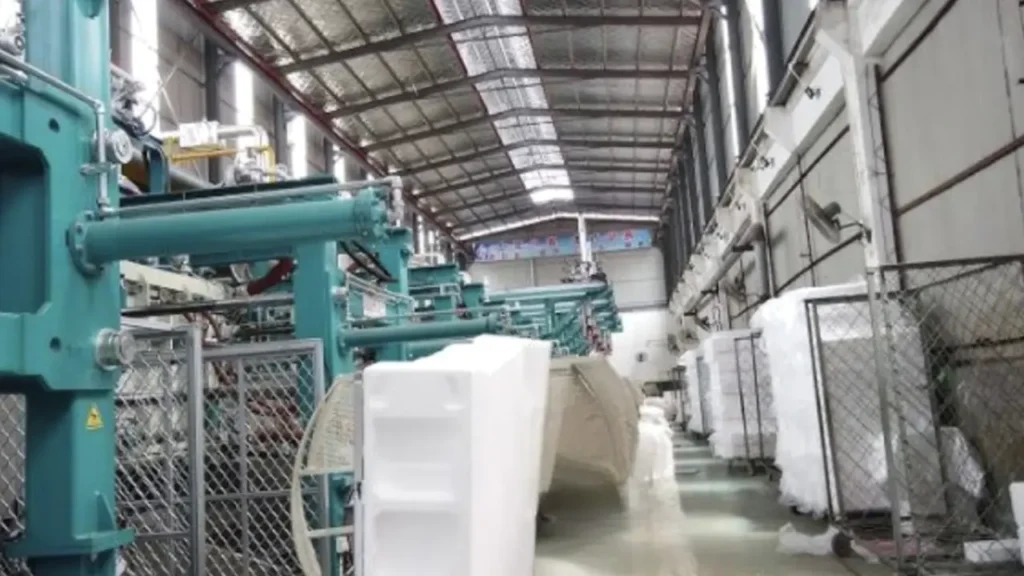
EPS machines work by transforming raw or pre-expanded polystyrene beads into finished foam products through processes like expansion, molding, cutting, coating, or recycling. Each type of machine has a specific function, but all rely on controlled heat, pressure, and shaping techniques to produce lightweight, durable, and precise EPS components.
EPS Coating and Finishing Machines – These machines apply protective layers to molded or cut EPS products. Coating enhances surface strength, moisture resistance, and durability, making foam panels, shapes, and containers suitable for construction, packaging, and cold storage applications.
EPS Pre-expander Operation – Raw EPS beads are heated with steam to expand their size. The pre-expander controls bead density and volume, ensuring uniformity. Expanded beads are then cooled and stored for molding or block production, forming the foundation for high-quality EPS products.
EPS Molding Machines – Pre-expanded beads are placed in molds where steam and pressure fuse them into specific shapes. This process creates molded products like packaging inserts, cups, or insulation components, achieving consistent density, smooth surfaces, and precise dimensions for various applications.
EPS Cutting Machines – Large EPS blocks are sliced into sheets, panels, or custom shapes using hot wire or mechanical blades. Precise cutting ensures accurate dimensions, smooth edges, and minimal material waste, preparing blocks for insulation, packaging, or decorative uses.
Advantages of Using EPS Machine
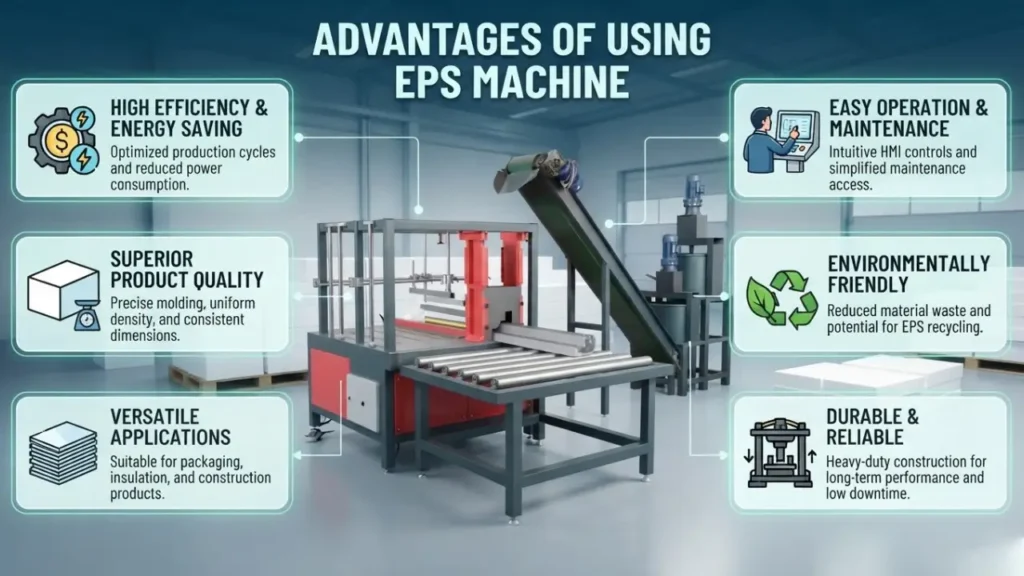
Investing in the right EPS machine improves both product quality and production efficiency. Modern equipment gives you better control over steam, pressure, and cycle timing, which directly reduces defects like bead melting or under-fusion. Choosing suitable machinery also affects your long-term output consistency and operating costs.
Flexibility Across Bead Grades: Advanced machines allow finer adjustment of steam and pressure settings, making it easier to switch between different bead densities or grades. This flexibility helps you serve multiple applications, from packaging to insulation, without needing separate equipment for each.
Consistent Product Quality: Automated steam and pressure controls reduce the variation that comes with manual adjustments. This consistency lowers defect rates across production runs, helping you meet density and dimensional specifications more reliably without constantly recalibrating settings between batches.
Higher Production Efficiency: Modern EPS machines shorten cycle times through optimized steam delivery and faster cooling systems. This allows you to produce more blocks per shift without sacrificing quality, improving overall throughput and helping you meet larger order volumes on schedule.
Lower Material Waste: Precise control over steam temperature and pressure reduces the number of defective blocks caused by melting or under-fusion. Fewer rejected blocks mean less wasted raw material, directly lowering your production costs over time and improving overall yield.
Energy Savings: Newer machines often include improved insulation and more efficient steam distribution systems, reducing the energy needed per cycle. Lower energy consumption per block adds up significantly across high-volume production, improving your operating margins over time.
Easier Process Monitoring: Many EPS machines include digital controls and data logging for steam temperature, pressure, and cycle timing. This makes it easier to track performance trends, identify recurring defect patterns, and adjust settings proactively instead of reacting after problems appear.
Applications of EPS Machines
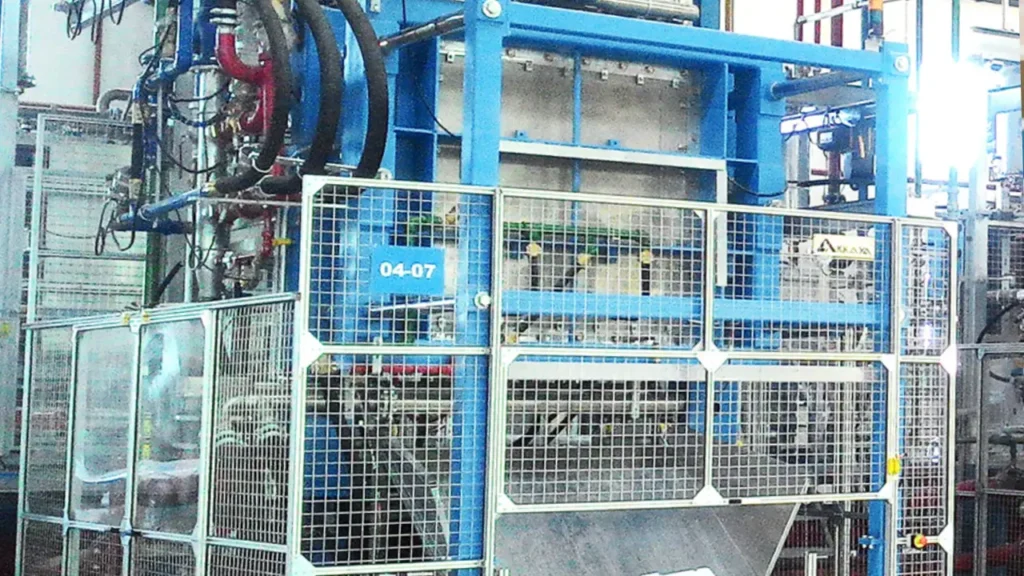
EPS machines are essential for producing a wide range of polystyrene foam products used across construction, packaging, and industrial applications. They streamline processes such as expansion, molding, cutting, coating, and recycling, ensuring high efficiency, consistent quality, and versatility for creating lightweight, durable, and energy-efficient foam materials.
- Recycling and Sustainability Applications – EPS recycling machines process scrap or used foam into reusable beads or pellets. This reduces waste, supports eco-friendly manufacturing, and allows recovered material to be reused in new EPS products, lowering raw material costs and environmental impact.
- Construction Insulation Products – EPS machines produce blocks, panels, and molded shapes used in walls, roofs, and floors. These materials provide excellent thermal insulation, moisture resistance, and structural support, helping buildings achieve energy efficiency and long-term durability in residential and commercial projects.
- Protective Packaging – Machines create EPS inserts, trays, and custom molded forms that cushion fragile goods. These products protect electronics, appliances, and delicate items during shipping, reducing breakage, improving safety, and ensuring reliable delivery to consumers.
- Food and Beverage Containers – EPS machines produce cups, trays, and containers with consistent shape and insulation properties. These items maintain temperatures for hot and cold foods, ensuring freshness during storage, transport, and serving, while being lightweight and cost-effective for mass production.
Conclusion
EPS machinery provides an efficient way to process expanded polystyrene into insulation materials, packaging products, decorative components, and various customized shapes. With the right equipment, manufacturers can improve production efficiency, maintain consistent product quality, reduce material waste, and meet different application requirements in today’s competitive EPS market.
Choosing the right EPS machine depends on your product type, production capacity, raw material requirements, automation level, and available workspace. By understanding the functions of EPS pre-expanders, molding machines, cutting machines, recycling equipment, and other specialized machinery, you can build a more efficient and cost-effective EPS production line.
If you are looking for reliable EPS machinery for your business, we can provide suitable solutions for different production requirements. Get wholesale EPS machines from our Epsole and work with us to select high-quality equipment that supports stable production, efficient processing, and long-term business growth.