
Foam board insulation is a rigid insulation material typically made from expanded polystyrene (EPS), extruded polystyrene (XPS), or polyisocyanurate (polyiso). It comes in large sheets with high R-values, making it an effective barrier against heat transfer. This means it significantly reduces heat loss in winter and heat gain in summer, improving energy efficiency and lowering energy bills.
Foam boards are versatile and easy to install, making them suitable for various applications such as insulating walls, roofs, foundations, and even under concrete slabs. They are also resistant to moisture and mold, contributing to a healthier and more comfortable indoor environment.
What Is Foam Board Insulation?
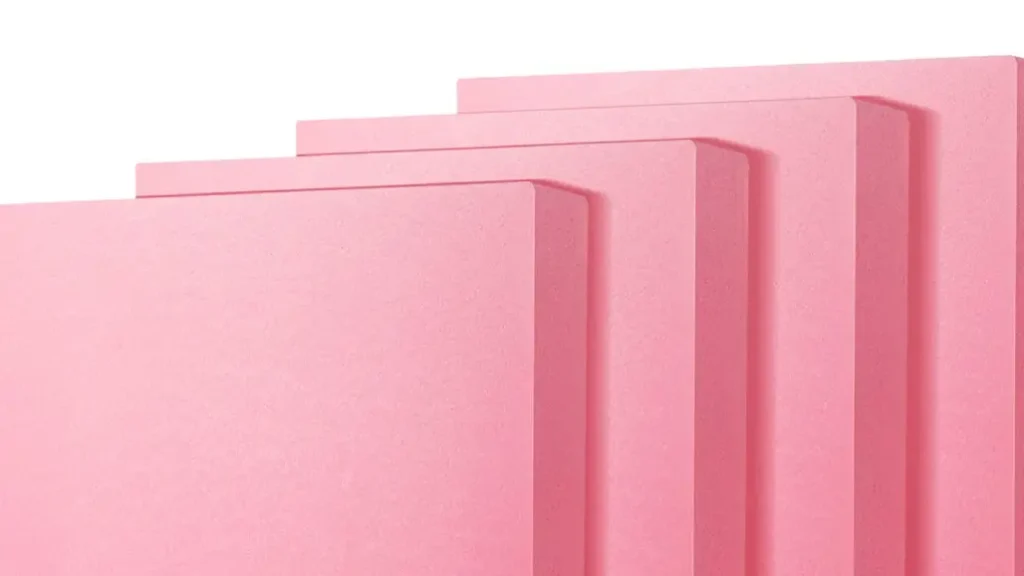
Foam board insulation consists of rigid panels made from various materials such as expanded polystyrene (EPS), extruded polystyrene (XPS), or polyisocyanurate (polyiso). These boards are characterized by their high R-value, meaning they offer excellent resistance to heat transfer, making them effective in improving energy efficiency.
Foam board insulation finds diverse applications in construction, including wall insulation, foundation insulation, roofing underlayment, and more. Its versatility and ease of installation make it a popular choice for both residential and commercial projects.
How Does Foam Board Insulation Work?
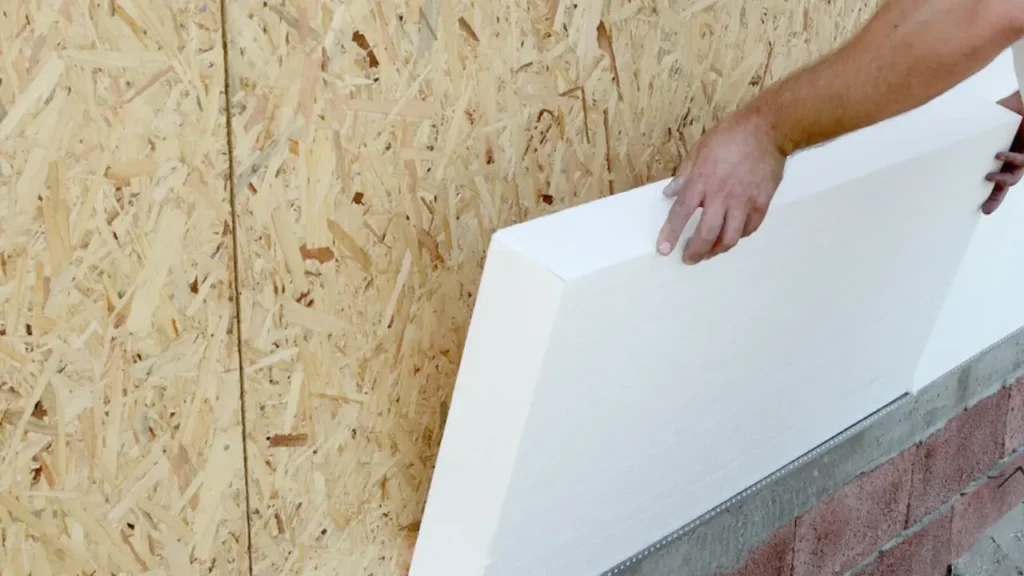
Foam board insulation works by reducing heat transfer through walls, roofs, and floors. Its closed-cell structure traps air inside the foam, slowing the movement of heat.
This barrier helps keep indoor spaces warmer in winter and cooler in summer, improving energy efficiency and maintaining more stable temperatures inside buildings.
- Resistance to Conduction: Heat naturally flows from warmer areas to colder areas. Foam board insulation, with its dense cellular structure, significantly hinders the direct flow of heat through the material itself. The tiny air pockets within the foam act as barriers, slowing down the conduction process.
- Resistance to Convection: Convection involves the movement of heat through the circulation of fluids (air or liquids). Foam board insulation effectively minimizes air movement within its structure, thereby reducing heat transfer through convection currents.
- Resistance to Radiation: Heat can also be transferred through radiation, which is the emission of electromagnetic waves. While less significant than conduction and convection in most building applications, some foam boards incorporate reflective surfaces (like foil facings) to minimize heat transfer through radiation.
- Air Barrier: When properly installed, foam board insulation creates a continuous air barrier around the building envelope. This prevents air infiltration, which is a major source of heat loss or gain. By sealing air leaks, foam board insulation helps maintain a consistent indoor temperature and reduces energy consumption.
- Thermal Bridging Mitigation: Thermal bridging occurs when heat escapes through conductive materials like studs or concrete within a building’s structure. By covering these areas with continuous insulation, foam board helps minimize heat loss through these thermal bridges, improving overall energy efficiency.
In essence, foam board insulation works by creating a highly effective barrier against heat transfer, leading to improved energy efficiency, reduced energy costs, and enhanced comfort within the building.
What is Foam Board Insulation Used For?
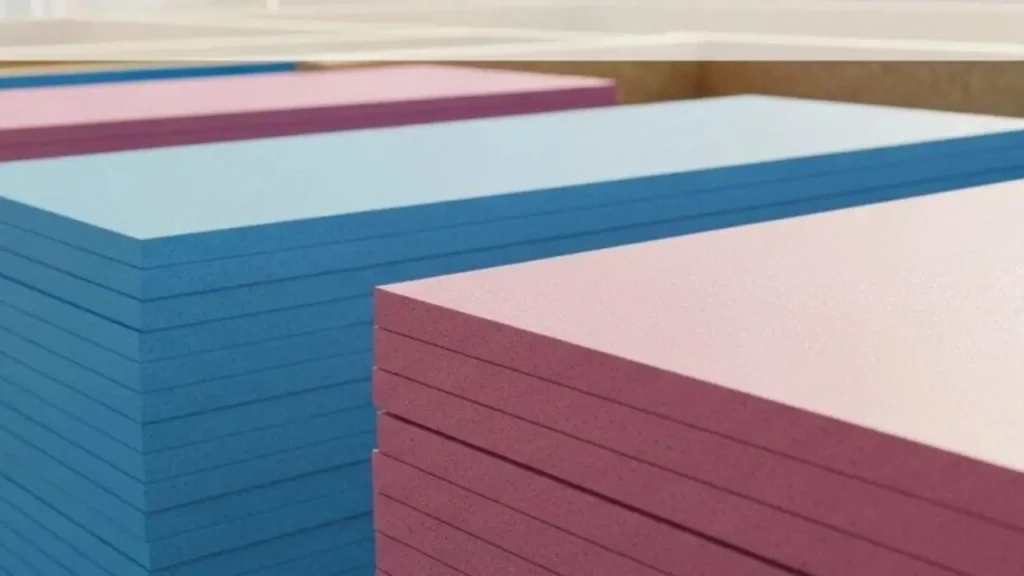
Foam board insulation, a versatile material in construction, offers significant thermal resistance and moisture protection. Its rigid structure and diverse material compositions make it suitable for a wide array of applications. This guide details the primary uses of foam board insulation in various settings.
Exterior Wall Insulation
Foam board insulation is commonly used on exterior walls to create a continuous layer of insulation, reducing thermal bridging and air leakage. It can be installed over the exterior sheathing before siding or brick is applied, enhancing the building’s energy efficiency. This application is particularly beneficial in climates with extreme temperatures, as it maintains consistent indoor temperatures.
Foundation and Below-Grade Insulation
Due to its moisture resistance, foam board is ideal for insulating foundations and below-grade walls. It prevents heat loss through the foundation and protects against moisture intrusion, which can lead to mold growth and structural damage. This application is crucial for maintaining a dry and comfortable basement environment.
Roofing Insulation
Foam board insulation is used in roofing systems to improve thermal performance and reduce energy costs. It can be installed over the roof deck or under the roofing membrane, providing a continuous insulation layer. This application is particularly effective in commercial and industrial buildings with large roof areas.
Interior Wall Insulation
While less common, foam board can also be used for interior wall insulation, especially in areas where soundproofing and thermal control are desired. It can be installed in partition walls to reduce noise transmission and maintain different temperature zones within a building. This application is useful in multi-family dwellings and commercial spaces.
Structural Insulated Panels (SIPs)
Foam board is a core component in structural insulated panels (SIPs), which are used for walls, roofs, and floors. SIPs provide excellent insulation and structural support, reducing construction time and energy costs. They are used in both residential and commercial buildings for their high energy efficiency and structural integrity.
How to Cut Foam Board Insulation?
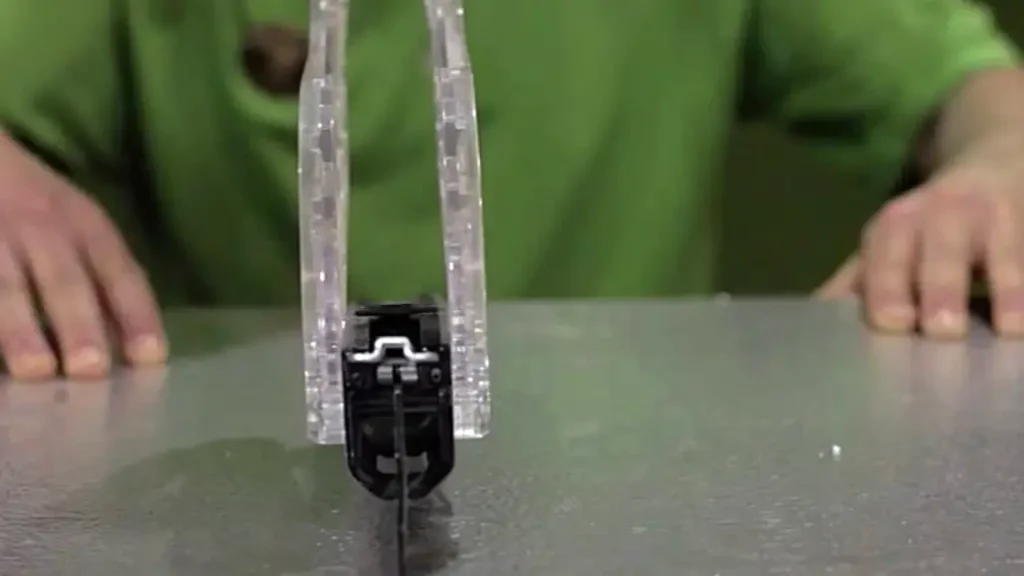
Cutting foam board insulation correctly helps ensure clean edges, accurate dimensions, and easy installation. With the right tools and simple techniques, you can trim foam boards to fit walls, floors, or ceilings without damaging the material. Careful measuring and steady cutting will improve insulation performance and reduce material waste during installation.
Tools Needed
- Cutting surface or workbench
- Utility knife
- Straightedge or metal ruler
- Measuring tape
- Marker or pencil
- Work gloves
Here’s a step-by-step guide on foam board cutting:

-300x300.webp)
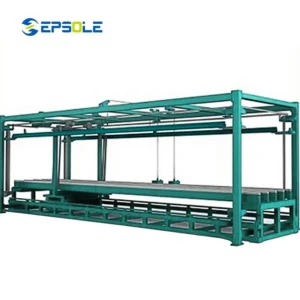
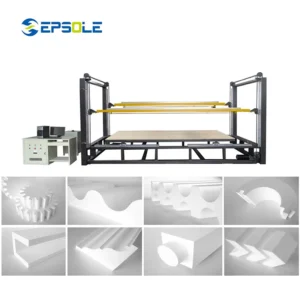
Step 1: Measure and Mark the Foam Board
Start by measuring the area where the foam board will be installed. Use a measuring tape to determine the required dimensions, then mark the cutting line clearly with a marker or pencil. Place a straightedge along the marked line to guide your cut and ensure the edge stays straight and accurate.
Step 2: Score the Foam Board Surface
Position the straightedge firmly along the marked line. Using a sharp utility knife, carefully score the surface of the foam board with steady pressure. Make one or two passes along the same line to create a deep groove. Scoring helps control the cut and prevents uneven or jagged edges.
Step 3: Snap the Foam Board Along the Cut
After scoring the surface, lift the foam board slightly and apply gentle pressure along the cut line. The board should snap cleanly along the scored groove. This method creates a straight break and reduces debris, making it easier to achieve accurate insulation panels for installation.
Step 4: Trim and Smooth the Edges
Inspect the cut edge after snapping the foam board. If necessary, use the utility knife to trim rough sections or remove small foam pieces. Smoothing the edges ensures a better fit between insulation panels and helps create tighter joints that improve the overall insulation effectiveness of the installation.
How Much is Foam Board Insulation?
The cost of foam board insulation can vary widely depending on several factors. Typically, it ranges from $0.30 to $1.50 per square foot.
Some key factors influencing the price include the type of foam board (EPS, XPS, or polyiso), its thickness, the brand and supplier, the quantity purchased (wholesale vs. retail), and any associated labor costs for installation.
It’s important to obtain quotes from multiple suppliers and consider the total cost of the project, including materials and labor, before making a decision. Consulting with a qualified contractor can help you determine the most suitable type and thickness of foam board insulation for your specific needs and budget.
When to Use Foam Board Insulation
Foam board insulation is a versatile material with various applications in construction. Here are some key situations where it excels:
- Moisture-Prone Areas: Foam board insulation is highly resistant to moisture, making it an ideal choice for areas prone to dampness, such as basements, crawl spaces, and foundation walls. It effectively prevents water infiltration and minimizes the risk of mold and mildew growth.
- Below-Grade Applications: When insulating below-grade areas like foundations and basements, foam board provides superior protection against moisture and ground contact. Its high R-value helps maintain a consistent temperature and reduces heat loss through the ground.
- Air Sealing: Foam board can effectively seal air leaks and create a continuous air barrier around the building envelope. This is crucial for improving energy efficiency and reducing drafts.
- Thermal Bridging Mitigation: Thermal bridging occurs when heat escapes through conductive materials like studs or concrete. Foam board insulation can be used to cover these areas, minimizing heat loss and improving overall energy efficiency.
By carefully considering your specific needs and the characteristics of foam board insulation, you can determine the most suitable applications for your project.
What Glue to Use on Foam Board Insulation
Choosing the right adhesive for foam board insulation is crucial to ensure a secure and long-lasting installation. The wrong glue can degrade the foam, affect its insulation properties, or fail to create a strong bond. This guide outlines the appropriate adhesives for foam board insulation and considerations for their use.
Construction Adhesive
Construction adhesive, specifically those formulated for foam board, is a common choice. These adhesives are designed to bond foam board to various surfaces, including concrete, wood, and metal. It’s essential to select an adhesive that is compatible with the specific type of foam board (EPS, XPS, or polyiso) to prevent damage. Look for products labeled as “foam board adhesive” or “foam-safe.”
Spray Adhesive
Spray adhesives can be used for bonding foam board to large, flat surfaces. They provide a uniform application and quick tack, making installation efficient. However, not all spray adhesives are compatible with foam board, so it’s crucial to select a product that specifies its suitability for foam. Test the spray adhesive on a small, inconspicuous area first to ensure it doesn’t degrade the foam.
Foam-Specific Adhesive
Specialty foam adhesives are formulated to provide a strong bond without damaging the foam’s structure. These adhesives are often solvent-free and designed to cure without shrinking or expanding excessively. They are ideal for applications where a strong, permanent bond is required and are particularly useful for bonding foam board to itself or other foam materials.
Considerations
When selecting an adhesive, consider the environmental conditions, such as temperature and moisture, as these factors can affect the adhesive’s performance. Ensure the adhesive is compatible with the foam board and the substrate it will be bonded to. Avoid solvent-based adhesives, as they can dissolve or degrade foam board. Always follow the manufacturer’s instructions for application and curing to ensure a strong and durable bond.
How to Install Foam Board Insulation?
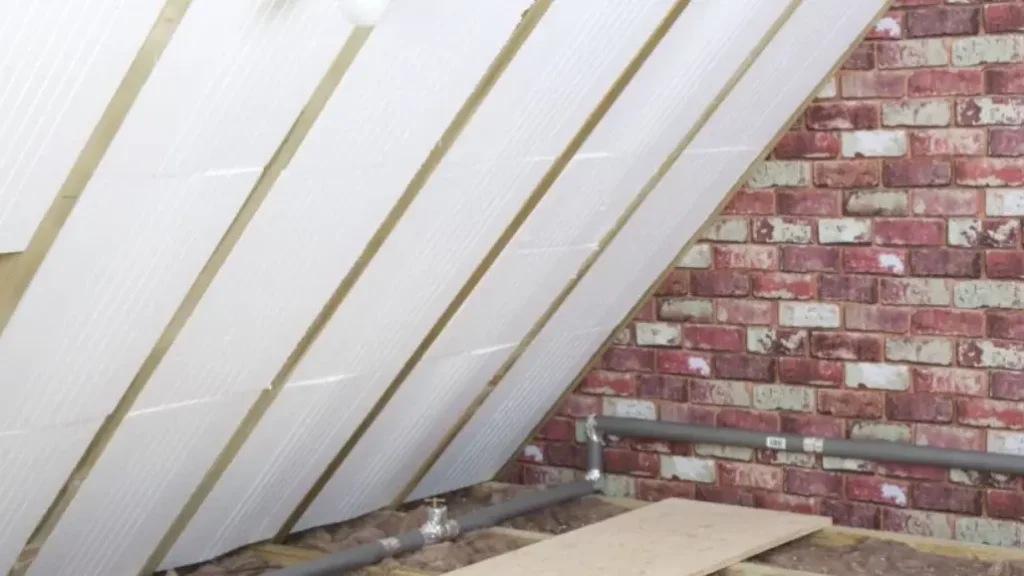
Installing foam board insulation improves energy efficiency by reducing heat transfer through walls, floors, and ceilings. Proper installation ensures tight seams, stable panels, and long-lasting insulation performance.
With the right preparation and tools, foam board insulation can be installed effectively, helping maintain comfortable indoor temperatures and lowering overall heating and cooling energy consumption in buildings.
Tools Needed
- Measuring tape
- Utility knife
- Straightedge or ruler
- Construction adhesive
- Insulation fasteners or screws
- Foam sealant or insulation tape
- Safety gloves and goggles
Step 1: Measure and Prepare the Surface
Measure the installation area carefully and mark the required dimensions on the foam boards. Accurate measurements ensure a tight fit between panels and reduce gaps. Before installation, clean the surface by removing dust, debris, or moisture so the insulation boards can attach properly and sit flat against the wall or floor.
Step 2: Cut the Foam Boards to Size
Mark the cutting line on the foam board using a measuring tape and marker. Place a straightedge along the line and score the surface with a sharp utility knife. After scoring, snap the board along the line and trim any rough edges to ensure the insulation panel fits accurately in place.
Step 3: Attach the Foam Boards Securely
Apply construction adhesive evenly on the back of the foam board or the installation surface. Press the board firmly into position, ensuring it aligns with surrounding panels. For additional stability, use insulation fasteners or screws spaced evenly across the board to keep the insulation secure and prevent movement over time.
Step 4: Seal the Joints and Finish Installation
After installing the boards, check all joints between panels for gaps. Use foam sealant or insulation tape to seal seams and edges. Proper sealing prevents air leakage and improves thermal performance. Once sealed, ensure each panel is firmly attached and aligned, completing a reliable and effective insulation system.
Why is Foam Board Insulation So Expensive?
Foam board insulation can be more expensive than other insulation types due to several factors, including:
Higher R-value: Foam board generally offers a higher R-value per inch of thickness compared to materials like fiberglass, meaning it provides superior insulation and requires less material to achieve the same level of thermal resistance.
Manufacturing costs: The production process for foam board insulation involves specialized equipment and techniques, which can contribute to higher manufacturing costs.
Material costs: The raw materials used to produce certain types of foam board, such as extruded polystyrene (XPS) and polyisocyanurate (polyiso), can be more expensive than those used for other insulation materials.
Superior performance: Foam board insulation offers several advantages beyond just its R-value, such as excellent moisture resistance, durability, and the ability to create an effective air barrier. These added benefits contribute to its higher cost.
While the initial investment may be higher, the long-term energy savings and improved comfort provided by foam board insulation can often offset the increased cost over time.
How to Choose Foam Board Insulation?
Choosing foam board insulation starts with understanding your project requirements, including where the insulation will be installed and the level of thermal resistance needed. Different foam boards offer varying R-values, moisture resistance, and strength. Evaluating factors such as climate conditions, wall or roof structure, and insulation thickness helps ensure the material delivers effective thermal performance.
It is also important to consider durability, compressive strength, and installation compatibility. For example, higher-density foam boards are better for flooring or foundation applications where load resistance is required. Checking product certifications, dimensions, and supplier reliability can also help ensure consistent insulation quality and long-term building energy efficiency.
Conclusion
In conclusion, foam board insulation offers a highly effective and versatile solution for improving energy efficiency and enhancing comfort in homes and buildings. You can make informed decisions about your insulation needs by understanding how it works and its various benefits.
To get started on your insulation project, consider sourcing foam insulation boards wholesale from epsole. We offer a wide range of options to suit your specific requirements and budget. Contact us today to learn more and receive a free quote.