
In the realm of modern construction, innovation is key to sustainable and efficient building practices. One such innovation that has gained traction in recent years is the use of Expanded Polystyrene (EPS) for construction purposes.
This article delves into the various aspects of utilizing Expanded Polystyrene for Construction, exploring its benefits, applications, environmental impact, and adherence to regulations.
What is Expanded Polystyrene for Construction
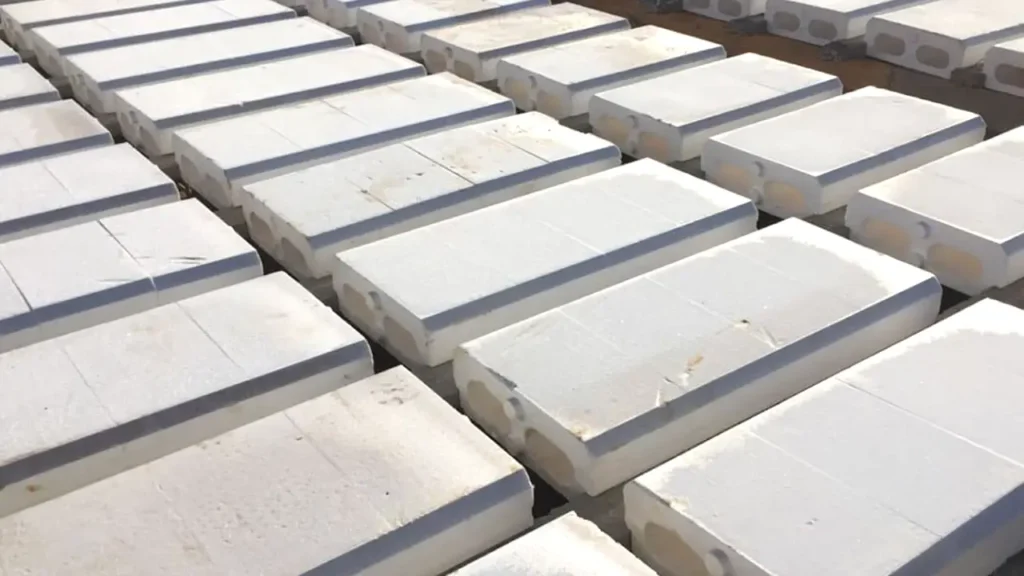
Expanded Polystyrene, commonly known as EPS, is a lightweight, rigid, and versatile material derived from polystyrene beads.
Through a process of expansion, these beads transform into a cellular structure, resulting in a material with excellent insulation properties and structural integrity.
Benefits of Expanded Polystyrene in Construction
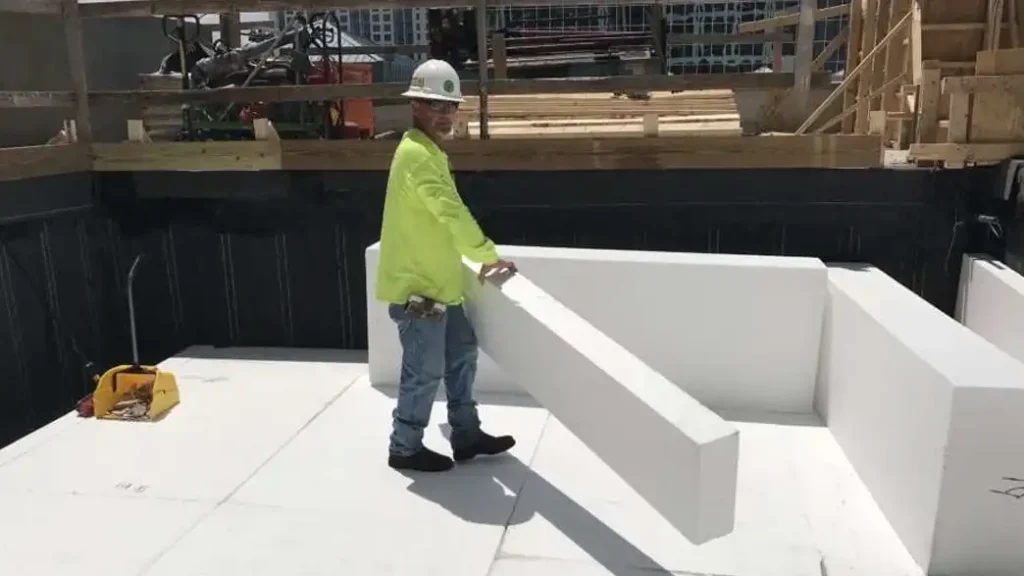
Expanded Polystyrene (EPS) offers a multitude of advantages that make it a preferred choice in construction projects:
Stable R-Value: EPS provides stable thermal performance over time, maintaining its insulation properties without significant degradation. This stable R-value ensures consistent energy efficiency and thermal comfort within buildings, even in fluctuating environmental conditions.
Dimensional Stability: EPS exhibits excellent dimensional stability, meaning it retains its shape and size under various loads and environmental factors. This property ensures structural integrity and minimizes the risk of deformation or warping, contributing to the longevity of construction components.
Compressive Resistance: Despite its lightweight nature, Expanded Polystyrene demonstrates impressive compressive resistance. It can support substantial loads without experiencing significant deformation, making it suitable for applications requiring structural support or load-bearing capacity.
Ease of Use: EPS is highly versatile and easy to work with, offering flexibility in design and installation processes. It can be easily cut, shaped, and manipulated to fit specific project requirements, facilitating efficient construction workflows and minimizing labor costs.
Lightweight: One of the most notable advantages of EPS is its lightweight nature, which simplifies handling, transportation, and installation processes. Its low weight-to-volume ratio reduces structural loads and foundation requirements, resulting in cost savings and enhanced construction efficiency.
Use of Expanded Polystyrene in Construction
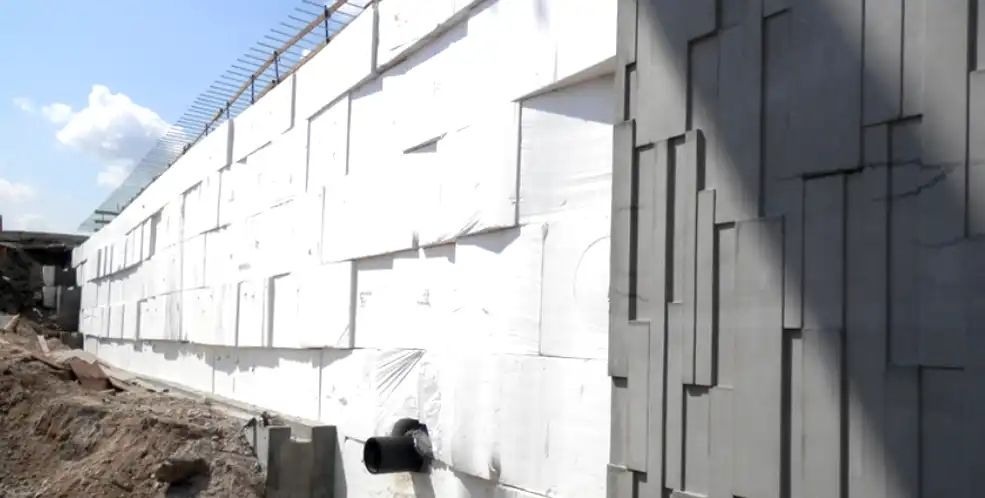
Expanded Polystyrene (EPS) is widely utilized in construction for its versatility, efficiency, and effectiveness across various applications:
Wall Insulation: EPS panels are commonly used as insulation material for exterior walls. They provide a continuous thermal barrier, reducing heat transfer and minimizing energy consumption for heating and cooling purposes. The lightweight nature of EPS simplifies installation processes while ensuring optimal thermal performance.
Roof Insulation: EPS insulation boards are commonly employed in roofing systems to enhance thermal protection and energy efficiency. By minimizing heat loss through the roof, EPS insulation contributes to reduced energy costs and improved occupant comfort. Its lightweight characteristics make it easy to handle and install, even in complex roofing configurations.
Foundation Systems: EPS geofoam serves as a lightweight fill material in foundation construction. It provides stability and reduces lateral pressures on retaining walls, contributing to the overall structural integrity of buildings. The high compressive strength of EPS ensures long-term stability, particularly in areas with varying soil conditions.
Void Fill and Structural Support: EPS blocks and shapes are used for void fill and structural support applications in construction. They offer lightweight yet robust solutions for filling voids, supporting concrete slabs, and creating architectural features. EPS’s versatility allows it to adapt to various design requirements, making it a preferred choice for builders and designers.
Decorative Elements: Expanded Polystyrene is also utilized for decorative purposes in construction. It can be molded into intricate shapes and designs, offering endless possibilities for architectural embellishments, cornices, and façade elements. The lightweight and durable nature of EPS make it suitable for both interior and exterior decorative applications.
How Does Expanded Polystyrene Contribute to Energy Efficiency in Buildings?
Expanded Polystyrene (EPS) plays a significant role in enhancing energy efficiency in buildings by providing excellent thermal insulation. Due to its lightweight and porous structure, EPS effectively reduces heat transfer, keeping buildings warmer in winter and cooler in summer. This insulation minimizes the need for heating and cooling, leading to energy savings, lower utility bills, and a reduced carbon footprint for the building.
Is Expanded Polystyrene Environmentally Friendly?
Expanded Polystyrene (EPS) has both positive and negative environmental aspects. On the one hand, it is lightweight, which reduces energy consumption during transportation and installation. EPS is also highly recyclable, and many recycling programs exist to repurpose it into new products. However, its production involves the use of petroleum-based raw materials, and it is not biodegradable, contributing to waste in landfills if not properly disposed of. Despite these concerns, efforts to improve EPS recycling and reduce its environmental impact are ongoing.
What Are the Primary Advantages of Using EPS in Construction?
The primary advantages of using Expanded Polystyrene (EPS) in construction include its excellent thermal insulation properties, which help improve energy efficiency in buildings. EPS is lightweight, making it easy to handle and install, while also reducing transportation costs. Additionally, it is moisture-resistant, durable, and can be molded into various shapes for customized applications. These qualities make EPS an ideal material for insulation, roofing, and other construction needs, contributing to long-term cost savings and sustainability.
Are There Any Regulatory Considerations When Using Expanded Polystyrene in Construction?
Yes, there are regulatory considerations when using Expanded Polystyrene (EPS) in construction.
Depending on the region, EPS must comply with building codes and fire safety regulations, as it is a flammable material. Fire retardants may be required to meet fire safety standards, and EPS products used in construction must often have certifications for thermal performance and environmental impact. Additionally, local regulations may govern its recycling, disposal, and the percentage of recycled content in EPS products. It is important to ensure that EPS meets these requirements to ensure safety, sustainability, and compliance with industry standards.
How Does EPS Contribute to the Overall Sustainability of Buildings?
EPS contributes to the overall sustainability of buildings by providing excellent thermal insulation, which reduces the need for heating and cooling, lowering energy consumption and carbon emissions over the building’s lifetime. Its lightweight nature also minimizes transportation costs and associated carbon footprints. Additionally, EPS is durable, long-lasting, and recyclable, helping to reduce waste in landfills. When used in construction, EPS helps create energy-efficient buildings, promoting environmental sustainability and reducing the overall environmental impact of the building throughout its lifespan.
Can Expanded Polystyrene Be Recycled?
Yes, Expanded Polystyrene (EPS) can be recycled, although it is often underutilized in recycling programs. EPS can be collected, processed, and reused to create new products such as packaging materials, insulation, or even molded items. However, the recycling process can be challenging due to the material’s lightweight and bulky nature, which makes transportation and handling costly. Despite these challenges, many facilities accept EPS for recycling, and initiatives to improve EPS recycling rates are ongoing, helping to reduce its environmental impact when properly managed.
Conclusion
In conclusion, Expanded Polystyrene offers a myriad of benefits for construction projects, ranging from enhanced insulation and structural strength to environmental sustainability. By leveraging the unique properties of EPS, builders, and designers can create resilient, energy-efficient buildings that meet the evolving needs of modern society.