
Styrofoam is widely used for food containers, cups, takeout boxes, and packaging because it is lightweight, affordable, and convenient. But when it comes to heating food, many people wonder whether these foam products can safely go into a microwave. The answer depends on the specific material, container design, and manufacturer’s instructions.
Microwaving the wrong type of foam container may cause it to soften, deform, or potentially release unwanted substances into food. Understanding how heat affects Styrofoam and recognizing microwave-safe labels can help you make a safer choice. In this guide, we’ll explain the key risks, safety considerations, and better alternatives for reheating food.
What Exactly is Styrofoam?
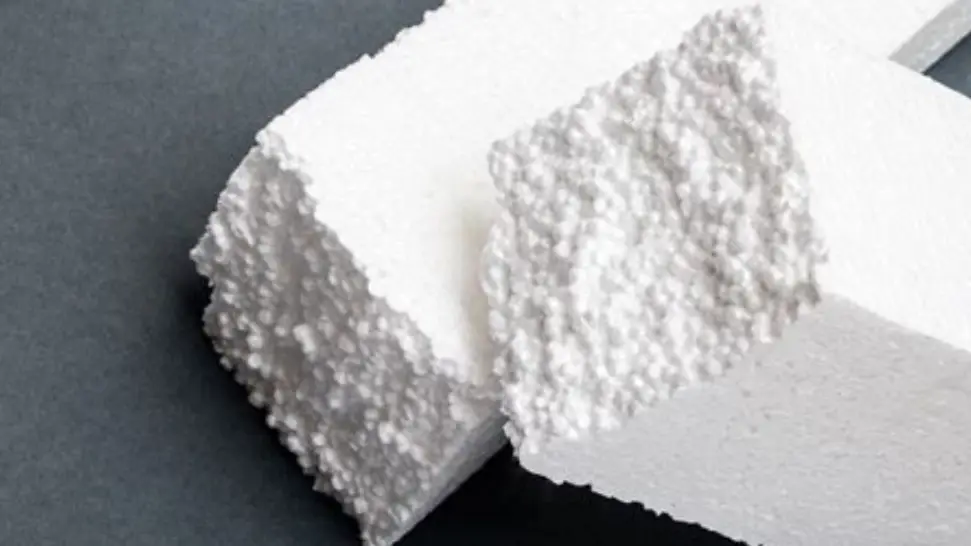
“Styrofoam” is a commonly used, though often misused, term that refers to expanded polystyrene (EPS) foam, a lightweight and rigid plastic material.
While “Styrofoam” is technically a trademarked brand name for extruded polystyrene (XPS) foam used primarily in building insulation (often recognized by its blue or pink color), the white, brittle foam used for disposable coffee cups, food containers, and packaging is typically expanded polystyrene.
Both EPS and XPS are derived from polystyrene, a synthetic polymer made from styrene monomers, which are themselves derived from petroleum. The foamed structure, which is mostly air, gives these materials their excellent insulating and cushioning properties.
Can You Microwave Styrofoam?
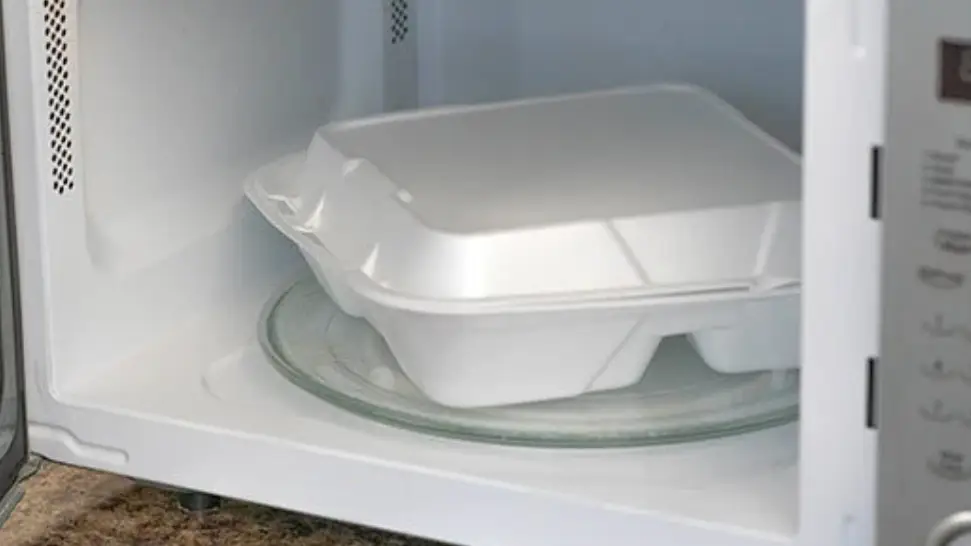
Generally, it is not recommended to microwave styrofoam unless it is explicitly labeled as “microwave-safe.”
The material commonly referred to as styrofoam (expanded polystyrene or EPS) is designed for insulation, keeping food hot or cold, but not for direct heat exposure in a microwave. When heated, particularly with high-fat foods, non-microwave-safe styrofoam can soften, melt, or deform.
The primary concern with microwaving unapproved styrofoam is the potential for chemicals, most notably styrene, to leach into your food. Styrene is a compound used in the manufacturing of polystyrene and has been identified as a possible human carcinogen by the Centers for Disease Control and Prevention (CDC) at high levels of exposure.
While the concentrations that may leach into food from a single microwaving incident are often small, repeated exposure over time raises concerns.
- Physical damage: Unsafe styrofoam can melt, warp, or crack, potentially spilling hot food and causing burns.
- Check for a “microwave-safe” label: This is the most crucial indicator. It typically looks like wavy lines or a microwave icon.
- Avoid unless labeled: If there’s no label, assume it’s not safe.
- Chemical leaching: Heating can cause styrene and other chemicals to migrate into your food.
Will Styrofoam Melt in the Microwave?
Styrofoam can melt, deform, or release unwanted chemicals when heated in a microwave, depending on its type, temperature, and exposure time. Some foam containers are labeled microwave-safe, while others are not.
Understanding how Styrofoam reacts to microwave heat helps us choose safer containers and avoid damage, odors, contamination, or potential food-safety concerns.
- Never microwave damaged foam: Cracked, melted, heavily scratched, or visibly damaged foam containers should not be microwaved. Damage can make the material less predictable during heating. If a container has already started deforming or producing an unusual smell, we should stop heating immediately and transfer the food to a suitable container.
- Styrofoam can melt or deform: Traditional Styrofoam, commonly made from expanded polystyrene (EPS), can soften, shrink, warp, or partially melt when exposed to high temperatures. Microwave heating can create hot spots that affect the foam unevenly. Even when the container looks intact, heat from hot food may still cause deformation or damage.
- Not all Styrofoam is microwave-safe: The term Styrofoam is often used broadly for foam packaging, but different products have different formulations and heat resistance. We should always check the container for a microwave-safe label or manufacturer instructions before heating food. If there is no clear guidance, using glass or ceramic is safer.
- Food temperature matters: Microwave ovens primarily heat food rather than directly heating the foam container. Foods containing lots of water can become very hot, while fatty or sugary foods may reach even higher temperatures. These localized temperatures can soften foam, especially when food touches the container for extended periods.
- Chemical concerns should be considered: Heating unsuitable polystyrene containers may increase the possibility of substances migrating from the material into food. The risk depends on the specific material, food type, temperature, and heating conditions. Because ordinary foam packaging is not necessarily designed for microwave use, we should avoid heating it unless specifically approved.
- Microwave-safe foam is different: Some foam food containers are specially manufactured and tested for microwave use. These products may tolerate microwave heating better than ordinary packaging foam. However, microwave-safe does not mean they can withstand unlimited temperatures or heating times, so following the manufacturer’s instructions remains important.
- Safer alternatives are available: For reheating food, we can transfer it from foam packaging into microwave-safe glass, ceramic, or appropriately labeled plastic containers. These materials are generally more suitable for repeated heating. Using a dedicated microwave-safe container also reduces the risk of melting, warping, unpleasant odors, and accidental contamination.
Why Microwaving Styrofoam is Generally Not Recommended
Microwaving styrofoam is generally not recommended due to a combination of physical and chemical concerns.
Microwaving Styrofoam is usually discouraged because it can release harmful chemicals and melt under high heat, potentially contaminating food. Styrofoam is made from polystyrene, which isn’t designed for intense microwave energy, making it unsafe for prolonged or repeated use with hot meals.
- Structural Weakness: Heat weakens the container, making it prone to cracking, spilling, or collapsing when holding hot liquids, leading to burns or accidents.
- Chemical Leaching: Styrofoam can release toxic substances like styrene when heated, which may seep into food and pose health risks, especially with fatty or oily foods.
- Melting and Deformation: Exposure to high microwave heat can warp or melt the Styrofoam container, creating messes and reducing its ability to safely hold food.
- Fire Hazard: Though rare, extremely high microwave temperatures can ignite thin Styrofoam, increasing fire risks in kitchens.
Potential Dangers and Health Risks of Microwaving Styrofoam
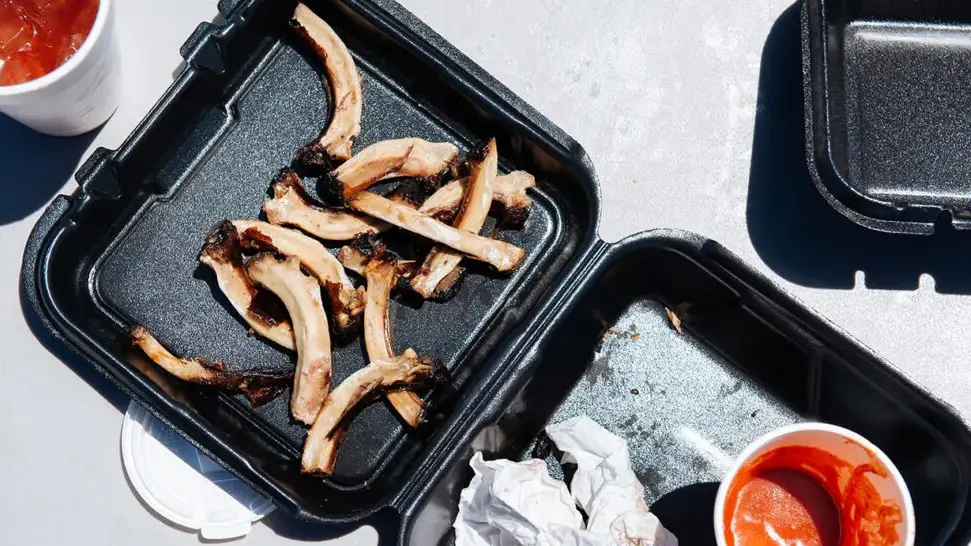
Microwaving Styrofoam can create potential safety concerns when the container is not specifically designed for microwave heating. High temperatures may cause certain foam materials to soften, warp, or degrade. Understanding these possible problems helps you choose suitable food containers and avoid unnecessary exposure to heat-related packaging risks.
- Burn and Spill Hazards: A softened or warped Styrofoam container may become difficult to handle, especially when filled with hot food or liquid. The container can bend unexpectedly, increasing the chance of spills and burns. Heat-resistant glass or ceramic containers are generally more reliable for reheating.
- Container Melting or Deformation: Some Styrofoam containers can soften, shrink, or lose their shape when exposed to high microwave temperatures. This may cause hot food or liquids to spill, creating burn hazards. Always check the container for microwave-safe labeling before heating food inside it.
- Chemical Migration: Heating certain foam products may increase the possibility of substances from the packaging migrating into food. The risk depends on the material, temperature, heating duration, and food type. Using containers specifically labeled for microwave use can help minimize unnecessary chemical exposure.
- Food Contamination: If a foam container becomes damaged, melted, or degraded during heating, small amounts of material could potentially come into contact with food. Although the level of risk varies by product, transferring food to a microwave-safe glass or ceramic container is a safer option.
- Uneven Heating: Microwaves can heat food unevenly, creating very hot areas that may place additional thermal stress on lightweight foam packaging. Foods with high fat or sugar content can become particularly hot. Reheating food in suitable microwave-safe cookware provides better heat resistance and stability.
How to Tell if Styrofoam is Microwave-Safe?
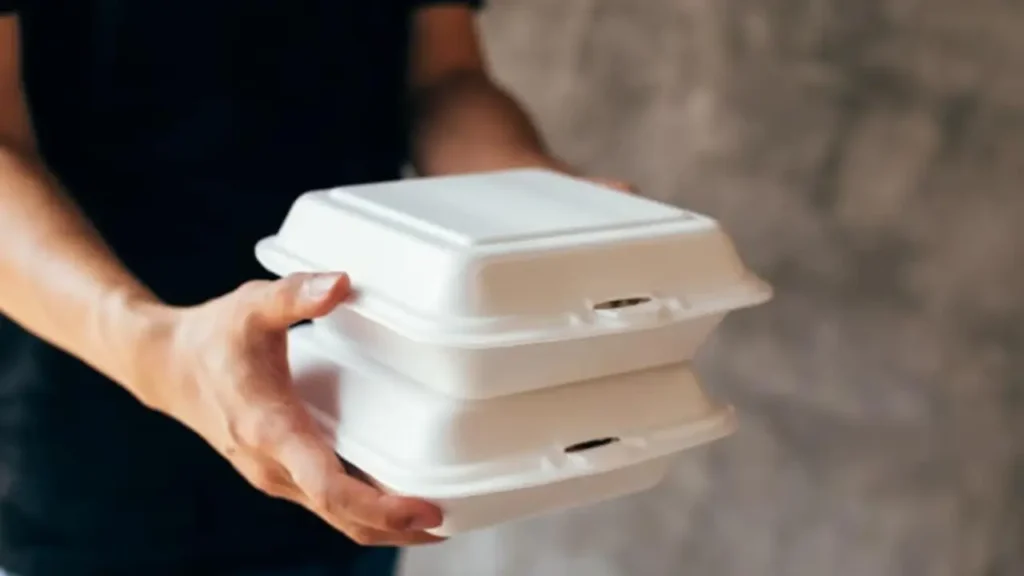
Determining whether a styrofoam container is microwave-safe is crucial for your health and safety. The best and most reliable way to check is to look for specific symbols or labels directly on the container.
Looking for the Microwave-Safe Symbol
The universal symbol for microwave-safe containers is typically a microwave icon with three wavy lines above or next to it, or simply wavy lines by themselves. These wavy lines are meant to represent microwave energy.
Sometimes, you might also see text that explicitly states “Microwave Safe” or “Safe for Microwave Use.” If you see any of these indicators, the manufacturer has designed and tested the product to withstand microwave heating, and the FDA generally considers them safe for that purpose.
Checking Manufacturer Guidelines
If there’s no visible symbol or text on the styrofoam container, it’s safest to assume it is not microwave-safe. Many single-use styrofoam containers, especially those used for takeout, are not designed for reheating and often lack these specific labels.
In such cases, it’s always best to transfer your food to a truly microwave-safe dish made of glass, ceramic, or a designated microwave-safe plastic (often marked with a recycling code #5, for polypropylene) before heating. When in doubt, err on the side of caution to avoid potential chemical leaching or container melting.
What About Specific Styrofoam Products?
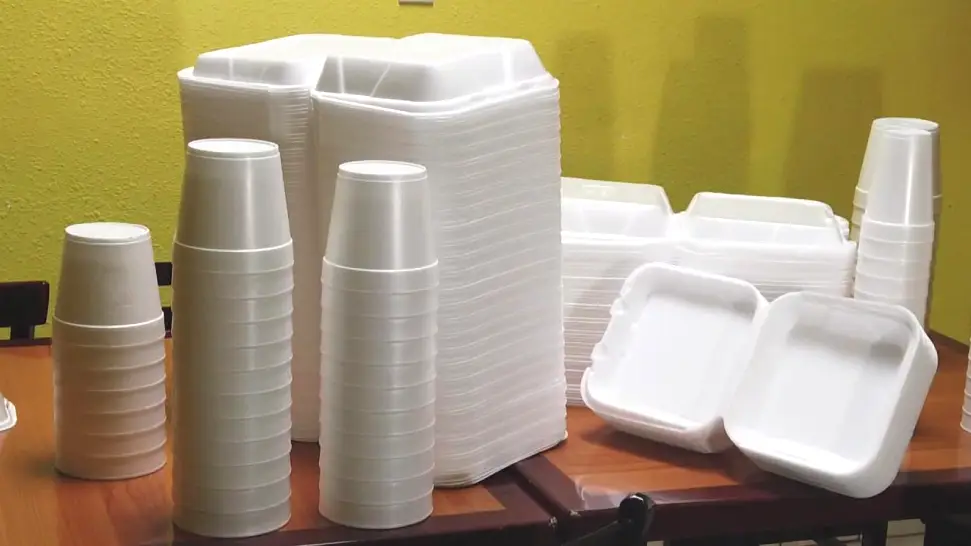
When it comes to microwaving styrofoam, not all products are created equal, and it’s essential to differentiate between them. The term “styrofoam” is often used generically, but the specific type of expanded polystyrene (EPS) can vary, as can its intended use. While the general rule is to avoid microwaving unless explicitly labeled, certain products are manufactured with microwave safety in mind.
Styrofoam Plates and Bowls
Many disposable “styrofoam” plates and bowls, commonly found at picnics or for casual dining, are not designed for microwave use. They are primarily made for serving food at room temperature or keeping it warm for a short period.
Heating them in a microwave can cause them to warp, melt, and potentially leach chemicals into your food. Always look for the microwave-safe symbol on the bottom or packaging if you intend to use them in the microwave.
Takeout Containers and To-Go Boxes
Takeout containers and “to-go” boxes, especially those from restaurants, are generally not microwave-safe. Their main purpose is to transport food, not to reheat it. Restaurants often use these because they are inexpensive and good insulators for keeping food warm during transit.
Attempting to microwave food in them can lead to melting, chemical leaching, and an unpleasant experience. A common recommendation, for example, is that Panda Express containers are not microwave-safe, and you should always transfer your food to a microwave-safe plate before reheating.
Styrofoam Cups (Coffee Cups, Ramen Cups)
Styrofoam cups, particularly those used for hot beverages like coffee or instant ramen, are designed to insulate against heat but are not meant for direct microwave heating. While they can hold hot liquids, the heat from a microwave is much more intense and can cause the cup to deform or release chemicals.
For instant ramen cups that come in styrofoam, it is generally advised to follow the instructions carefully, which often involve adding hot water but not microwaving the cup itself. Some brands like Dart do make specific cups labeled as microwave-safe, but this is the exception, not the rule.
- Coffee/Ramen Cups: Designed for insulation, not microwave heating; can deform and leach.
- General Rule: Assume all styrofoam is not microwave-safe unless explicitly labeled otherwise.
- Takeout Containers: Almost universally not safe for reheating. Transfer food to other dishes.
- Disposable Plates/Bowls: Often not microwave-safe; check for symbols.
What Happens If You Put Styrofoam in the Microwave?
Putting Styrofoam in the microwave can produce different results depending on the foam type, food temperature, and heating time. Some containers may remain relatively stable, while others can soften, warp, shrink, or melt.
Understanding these possible reactions helps us avoid damaged containers, unpleasant odors, food contamination, and unnecessary safety concerns during microwave heating.
- Use a Safer Alternative: If you are unsure whether a Styrofoam container is microwave-safe, transfer the food to a microwave-safe glass or ceramic dish before heating. This simple step reduces the chance of melting, deformation, odors, spills, and packaging-related concerns while providing a more reliable option for reheating.
- The Styrofoam May Soften: When exposed to high temperatures, ordinary Styrofoam can become softer and lose its original shape. Hot food, especially food containing significant amounts of fat or sugar, may create localized high temperatures. As a result, the container can become deformed, making it unsuitable for holding food safely.
- The Foam May Warp or Shrink: Styrofoam can shrink or change shape when heated beyond its temperature tolerance. In a microwave, heating may occur unevenly because different parts of the food reach different temperatures. This uneven heating can cause sections of the container to warp, collapse, or pull away from the food.
- It May Melt: If temperatures become sufficiently high, unsuitable Styrofoam can partially melt or break down. You may notice a glossy, misshapen, or collapsed area where the foam contacts very hot food. Melted material can stick to the food or microwave surface, creating an unpleasant cleanup problem.
- Unpleasant Odors May Develop: Heating unsuitable foam can sometimes produce an unusual plastic-like or chemical odor. This may indicate that the material is being exposed to temperatures beyond its intended use. If we notice a strange smell while microwaving foam, we should stop the microwave and remove the container carefully.
- Substances May Migrate Into Food: Heating food in unsuitable packaging can increase concerns about substances from the packaging migrating into food. The actual risk depends on the material, temperature, food composition, and heating conditions. Because ordinary foam packaging is not automatically designed for microwave use, it is better to avoid unnecessary exposure.
- The Container Could Become Unstable: A deformed Styrofoam container may become difficult to handle, particularly when filled with hot food or liquid. Warping can also cause spills when the container is removed from the microwave. Using a rigid microwave-safe container provides better stability and makes transferring hot food considerably easier.
How Long Can You Microwave Styrofoam?
Styrofoam is generally not recommended for microwave use unless the container is specifically labeled microwave-safe. There is no universal safe time for microwaving Styrofoam because different products have different materials and heat resistance. Even short heating periods can cause deformation, melting, or chemical migration, especially when food becomes very hot.
| Styrofoam Situation | Recommended Microwave Time | Safety Recommendation |
|---|---|---|
| Clearly labeled microwave-safe | 30–60 seconds at a time | Check and stir between intervals |
| No microwave-safe label | 0 minutes | Transfer food to a microwave-safe container |
| Long reheating, over 2–3 minutes | Not recommended | Use glass or ceramic instead |
| Very hot, oily, or sugary food | Avoid when possible | Use a microwave-safe glass or ceramic dish |
| Container becomes soft or deformed | Stop immediately | Do not continue heating |
| Unusual smell or visible melting | Stop immediately | Discard the damaged container and transfer food |
| Manufacturer provides specific instructions | Follow the stated limit | Do not exceed the recommended time |
Important: There isn’t a universal “safe number of minutes” for Styrofoam. The safest rule is to microwave it only when the manufacturer specifically states that the container is microwave-safe.
When in Doubt: If you cannot find a microwave-safe label or manufacturer instructions, do not microwave the Styrofoam. Instead, move the food into a microwave-safe container before heating. This eliminates uncertainty about the foam’s heat resistance and provides a more reliable option for reheating meals safely.
Microwave-Safe Styrofoam: If the manufacturer clearly labels the container as microwave-safe, follow its instructions and use short heating intervals. Heat the food gradually, check the container between intervals, and avoid overheating. This helps reduce the chance of warping, melting, or excessive heat buildup during microwave use.
Short Heating Periods: When a Styrofoam container is specifically approved for microwave use, heating for 30–60 seconds at a time is a cautious approach. Stir or check the food between intervals. Stop immediately if the container becomes unusually soft, distorted, excessively hot, or begins to smell unusual.
Avoid Long Heating: Do not microwave Styrofoam continuously for several minutes unless the manufacturer explicitly provides instructions allowing it. Extended heating can expose the container to higher temperatures and increase the risk of deformation or failure. Transfer food to a microwave-safe glass or ceramic dish for longer reheating whenever possible.
Hot or Fatty Foods: Foods containing large amounts of oil, fat, or sugar can become particularly hot during microwave heating. These temperatures may exceed what some foam containers can tolerate. Even if the food appears only moderately warm, the container can become damaged, so microwave-safe glass or ceramic is a safer choice.
Safer Alternatives to Microwaving Styrofoam
Given the concerns associated with microwaving styrofoam, it’s wise to opt for safer alternatives when reheating food. The best choices are materials that are specifically designed to withstand microwave temperatures without degrading or leaching chemicals.
- Silicone Dishes: Food-grade silicone is another flexible and durable option for microwave heating. Silicone bakeware and containers are designed to be heat-resistant and do not release harmful chemicals. They are also lightweight and often collapsible for easy storage.
- Glass Containers: Glass is an excellent, non-reactive material that is perfectly safe for microwave use. Glass containers, bowls, and plates will not leach chemicals into your food, can withstand high temperatures, and are easy to clean. They also often come with lids, making them convenient for storage and reheating.
- Ceramic Dishes: Similar to glass, ceramic plates, bowls, and mugs are ideal for microwave reheating. Ensure they are unchipped and uncracked, as damage can sometimes lead to uneven heating or breakage. Like glass, ceramic is non-reactive and won’t impart any unwanted substances into your meal.
- Microwave-Safe Plastic Containers: While not all plastics are created equal, many food storage containers are made from microwave-safe plastics, typically polypropylene (often marked with a recycling symbol #5). Always look for the “microwave-safe” symbol (wavy lines or a microwave icon) on these containers to confirm their suitability. These plastics are specifically engineered to remain stable under microwave heat.
Styrofoam Tips for Reheating Food Safely
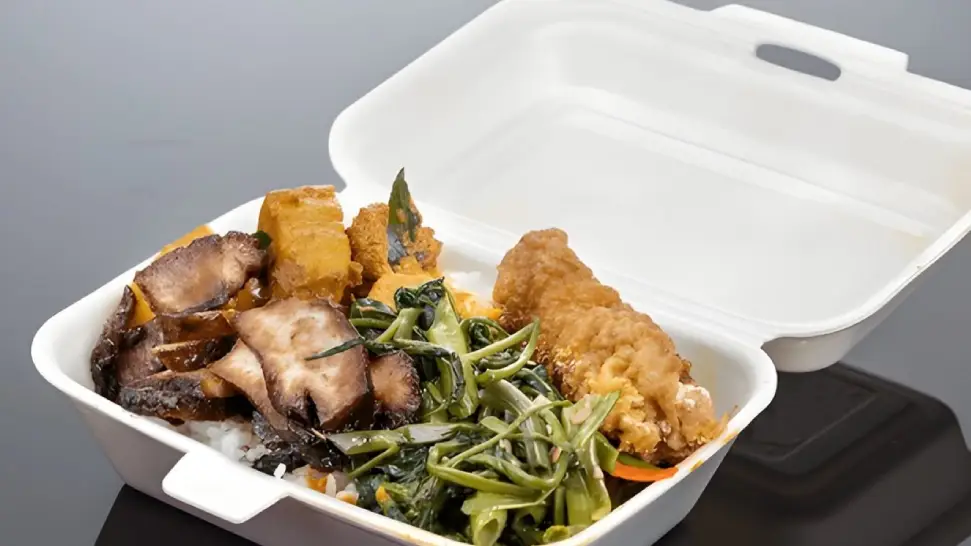
Given the widespread use of styrofoam in food packaging, it’s crucial to understand how to handle it safely, especially when reheating food. While general recommendations advise against microwaving unlabeled styrofoam, here are some tips to ensure safety:
Never Microwave Unlabeled Styrofoam
If your styrofoam container doesn’t have a “microwave-safe” symbol (wavy lines or a microwave icon), do not put it in the microwave. These containers are not designed to withstand microwave heat and can melt, deform, or leach harmful chemicals into your food, posing health risks.
Transfer Food to Microwave-Safe Dishes
The safest approach for reheating food that comes in a styrofoam container is to always transfer it to a designated microwave-safe dish made of glass, ceramic, or explicitly labeled microwave-safe plastic. This eliminates any risk of chemical leaching or container damage from microwaving the styrofoam.
Check for Microwave-Safe Label
Before placing any styrofoam in the microwave, diligently inspect the container for a clear “microwave-safe” label or symbol. Some manufacturers produce styrofoam products specifically designed for microwave use, and these will always be clearly marked to ensure consumer safety.
Be Aware of Hot Spots and Melting
Even with labeled microwave-safe styrofoam, monitor the container closely during heating. Microwaves can create uneven hot spots, and even approved styrofoam can soften or deform if overheated or if the food inside gets excessively hot. If you notice any changes in the container’s integrity, immediately stop heating.
Can You Heat Styrofoam in Microwave?
You can heat Styrofoam in a microwave only if the specific container is clearly labeled microwave-safe. Ordinary Styrofoam or expanded polystyrene (EPS) packaging may soften, warp, shrink, or potentially allow unwanted substances to migrate into food when exposed to high temperatures. For safer reheating, we recommend transferring food into a microwave-safe glass or ceramic container.
Are Styrofoam Plates Microwavable?
Some Styrofoam plates can be microwaved if they are specifically labeled microwave-safe, but ordinary foam plates should not be assumed to be suitable for microwave heating. High temperatures can cause them to soften, warp, or melt. For safer reheating, transfer food to a microwave-safe glass or ceramic plate whenever possible.
Conclusion
In conclusion, microwaving styrofoam carries inherent risks due to the potential for chemical leaching. Prioritize your health by avoiding this common practice, even if a container claims to be “microwave-safe.” Opt for glass, ceramic, or truly microwave-safe plastic containers instead.
Making informed choices about food storage and reheating is essential for a healthier lifestyle. A little caution goes a long way in preventing unwanted exposure to harmful substances.
For businesses seeking reliable and safe packaging solutions, consider wholesale styrofoam packaging from Epsole. We offer EPS foam products designed for various applications, ensuring both product protection and user safety.