
EVA foam is a versatile material widely used in footwear, sports equipment, packaging, automotive interiors, and many other industries. Its lightweight structure, flexibility, cushioning, and impact resistance make it a popular choice for manufacturers seeking reliable foam solutions. Understanding its properties and production methods helps businesses select the right material for their applications.
In this ultimate guide, we will explain what EVA foam is, how it is made, its key properties, major benefits, and common applications. We will also explore different EVA foam types and compare them with other foam materials, helping you make informed decisions when sourcing foam products for your manufacturing needs.
What is EVA Foam?
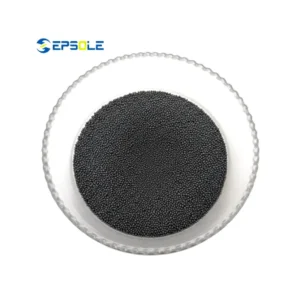
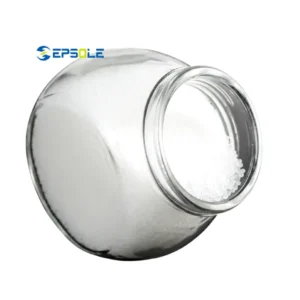
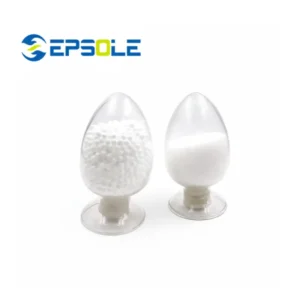
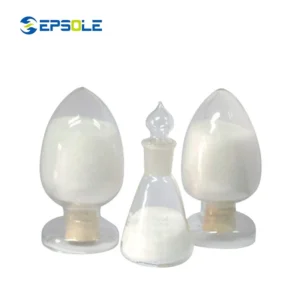
EVA foam, or ethylene-vinyl acetate foam, is a lightweight, flexible material made from ethylene and vinyl acetate copolymer. It offers excellent cushioning, shock absorption, water resistance, and durability. Its softness and versatility make it widely used in footwear, sports equipment, protective packaging, automotive interiors, toys, and industrial products.
EVA Foam Properties
EVA foam is widely used across various industries because of its combination of flexibility, cushioning, durability, and lightweight construction. Its physical and chemical properties can vary depending on the ethylene-vinyl acetate ratio, density, and manufacturing process.
Understanding these characteristics helps manufacturers select the right EVA foam for their specific product requirements.
- Lightweight Structure
- Flexibility and Elasticity
- Shock Absorption
- Water Resistance
- Durability and Wear Resistance
- Lightweight Structure: EVA foam contains a cellular structure that reduces its overall weight while maintaining useful cushioning and support. This property makes it suitable for products that require easy handling and portability, including footwear, sports equipment, protective packaging, and automotive components. Its low weight can also help reduce transportation costs.
- Flexibility and Elasticity: EVA foam offers excellent flexibility and elasticity, allowing it to bend, compress, and adapt to different shapes without easily cracking. These characteristics make it suitable for shoe soles, protective padding, exercise mats, and flexible molded components. Its hardness and flexibility can be adjusted to meet specific application requirements.
- Shock Absorption: EVA foam absorbs impacts by compressing under pressure and distributing energy across its cellular structure. This cushioning performance helps protect products and improve comfort in applications such as athletic footwear, sports pads, helmet liners, and packaging inserts. Foam density and thickness influence its ability to absorb repeated impacts effectively.
- Water Resistance: EVA foam has a closed-cell structure in many commercial formulations, which limits water absorption and helps maintain its performance in damp environments. This property makes it useful for swimming accessories, marine products, outdoor equipment, and protective packaging. However, water resistance varies with foam structure, formulation, and manufacturing quality.
- Durability and Wear Resistance: EVA foam provides good resistance to everyday wear, repeated compression, and physical handling, depending on its formulation and density. This makes it suitable for products that require long-lasting cushioning, including footwear, gym mats, and protective components. Proper material selection helps maintain its shape and performance during regular use.
What is EVA Foam Used for?
EVA foam is a versatile material used in many industries because of its lightweight structure, flexibility, cushioning, and shock absorption. Its different densities, hardness levels, and thicknesses allow manufacturers to customize foam products for specific applications.
From everyday consumer goods to industrial components, EVA foam provides practical solutions for comfort, protection, and durability.
Footwear and Shoe Soles
EVA foam is widely used in footwear manufacturing because it provides lightweight cushioning and flexibility. Manufacturers incorporate it into midsoles, insoles, and sandal soles to improve comfort and shock absorption. Its softness and elasticity help reduce pressure during walking, running, and other everyday activities.
Sports and Fitness Equipment
EVA foam is commonly used in yoga mats, gym flooring, protective pads, and sports equipment. Its cushioning properties help improve comfort during exercise and reduce the impact of physical contact. Different thicknesses and hardness levels allow manufacturers to meet various requirements for support, grip, and protection.
Protective Packaging
EVA foam is an effective packaging material for protecting delicate products during storage and transportation. Its shock-absorbing structure helps cushion electronics, tools, medical devices, and precision instruments against impacts and vibration. Custom-cut inserts can hold products securely in place, reducing movement and minimizing the risk of damage during shipping.
Automotive Interiors
EVA foam is used in automotive interiors for cushioning, sealing, insulation, and vibration reduction. Manufacturers may incorporate it into door panels, floor mats, headliners, and interior padding. Its lightweight structure helps support vehicle weight reduction while providing comfort and helping reduce unwanted noise and vibration.
Toys and Recreational Products
EVA foam is popular in children’s toys, puzzle mats, floating accessories, and recreational products because it is lightweight, flexible, and easy to mold. Its soft texture makes it suitable for many cushioning applications. Manufacturers can produce colorful shapes, textured surfaces, and customized designs for different consumer needs.
EVA vs EPS Foam
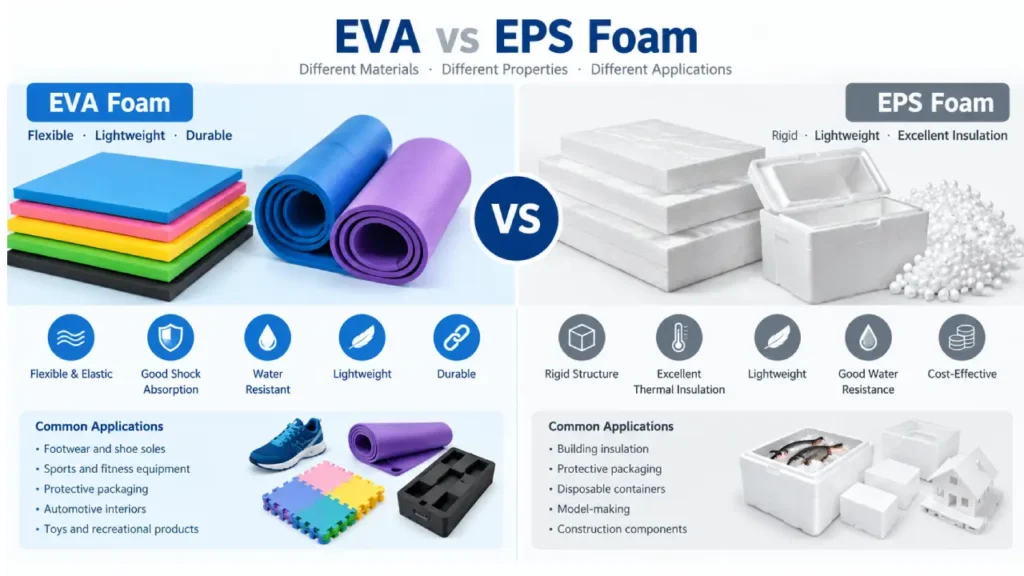
EVA foam and EPS foam are two widely used materials with different structures, properties, and applications. EVA (ethylene-vinyl acetate) foam is flexible and resilient, making it suitable for cushioning and impact protection. EPS (expanded polystyrene) foam is rigid, lightweight, and offers excellent thermal insulation, making it popular in packaging and construction. Understanding their differences helps manufacturers choose the right material.
1. Material Structure
EVA foam is made from ethylene-vinyl acetate copolymer and typically has a flexible cellular structure that provides elasticity and cushioning. EPS foam is produced by expanding polystyrene beads with steam, creating a rigid cellular structure containing trapped air. This structural difference determines their flexibility, insulation performance, and suitability for different applications.
2. Flexibility and Hardness
EVA foam is flexible, elastic, and available in different hardness levels to meet specific product requirements. It can compress under pressure and recover its original shape, making it ideal for footwear and protective padding. EPS foam is comparatively rigid and brittle, offering structural support but generally resisting bending less effectively than EVA foam.
3. Shock Absorption
EVA foam provides effective cushioning by compressing under impact and recovering its shape, making it suitable for shoe soles, sports mats, and protective equipment. EPS foam absorbs impact energy through the deformation and crushing of its cellular structure. This makes EPS useful for protective packaging and applications requiring energy absorption, although crushed areas may not fully recover.
4. Thermal Insulation
EPS foam provides excellent thermal insulation because its cellular structure traps air and reduces heat transfer. It is widely used in building insulation, insulated packaging, and temperature-sensitive product transportation. EVA foam can also provide some thermal insulation, but it is generally selected for cushioning, flexibility, and comfort rather than applications requiring high-performance building insulation.
5. Water Resistance
EVA foam generally offers good water resistance, particularly when manufactured with a closed-cell structure, making it suitable for footwear, marine accessories, and outdoor products. EPS foam also resists water absorption to some extent, but moisture can enter through damaged surfaces, gaps, or bead interfaces. The actual performance of both materials depends on their formulation and construction.
6. Weight and Density
Both EVA and EPS foam are lightweight materials, but their densities vary according to formulation and intended use. EVA foam is available in different densities to balance softness, durability, and cushioning. EPS foam typically offers a high strength-to-weight ratio and low material weight, making it particularly useful for insulation, packaging, and lightweight construction components.
7. Common Applications
EVA foam is commonly used in footwear, sports equipment, yoga mats, toys, automotive padding, and protective inserts because of its flexibility and cushioning. EPS foam is widely used in building insulation, protective packaging, disposable protective containers, model-making, and construction components. Manufacturers should select the material according to the product’s mechanical, thermal, and environmental requirements.
8. Cost and Manufacturing
EPS foam is often an economical option for producing lightweight packaging and insulation products, particularly when large quantities are required. EVA foam may cost more depending on its density, formulation, and processing requirements, but it provides flexibility and resilience for specialized products. Actual costs depend on material specifications, production volume, customization, and supplier capabilities.
Here is the table showing you the differences between EVA and EPS foam:
| Aspect | EVA Foam | EPS Foam |
|---|---|---|
| Full name | Ethylene-vinyl acetate foam | Expanded polystyrene foam |
| Structure | Flexible cellular structure | Rigid expanded bead structure |
| Flexibility | High | Low |
| Shock absorption | Cushions and recovers after compression | Absorbs energy through cellular deformation |
| Thermal insulation | Moderate, depending on formulation | Excellent |
| Water resistance | Generally good, especially closed-cell types | Generally good, but construction and surface condition matter |
| Durability | Good flexibility and repeated-compression performance | Can crack or crush under certain loads |
| Weight | Lightweight | Very lightweight |
| Typical applications | Footwear, sports products, padding, and flexible inserts | Packaging, building insulation, and protective containers |
| Main advantage | Flexibility, resilience, and comfort | Thermal insulation and cost-effective lightweight protection |
| Main limitation | May cost more for certain specifications | Rigid and susceptible to cracking or permanent crushing |
Conclusion
EVA foam is a practical material known for its lightweight construction, flexibility, shock absorption, and durability. These properties make it suitable for a wide range of applications, from footwear and protective packaging to sports equipment and automotive components. Understanding its characteristics and limitations helps manufacturers determine whether EVA foam meets their specific performance and production requirements.
Choosing the right EVA foam involves considering factors such as density, hardness, thickness, elasticity, and intended use. Different applications require different material specifications, so evaluating these factors before purchasing can help improve product performance and control manufacturing costs. Comparing EVA foam with alternatives such as EPS and EPP foam can also help you identify the most suitable solution for your project.
If you are looking for reliable foam materials for industrial or commercial applications, Epsole can help you explore suitable options for your needs. Contact our team to discuss your requirements, product specifications, and sourcing plans. You can also get wholesale EPS foam from our Epsole team and find foam solutions that align with your application, quality expectations, and budget.