
EPS machines play an important role in many industries, from packaging and construction to agriculture and consumer goods. These machines process expanded polystyrene (EPS) into different shapes, sizes, and products. Whether you manufacture protective packaging or building materials, choosing the right EPS equipment can improve production efficiency and product quality.
But how exactly are EPS machines used across different industries? Different applications require different machines, production processes, and technical configurations. In this guide, we will explore the major EPS machine applications, explain how they support various industries, and help you understand which equipment suits your production needs.
What is EPS Machine?
An EPS machine is industrial equipment designed to process Expanded Polystyrene (EPS) foam into different products. It uses steam, pressure, heat, and specialized molds to expand, shape, mold, or cut EPS materials. Manufacturers use these machines to produce foam packaging, insulation boards, construction materials, and other lightweight products for various industrial applications.
-
 Stainless Steel Connector for EPS Machine
-
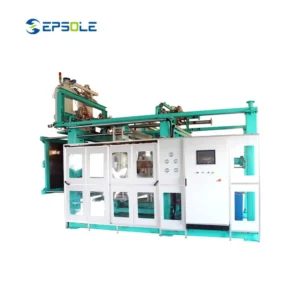 Energy-Saving EPS Shape Moulding Machine
-
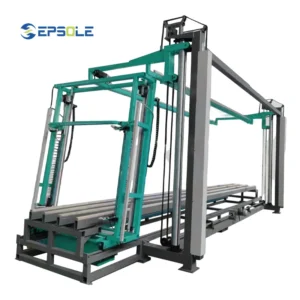 EPS Cutting Machine With Automatic Wire Adjustment
-
 Seals For Eps Machine
-
 Aluminum Connector for EPS Machine
-
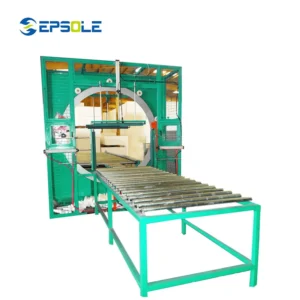 EPS Packing Machine
-
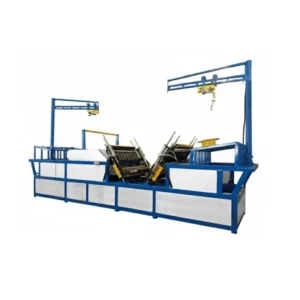 3D EPS Panel Machine
-
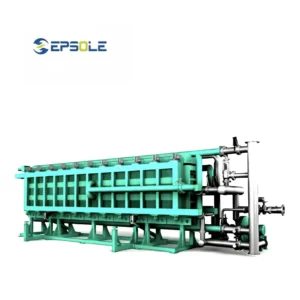 EPS Air Cooling Block Molding Machine
-
 EPS Continuous Cutting Machine
-
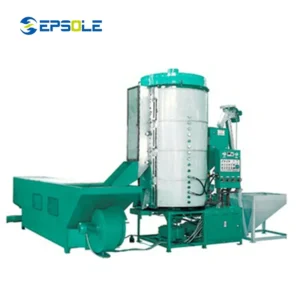 EPS Continuous Pre-expander Machine
-
 EPS Batch Pre-expander Machine
-
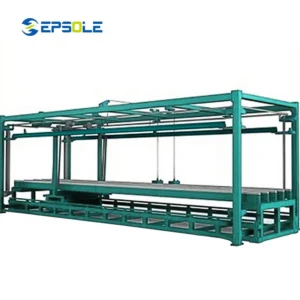 EPS Foam Block Cutting Machine
-
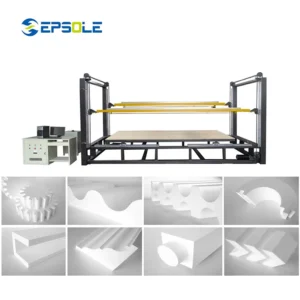 CNC Cutting Machine
EPS machines support different production stages, from raw material processing to finished product manufacturing. Depending on the required products and production capacity, manufacturers can choose from several types of EPS equipment.
- EPS Pre-Expander Machine: An EPS pre-expander machine uses steam to expand raw polystyrene beads to the required density. It prepares the foam material for subsequent molding processes and helps manufacturers achieve consistent bead expansion for different industrial applications.
- EPS Shape Molding Machine: An EPS shape molding machine transforms pre-expanded EPS beads into customized shapes using steam, molds, and pressure. It is widely used to manufacture protective packaging, foam inserts, decorative products, and customized industrial components.
- EPS Block Molding Machine: An EPS block molding machine produces large foam blocks by expanding and fusing EPS beads inside a mold. These blocks are commonly used for insulation boards, construction materials, and other foam products requiring further cutting or processing.
- EPS Cutting Machine: An EPS cutting machine uses hot wires or other cutting systems to transform large foam blocks into specific shapes and dimensions. Manufacturers use it to produce insulation panels, decorative components, and customized construction products.
- EPS Recycling Machine: An EPS recycling machine processes waste foam materials for reuse. Depending on the equipment configuration, it can crush, compact, or densify EPS waste, helping manufacturers reduce material waste and improve resource utilization.
- EPS Vacuum Forming Machine: An EPS vacuum forming machine uses vacuum technology and specialized molds to support foam product forming processes. It is used in certain customized packaging and industrial foam applications where specific product shapes are required.
EPS Machine Applications
EPS machines are widely used across different industries because expanded polystyrene (EPS) is lightweight, durable, and offers excellent thermal insulation and cushioning properties. From protective packaging and food containers to construction materials, EPS equipment helps manufacturers turn raw polystyrene beads into practical products for various commercial and industrial applications.
Different industries require different EPS products, production processes, and machine configurations. With suitable equipment, manufacturers can produce customized foam shapes, insulation panels, packaging components, and building materials. Below are 10 major EPS machine applications, ranging from everyday packaging to large-scale construction projects.
1. Protective Packaging Industry
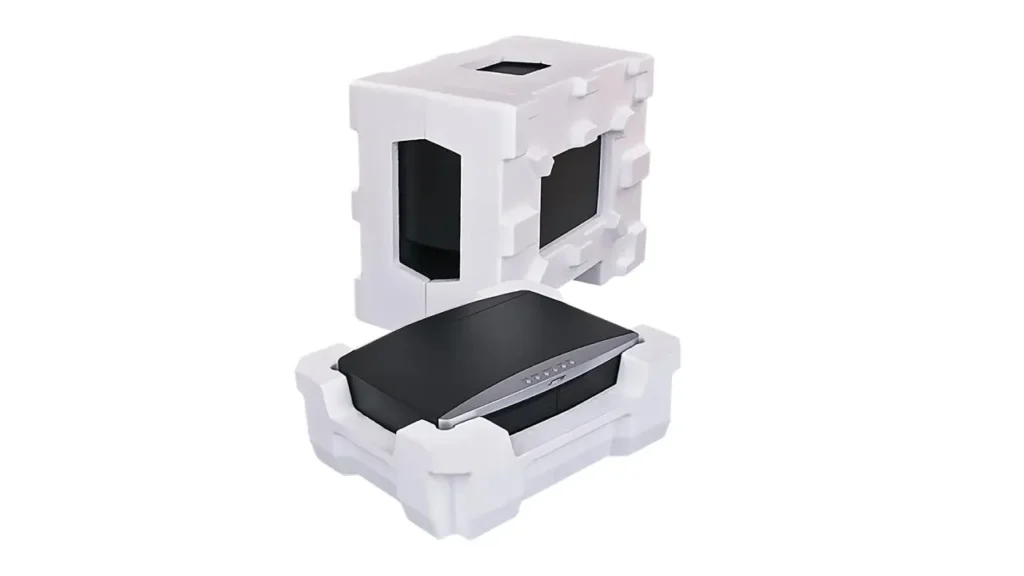
EPS machines are widely used to manufacture protective packaging for electronic products, household appliances, and industrial equipment. Shape molding machines produce customized foam inserts that fit different product dimensions, helping prevent damage caused by impact, vibration, and transportation.
Manufacturers can adjust mold designs to create packaging for televisions, refrigerators, computers, and other fragile products. EPS foam provides lightweight cushioning while reducing transportation weight, making it a practical packaging solution for manufacturers and logistics companies.
2. Food Packaging Industry
EPS machines produce food packaging products such as foam trays, takeaway containers, and protective boxes. These products are lightweight and provide thermal insulation, making them suitable for certain food storage, transportation, and distribution applications.
Using specialized molding equipment, manufacturers can produce different container shapes and sizes to meet customer requirements. EPS packaging is used in various food supply chains, although local food-contact regulations and environmental restrictions must be considered when selecting materials and applications.
3. Cold Chain Transportation Industry

Temperature-sensitive products require reliable insulation during transportation. EPS machines manufacture EPS insulated boxes used for shipping seafood, meat, fresh produce, pharmaceuticals, and other temperature-sensitive goods. The closed-cell structure of EPS foam helps reduce heat transfer during storage and transportation.
Manufacturers can customize box dimensions, wall thicknesses, and internal compartments according to different transportation requirements. These insulated containers help maintain more stable temperatures when used with suitable refrigerants and appropriate cold chain management practices.
4. Building Insulation Industry
The construction industry uses EPS machines to manufacture insulation boards for residential, commercial, and industrial buildings. EPS boards are commonly installed in external wall insulation systems, roofs, and floors to help reduce heat transfer and improve building energy efficiency.
EPS block molding and cutting machines work together to produce foam blocks and convert them into insulation panels with different thicknesses and dimensions. Manufacturers can adjust production specifications to meet different building insulation requirements and regional construction standards.
5. ICF Construction Industry

Insulated Concrete Forms (ICF) are an important application of EPS machinery in modern construction. EPS shape molding machines produce interlocking foam blocks or panels that serve as permanent formwork for concrete walls, combining insulation and structural construction functions.
Manufacturers can customize ICF molds to produce different block dimensions, connection systems, and wall thicknesses. These EPS components remain in place after concrete pouring, helping create insulated building walls for residential, commercial, and industrial construction projects.
6. Road and Civil Engineering Industry
EPS geofoam is used in civil engineering projects where lightweight fill materials are needed. EPS machines produce large foam blocks that can be installed beneath roads, bridges, embankments, and other infrastructure structures to reduce the load on underlying soil.
Block molding machines and cutting equipment help manufacturers produce geofoam blocks in customized sizes and densities. Compared with conventional soil fills, EPS geofoam offers significantly lower weight, making it useful for projects involving soft ground and settlement-sensitive areas.
7. Agriculture and Horticulture Industry
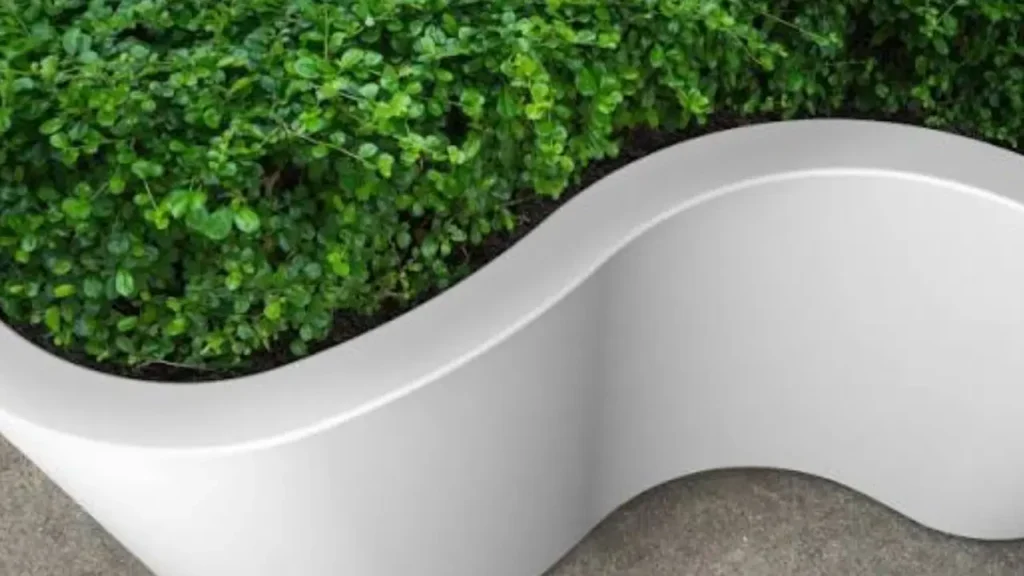
EPS machines also support agricultural and horticultural production by manufacturing seedling trays, hydroponic growing components, and protective containers. EPS products are lightweight and can be molded into different shapes to support plant propagation and growing systems.
EPS foam manufacturers can use shape molding machines to produce customized trays and floating components for agricultural applications. These products help organize seedlings, support growing operations, and provide convenient handling solutions for commercial farms and horticultural businesses.
8. Decorative and Architectural Industry
EPS foam is commonly used to manufacture decorative architectural components, including cornices, ceiling moldings, wall decorations, columns, and ornamental details. Its lightweight properties make these decorative elements easier to transport, handle, and install than many traditional materials.
EPS cutting machines equipped with hot-wire systems can produce complex profiles and customized decorative shapes. Manufacturers can adjust cutting patterns and dimensions to create different architectural designs for residential buildings, commercial spaces, and interior decoration projects.
9. Automotive Industry
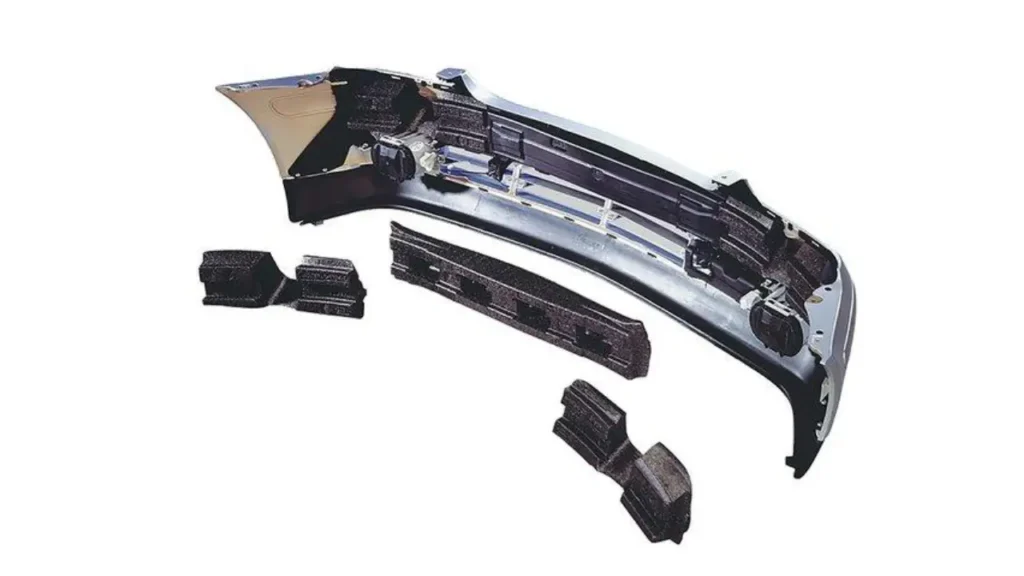
EPS machines are used to manufacture certain automotive foam components and protective packaging materials. Molded EPS products can be found in selected vehicle interior applications, energy-absorbing components, and protective inserts used during automotive parts transportation.
Specialized shape molding machines allow manufacturers to produce components with specific dimensions and densities. Depending on the application, EPS foam can help reduce component weight, provide cushioning, and protect automotive parts during manufacturing, storage, and distribution.
10. Furniture and Home Appliance Industry
The furniture and home appliance industries rely on EPS machines to produce protective foam packaging for products such as sofas, tables, washing machines, air conditioners, and refrigerators. Custom-molded EPS components help protect corners, edges, and delicate surfaces during transportation.
Manufacturers can use EPS shape molding machines to create packaging inserts that match individual product designs. These customized foam components help reduce transportation damage, simplify product packing, and provide reliable protection throughout warehousing and distribution processes.
Conclusion
EPS machines serve a wide range of industries, including packaging, construction, agriculture, and consumer products. From protective foam packaging to insulation boards and ICF building blocks, EPS equipment helps manufacturers produce lightweight, durable, and versatile foam products for different market demands.
Choosing the right EPS machine depends on your product type, production capacity, material requirements, and factory conditions. Understanding your application before purchasing equipment can help you avoid unnecessary costs, improve manufacturing efficiency, and achieve more consistent product quality.
At Epsole, we provide comprehensive EPS machine solutions for different industrial applications. Whether you need EPS pre-expander machines, shape molding machines, block molding machines, or cutting equipment, we can help you find the right configuration. Contact Epsole today to get wholesale EPS machines and customized production solutions for your business.