
EPS machine maintenance is essential for keeping your production line running efficiently and consistently. Regular inspections, proper cleaning, and timely repairs help prevent unexpected downtime, reduce operating costs, and extend equipment life. Whether you operate an EPS pre-expander, molding machine, or cutting machine, a suitable maintenance routine supports stable production.
However, neglecting maintenance can lead to equipment failures, inconsistent product quality, and costly production delays. Understanding common maintenance tasks and potential problems helps you keep your EPS machines in good working condition. In this guide, we will share practical EPS machine maintenance tips to improve performance, safety, and long-term reliability.
What are EPS Machines?
-
 Stainless Steel Connector for EPS Machine
 -
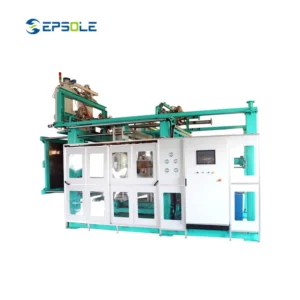 Energy-Saving EPS Shape Moulding Machine
 -
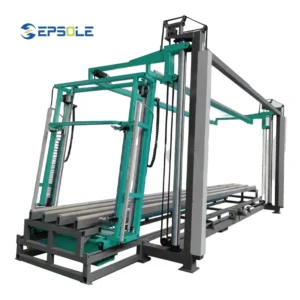 EPS Cutting Machine With Automatic Wire Adjustment
 -
 Aluminum Connector for EPS Machine
 -
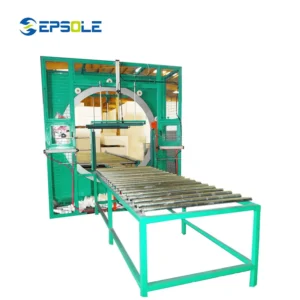 EPS Packing Machine
 -
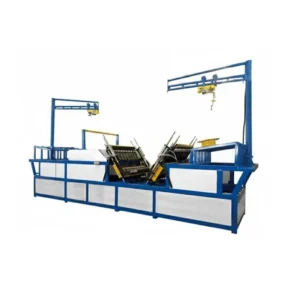 3D EPS Panel Machine
 -
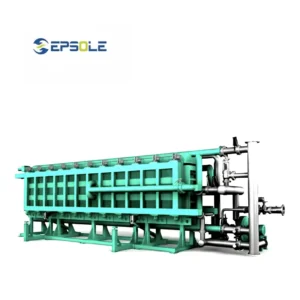 EPS Air Cooling Block Molding Machine
 -
-300x300.webp) EPS Continuous Cutting Machine
EPS Continuous Cutting Machine -
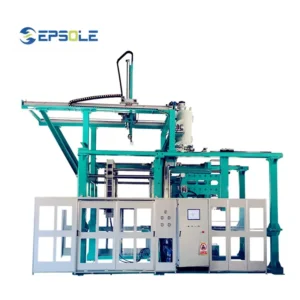 Single Minute Exchange of Die moulding machine
 -
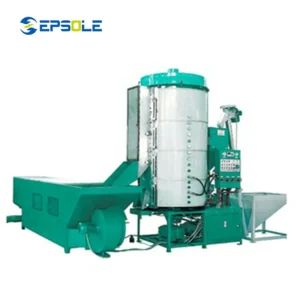 EPS Continuous Pre-expander Machine
 -
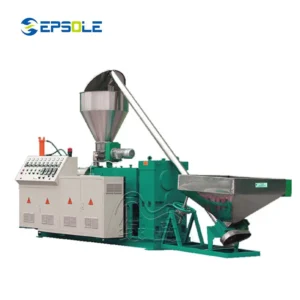 EPS Pelletizer Machine
 -
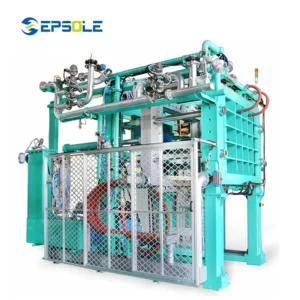 EPP Shape Machine
 -
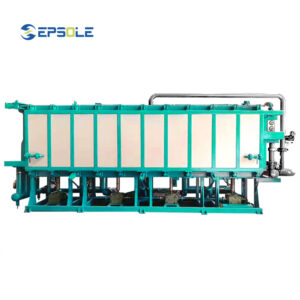 Vacuum EPS Block Molding Machine
 -
 EPS Batch Pre-expander Machine
 -
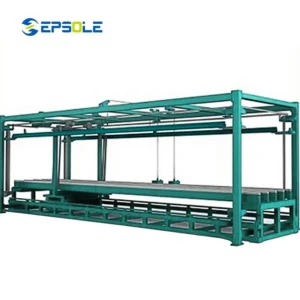 EPS Foam Block Cutting Machine
 -
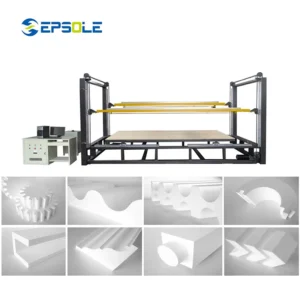 CNC Cutting Machine
EPS machines are specialized equipment used to process expanded polystyrene (EPS) foam into lightweight, durable products for various industries. These machines handle different production stages, including pre-expansion, molding, cutting, and recycling. By controlling steam, temperature, pressure, and processing time, manufacturers can produce EPS products with consistent shapes, densities, and insulation properties.
Common uses of EPS machines include:
- – Packaging production: EPS molding machines produce protective packaging inserts, electronic product cushioning, appliance packaging, and custom-shaped foam components. Their ability to create precise shapes helps manufacturers protect fragile goods during storage, handling, and transportation while reducing packaging weight.
- – Construction and insulation: EPS block molding machines and cutting machines manufacture insulation boards, wall panels, and other building materials. These products provide thermal insulation, lightweight construction solutions, and dimensional flexibility for residential, commercial, and industrial building projects.
- – Fish boxes and food packaging: EPS shape molding machines produce insulated fish boxes, seafood containers, and food transport packaging. Their lightweight structure and thermal insulation properties help maintain product temperatures during storage and transportation, making them suitable for cold-chain logistics.
- – Surfboard manufacturing: EPS block molding and cutting equipment produces foam blanks for surfboards and other recreational products. Manufacturers can cut and shape the foam into specific dimensions, creating lightweight cores that provide buoyancy and support for further board construction.
- – Decorative and architectural products: EPS cutting machines shape foam into decorative moldings, cornices, columns, and architectural details. CNC cutting equipment can create customized profiles and complex designs, helping manufacturers produce consistent components for interior decoration, exterior finishes, and specialized construction projects.
- – Recycling and material reuse: EPS recycling machines crush, compact, or densify waste foam for easier handling and transportation. These systems help manufacturers reduce waste volume, recover usable material, and improve resource efficiency in production facilities that generate substantial EPS scrap.
EPS Machine Maintenance
EPS machine maintenance is essential for maintaining stable production, improving equipment performance, and extending machine service life. Regular inspections, cleaning, lubrication, and component checks help prevent unexpected breakdowns and reduce repair costs. Whether you operate an EPS pre-expander, molding machine, or cutting machine, a consistent maintenance schedule keeps your production line running efficiently.
To achieve reliable results, manufacturers should follow equipment manuals and establish preventive maintenance procedures. Operators should also monitor machine performance, identify unusual changes, and address minor problems before they develop into major failures. Here are six essential EPS machine maintenance practices to help maintain production efficiency and equipment reliability.
– 1. Clean the Machine Regularly
Regular cleaning prevents EPS beads, foam scraps, dust, and other residues from accumulating on machine surfaces and moving components. We recommend cleaning accessible areas according to the manufacturer’s instructions and production schedule. Keeping equipment clean helps maintain smooth operation, reduces contamination risks, and makes potential mechanical problems easier to identify.
– 2. Inspect Electrical Components
Electrical systems are essential for controlling EPS machine operations, including heating, temperature regulation, and automated production cycles. Operators should check accessible cables, connectors, sensors, and control panels for visible damage or abnormal conditions. Qualified technicians should handle electrical inspections, repairs, and component replacement to maintain workplace safety.
– 3. Check Steam and Pneumatic Systems
Many EPS machines rely on steam and compressed air to expand beads, shape foam products, or operate pneumatic components. Regularly inspect pipes, valves, hoses, pressure gauges, and connections for leaks or damage. Addressing these issues promptly helps maintain stable operating conditions, reduce energy waste, and support consistent product quality.
– 4. Lubricate Moving Parts
Bearings, guide rails, chains, and other moving components may require lubrication to reduce friction and prevent premature wear. Follow the equipment manufacturer’s recommendations for lubricant types, application points, and service intervals. Proper lubrication supports smooth movement, reduces mechanical stress, and helps extend the service life of critical machine components.
– 5. Inspect Worn Components
Machine components can gradually wear out through repeated operation, heat exposure, pressure changes, and mechanical movement. Check seals, gaskets, valves, cutting wires, and other relevant parts for visible wear or damage. Replacing defective components at the appropriate time helps prevent unexpected breakdowns and keeps production processes operating reliably.
– 6. Maintain Temperature and Pressure Settings
EPS production depends on suitable temperature, steam pressure, and processing time for each application. Regularly verify sensor readings, control settings, and pressure indicators against the manufacturer’s specifications. Proper monitoring helps prevent inconsistent foam density, molding defects, and unnecessary energy consumption while supporting repeatable production results across different batches.
Conclusion
Proper EPS machine maintenance helps manufacturers maintain stable production, minimize unexpected downtime, and extend equipment service life. By following regular inspection schedules, cleaning machine components, checking electrical systems, and addressing minor issues promptly, you can improve operational efficiency and reduce unnecessary repair expenses. Consistent maintenance also supports reliable product quality and safer working conditions.
Developing a preventive maintenance plan is more effective than waiting for equipment failures to occur. Train operators to recognize unusual noises, temperature changes, steam leaks, and other warning signs. Keep maintenance records, follow manufacturer recommendations, and replace worn components when necessary. These simple practices help your team maintain reliable EPS production while managing daily operating costs.
If you are planning to upgrade your production line or expand your manufacturing capacity, choosing reliable equipment is equally important. At Epsole, we provide EPS machinery solutions for different production requirements, helping manufacturers find suitable equipment for their applications. Get wholesale EPS machines from Epsole to explore equipment options for your factory and build a more efficient EPS production process.