
EPS, or expanded polystyrene, is the lightweight foam found inside most protective helmets. It absorbs impact energy and keeps riders and workers safer during a fall or collision. Understanding how EPS helmets are made helps buyers judge quality before placing an order.
This guide walks through the full EPS helmet manufacturing process, from raw bead preparation to final packaging. We also cover the tools involved and the quality checks that separate reliable helmets from weak ones. By the end, you will know exactly what happens on the factory floor.
What Is EPS Foam?
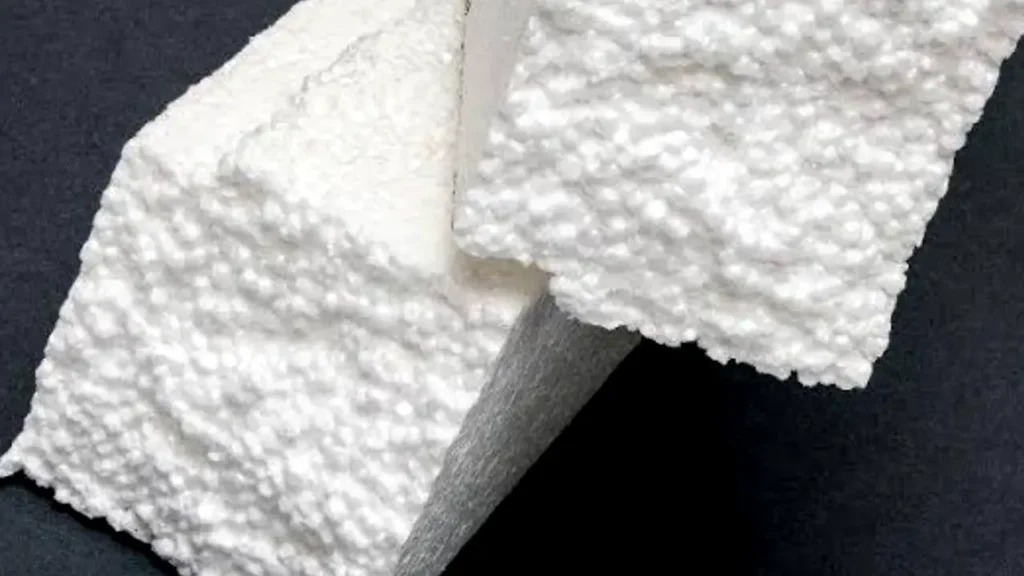
EPS is a rigid, closed-cell foam made from small polystyrene beads. When heated, these EPS foam beads expand and fuse together, forming a lightweight but shock-absorbing material. Its cellular structure crushes gradually under impact, spreading force over a wider area instead of transferring it directly to the head.
Why Manufacturers Use EPS for Helmets?
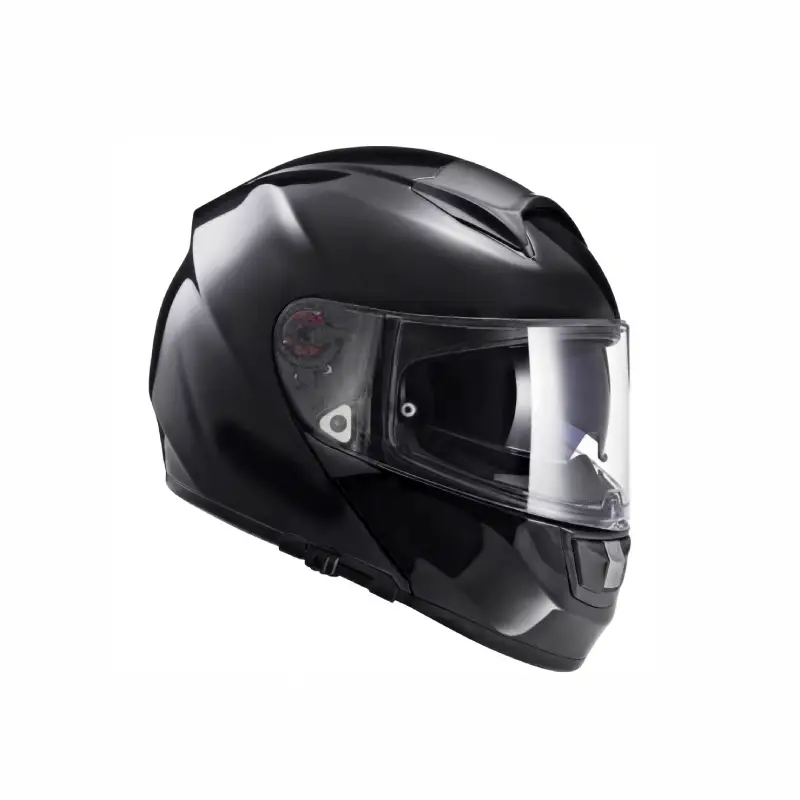
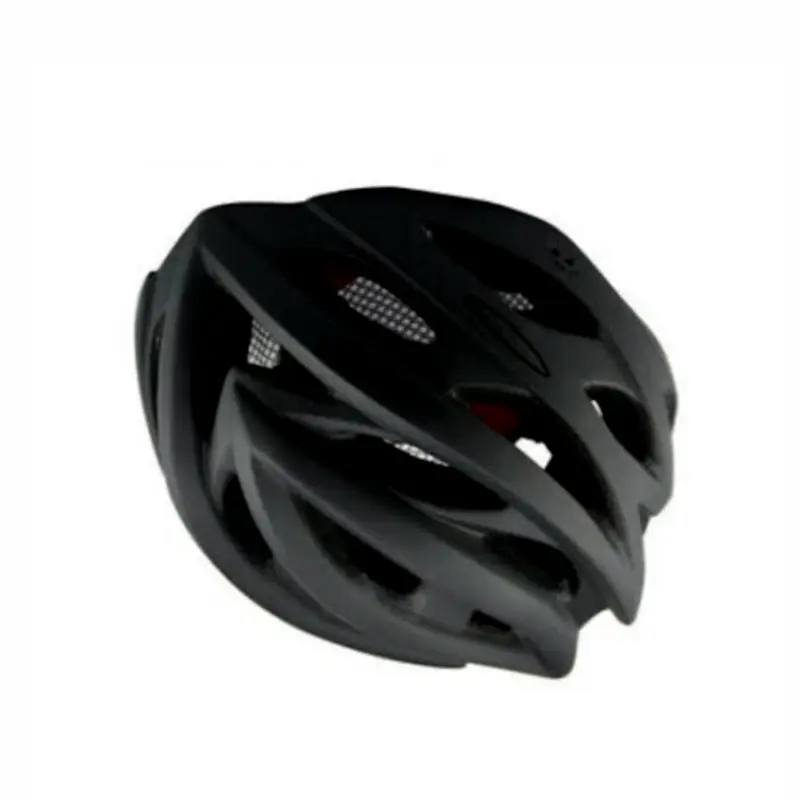
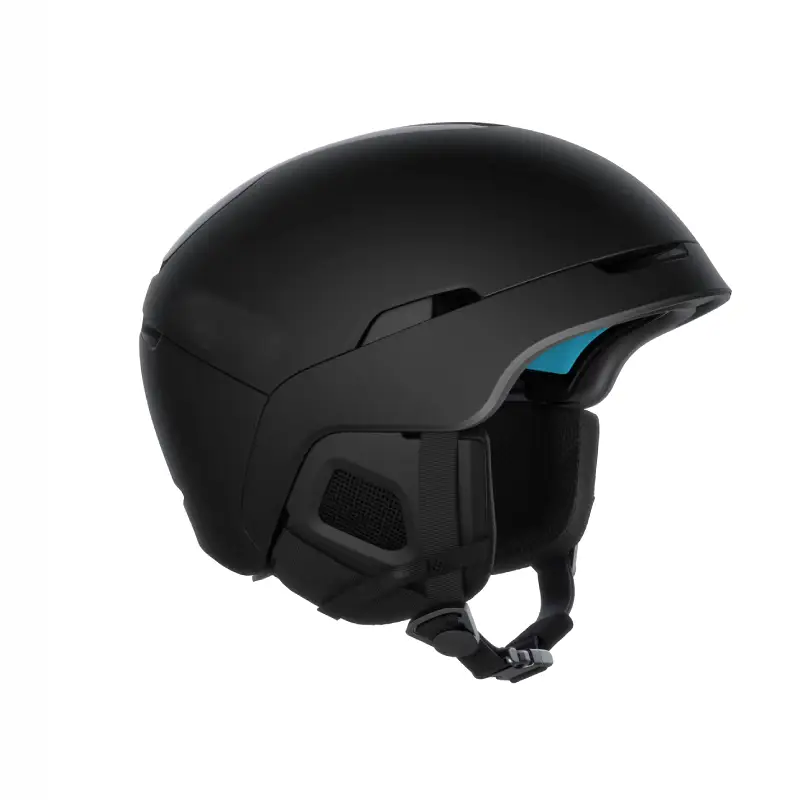
Manufacturers use expanded polystyrene (EPS) because it combines lightweight construction, impact absorption, moldability, and cost efficiency. Its closed-cell foam structure allows helmet designers to develop protective liners with different densities and thicknesses for specific applications.
We use EPS to create helmet components that balance protection, comfort, production efficiency, and design flexibility for various markets and customer requirements.
Design Flexibility: We use EPS because it supports a wide range of helmet designs. The material can be molded around ventilation channels, structural features, and different head shapes. This flexibility allows us to develop customized helmet liners while balancing impact absorption, weight, comfort, appearance, and manufacturing requirements.
Effective Impact Energy Absorption: We use EPS because its cellular structure can absorb and dissipate impact energy when compressed. During an accident, the foam can deform under force, helping reduce the energy transferred through the helmet. This makes EPS a practical material for developing impact-absorbing helmet liners.
Lightweight Material: We choose EPS because it provides useful cushioning and impact absorption without adding significant weight. A lightweight helmet is easier to wear for extended periods and can improve user comfort. This property makes EPS suitable for cycling, sports, industrial safety, and other protective helmet applications.
Easy to Mold: We can mold EPS into complex shapes that match different helmet designs and head geometries. This processing flexibility allows us to produce liners with customized thicknesses, contours, channels, and ventilation spaces. Manufacturers can therefore develop helmet structures that meet specific product designs and application requirements.
Cost-Effective Production: We use EPS because it is relatively economical and suitable for large-scale manufacturing. Its lightweight nature also reduces material usage and transportation weight. Combined with efficient molding processes, EPS helps manufacturers control production costs while maintaining the required structural and performance characteristics of the helmet.
Customizable Density: We can select and adjust EPS density according to the intended helmet application and design requirements. Different densities can provide different combinations of weight, stiffness, and energy absorption. This flexibility allows manufacturers to develop EPS liners for various sports, industrial, transportation, and recreational helmet applications.
How Are EPS Helmets Manufactured?
Manufacturing an EPS helmet liner involves several controlled stages, each affecting the final product’s strength and fit. Below is the general process most factories follow, along with the equipment needed at each stage.
Tools Needed
- Pre-expander machine
- Raw EPS resin beads (pentane-infused)
- Curing silos or storage bins
- Helmet-shaped steel molds
- Steam boiler and molding press
- Trimming and finishing tools
- Weighing scales and inspection gauges
Step 1: Bead Pre-Expansion
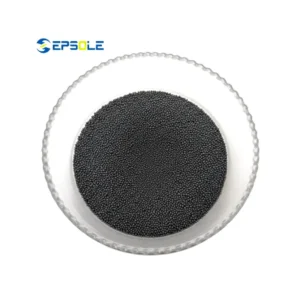
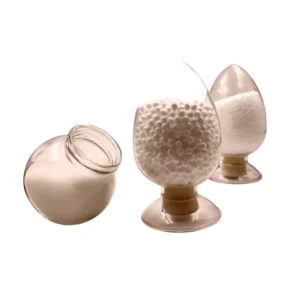

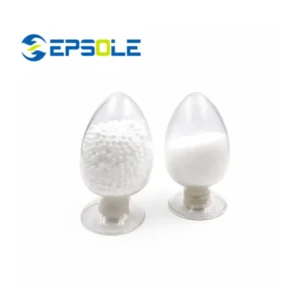
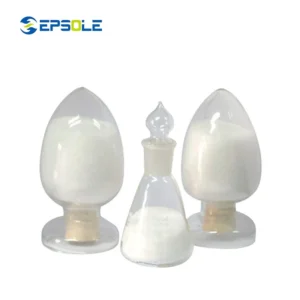
Raw EPS beads start out small and dense. A pre-expander uses steam to heat the beads, causing the pentane gas inside them to expand. This turns each solid bead into a lightweight foam particle, roughly forty times its original size, ready for the next stage.
The pre-expansion step controls the final foam density of the helmet. Operators adjust steam temperature and exposure time to hit a target density range, since denser foam absorbs impact differently than lighter foam. Getting this step right is essential for consistent helmet performance.
Step 2: Bead Curing and Stabilization
After pre-expansion, the beads are transferred to ventilated storage silos to rest. This curing period, usually between six and twenty-four hours, allows air to re-enter the cells as the pentane gas dissipates, stabilizing internal pressure.
Skipping or shortening curing time leads to weak, uneven foam. Stabilized beads mold more evenly and hold their shape better under steam pressure later. Factories track curing time closely, since bead condition directly affects the strength of the finished helmet shell.
Step 3: Mold Preparation
Helmet-specific steel molds are cleaned, inspected, and closed before molding begins. Each mold is shaped to match the exact helmet design, including vents, curves, and mounting points required for the finished product.
Technicians check the mold for wear, damage, or residue from previous cycles. A poorly maintained mold can create weak spots or surface defects in the helmet. Regular mold maintenance keeps every batch consistent in shape, thickness, and strength.
Step 4: Steam Molding
Cured beads are loaded into the mold cavity, then high-pressure steam is injected. The heat softens the bead surfaces, causing them to expand further and fuse permanently into one solid, helmet-shaped block of EPS foam.
Steam pressure and timing are carefully controlled during this stage. Too little steam leaves gaps between beads, weakening the structure. Too much heat can distort the shape. This balance determines how well the finished liner performs during an impact.
Step 5: Cooling and Demolding
Once molding is complete, the helmet shape needs to cool before it can hold its form. Cooling water or air circulates around the mold, reducing internal temperature so the fused foam becomes rigid and stable.
After cooling, the mold opens and the helmet liner is removed. Rushing this step can warp the shape or cause cracking. Proper cooling time ensures the liner keeps its precise dimensions for the next production stages.
Step 6: Trimming, Inspection, and Packaging
Excess foam flash around the edges is trimmed away, and vents or straps holes are finished to spec. Workers then weigh, measure, and visually inspect each liner against density and dimension tolerances.
Approved liners are packed in protective wrapping to prevent crushing during transit. Rejected pieces are separated for recycling. This final stage confirms that every EPS helmet leaving the factory meets consistent safety and sizing standards.
Quality Control in EPS Helmet Production
Quality control is essential in EPS helmet production because the liner plays an important role in the helmet’s overall impact-absorption performance. We carefully control raw materials, molding conditions, dimensions, density, appearance, and finished components throughout production.
Consistent inspection helps us reduce manufacturing defects and deliver EPS helmet liners that meet customer specifications and applicable requirements.
Finished Product Testing: We conduct appropriate performance and quality tests according to the helmet’s intended application and applicable customer requirements. Testing can help evaluate structural and impact-related characteristics. We use inspection results to identify process issues, improve production consistency, and ensure finished EPS helmet components meet defined quality specifications.
Raw Material Inspection: We inspect incoming EPS raw materials before production to confirm their quality, consistency, and suitability for molding. We check important characteristics such as bead condition, material consistency, and storage condition. Proper raw material control helps us maintain stable processing performance and consistent finished EPS helmet liners.
Foam Density Control: We carefully control EPS foam density because it can influence the liner’s weight, strength, and impact-absorption characteristics. We monitor density during production and compare results with established specifications. Consistent density helps us maintain uniform performance across different production batches and customized helmet designs.
Mold Inspection: We inspect helmet molds before and during production to ensure that cavities, surfaces, ventilation features, and dimensions remain within the required specifications. We also check mold cleanliness and condition. Proper mold maintenance helps us produce EPS liners with accurate shapes, consistent dimensions, and reliable surface quality.
Molding Process Control: We monitor key molding parameters, including steam pressure, heating conditions, cooling time, and molding cycle settings. We maintain suitable process conditions to achieve consistent foam expansion and fusion. Stable molding parameters help us reduce deformation, incomplete molding, dimensional variation, and other common production defects.
Dimensional Inspection: We measure finished EPS helmet liners to verify important dimensions, thicknesses, openings, and overall geometry. We compare the measured results with approved drawings or customer specifications. Consistent dimensional control ensures that the liner fits correctly inside the corresponding helmet shell and supports efficient downstream assembly.
Appearance Inspection: We visually inspect finished liners for surface defects such as cracks, deformation, incomplete fusion, contamination, or irregular edges. We also check ventilation openings and molded features. Careful appearance inspection allows us to identify defective components before packaging, assembly, or shipment to customers.
Weight Verification: We check the weight of EPS helmet liners to identify significant variations between individual pieces or production batches. Unexpected weight differences may indicate changes in material density, expansion, or molding conditions. Regular weight checks provide a simple and effective method for monitoring production consistency.
EPS Helmet Application
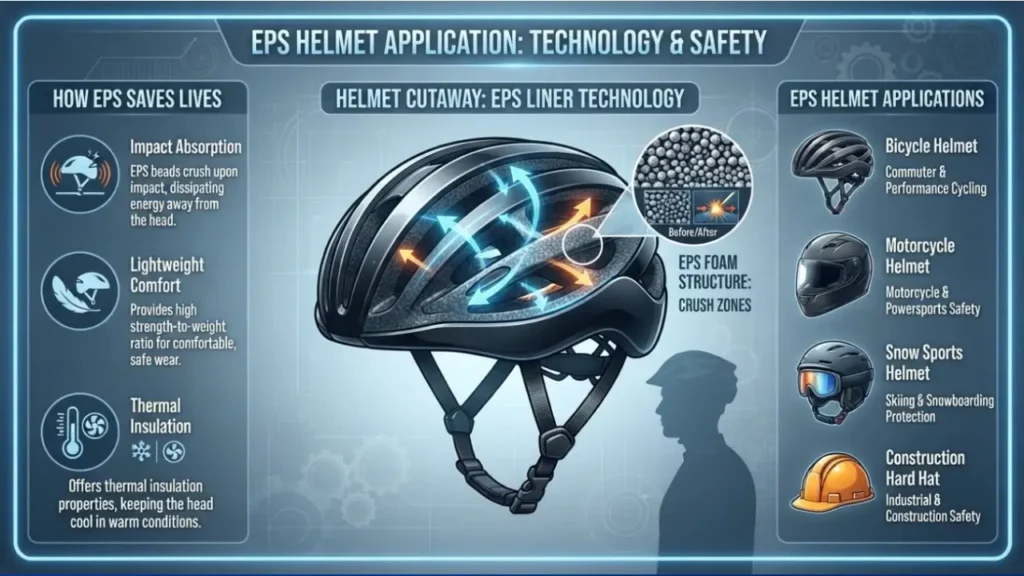
EPS helmets are used in many industries and activities where lightweight impact protection is required. We manufacture EPS helmet liners for different applications by adjusting foam density, thickness, shape, and ventilation features. This flexibility allows us to support different helmet designs while balancing impact absorption, comfort, weight, durability, and specific customer requirements across multiple markets.
- Children’s Protective Helmets: We manufacture EPS liners for children’s helmets used in cycling, skating, and other recreational activities. We can customize liner dimensions, ventilation, density, and internal geometry for smaller helmet sizes. Our goal is to support comfortable, lightweight helmet designs while maintaining consistent manufacturing quality across production batches.
- Cycling: We produce EPS helmet liners for road cycling, mountain biking, commuting, and recreational riding. Our lightweight foam structures help provide impact absorption while maintaining comfortable head coverage. We can customize liner geometry, ventilation channels, thickness, and density to match different cycling helmet designs and production requirements.
- Motorcycling: We supply EPS components for motorcycle helmets designed for different riding conditions and helmet styles. We can customize the liner structure according to the helmet shell and required specifications. Our EPS molding capabilities support consistent dimensions, ventilation features, and foam characteristics for efficient motorcycle helmet manufacturing.
- Skiing and Snowboarding: We manufacture EPS liners for ski and snowboard helmets where lightweight impact protection and comfortable head coverage are important. We can develop customized shapes with ventilation openings and integrated features. The EPS structure can be designed to fit different outer shells, sizes, and winter sports helmet configurations.
- Skateboarding and Roller Sports: We provide EPS helmet liners for skateboarding, roller skating, inline skating, and similar recreational activities. Our molded EPS components can be customized for different head shapes and helmet sizes. We focus on consistent molding quality, appropriate foam characteristics, and comfortable designs for repeated recreational use.
- Industrial Safety: We produce EPS components for certain protective helmet applications in industrial environments where impact protection is required. We can customize dimensions, density, and liner geometry according to the finished helmet design. Our manufacturing process supports consistent production for customers requiring reliable, repeatable EPS components in larger quantities.
- Climbing and Outdoor Activities: We manufacture EPS liners for climbing, mountaineering, and other outdoor protective helmets. We can customize the foam structure to accommodate ventilation openings, retention systems, and different shell geometries. Lightweight construction helps make these helmets practical for outdoor activities where users may need comfortable protection during extended periods.
- Water Sports: We can provide EPS helmet components for selected water sports applications, including helmets used for kayaking, rafting, and similar activities. We customize the liner according to the shell and intended design. Proper material selection and helmet construction are important because water-sport environments require suitable overall product performance.
Choosing a Reliable EPS Helmet Manufacturer
When sourcing EPS helmets, look for suppliers with consistent bead curing practices, well-maintained molds, and documented quality testing. Production consistency matters more than price alone, since variations in density or curing time can directly affect how well a helmet performs in a real fall or collision.
Conclusion
Manufacturing an EPS helmet liner is a precise process, from bead pre-expansion and curing to steam molding, cooling, and final inspection. Each stage directly affects how well the finished helmet protects the wearer, which is why consistency and quality control matter at every step of production.
If you are sourcing helmets for your brand or distribution business, working with an experienced EPS foam manufacturer helps ensure consistent density, accurate fit, and dependable impact performance across every batch, rather than dealing with unpredictable quality between orders.
We manufacture EPS helmet liners with controlled bead curing, well-maintained molds, and batch-level quality checks. Get wholesale EPS helmets from our team at Epsole, and let us help you source consistent, reliable helmet liners for your next order.