
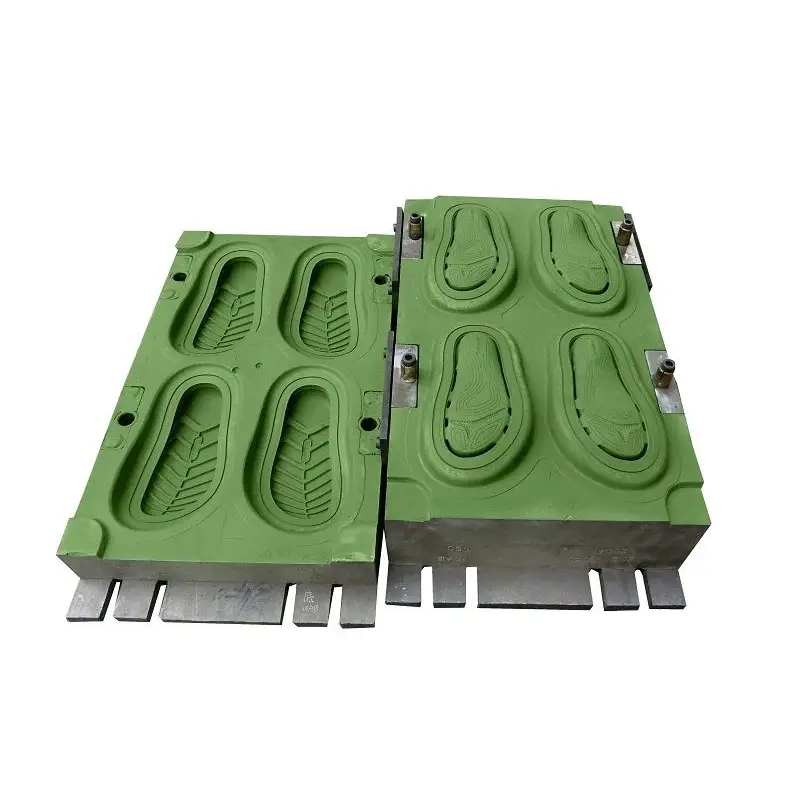
EPS Cutting Line
We offer advanced EPS cutting lines designed for precision and efficiency. Our solutions enable you to accurately shape expanded polystyrene for various applications, from packaging to construction. Automate your production, minimize waste, and achieve consistent results with our reliable and innovative EPS foam cutting equipment. Boost your output and optimize material usage today!
Get EPS Cutting Line Wholesale

Precision and Accuracy: Achieve highly accurate and consistent cuts, crucial for intricate designs, tight tolerances, and finished products. This minimizes material waste and ensures product integrity.
Increased Efficiency and Automation: Automate the cutting process, significantly reducing manual labor and speeding up production cycles. This leads to higher output and improved operational efficiency.
Reduced Material Waste: Optimized cutting paths and precise control minimize off-cuts and scrap, leading to substantial savings on material costs over time.
Versatility in Production: Capable of cutting various EPS densities and thicknesses, allowing for a wide range of product applications, from packaging inserts and insulation boards to architectural elements and signage.

ePS cutting line for polystyrene boards
We offer EPS cutting lines specifically designed for polystyrene boards. Our solutions deliver exceptional precision and efficiency, ensuring clean, accurate cuts for all your board dimensions and shapes. Perfect for construction, insulation, and packaging applications, our cutting lines optimize material usage, reduce waste, and boost your production capabilities for high-quality EPS boards.

continus EPS cutting Machine line
We continuous EPS cutting machine lines, engineered for unparalleled productivity and precision. These fully automated systems streamline your Expanded Polystyrene foam production, from block feeding to final cut. Experience consistent, high-volume output, minimal material waste, and superior accuracy, ensuring your EPS products meet the most demanding specifications with maximum efficiency.
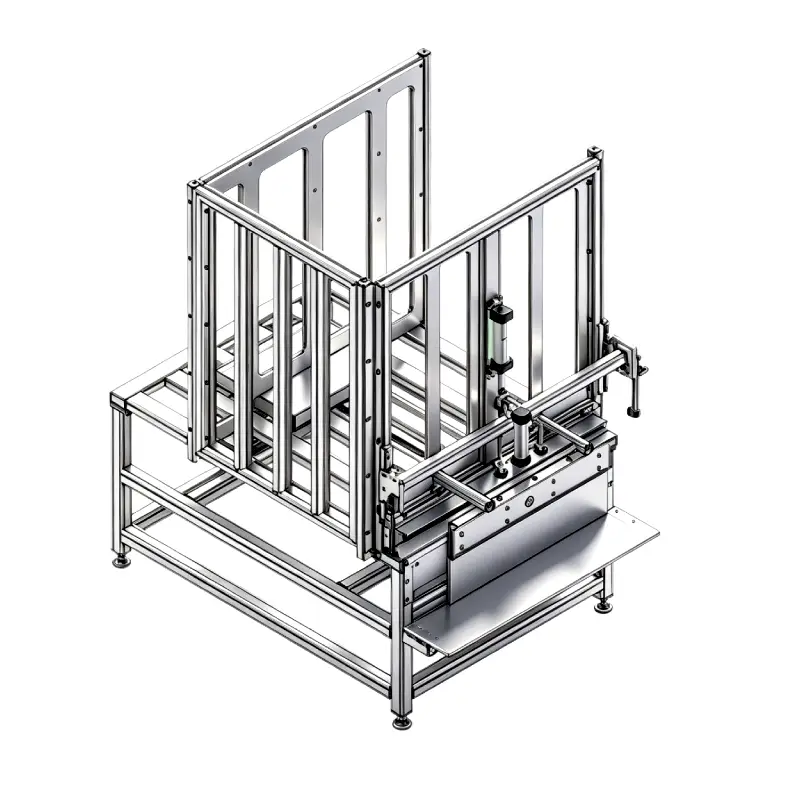
EPS skid strip cutter machine
Our EPS skid strip cutter machine is designed for precise and efficient cutting of foam skid strips. We provide robust construction, user-friendly controls, and adjustable settings to handle various thicknesses. It ensures clean, consistent cuts, improving production speed and reducing material waste, making it ideal for industrial foam processing applications.
How to Cut EPS

Cutting Expanded Polystyrene (EPS) foam efficiently and accurately involves selecting the right method and following a structured process. The approach varies significantly depending on the desired precision, production volume, and the complexity of the shapes needed.
Whether for simple packaging inserts or intricate architectural moldings, understanding the fundamental techniques and available technologies is key to achieving optimal results and minimizing waste in your EPS fabrication process.
Step 1: Choosing the Cutting Method
The first crucial step is to select the appropriate cutting method based on your project’s requirements. Common techniques include hot wire cutting, which uses heat to melt through the foam, and CNC (Computer Numerical Control) routing, which employs rotating bits for mechanical removal.
Another advanced option is laser cutting, offering extreme precision for detailed work, or traditional manual methods for very simple, low-volume cuts. Your choice dictates the equipment needed and the precision achievable.
Step 2: Preparing the EPS Material
Once the method is chosen, the EPS block or sheet must be properly prepared for cutting. This involves ensuring the material is clean, dry, and free from any obstructions. For automated processes, the EPS is typically loaded onto a machine bed or conveyor system, securely positioned to prevent movement during cutting.
Proper preparation also includes confirming the material dimensions match the design specifications to avoid errors. This foundational step is critical for consistent, high-quality results in the subsequent cutting process.
Step 3: Programming or Guiding the Cut
For automated methods like hot wire CNC, laser, or traditional CNC routing, the design is translated into machine instructions. This involves creating or loading CAD/CAM files that dictate the cutting path, speed, and depth.
For manual methods, the design is typically drawn directly onto the EPS or transferred using templates, guiding the user’s hand. Accurate programming or careful manual guidance is paramount to achieving the exact desired shape and dimensions from the EPS material.
Step 4: Executing the Cut
With the material prepared and the cut programmed or guided, the actual cutting process begins. Hot wire cutters glide through the foam, melting a precise path, while CNC routers mechanically remove material to form shapes. Laser cutters vaporize the foam, creating clean, precise edges.
Throughout this stage, monitoring the process for any deviations or issues is important to ensure a flawless outcome. After the cut, the finished EPS parts can be retrieved, and any excess material is typically removed.
EPS Cutting Line Applications
Packaging Solutions
EPS cutting lines are extensively used to create custom-fit protective packaging inserts for fragile goods. From electronics to medical equipment, these precisely cut foam pieces cushion products, preventing damage during shipping and handling, ensuring items arrive safely and intact.
Construction and Insulation
In the building industry, EPS cutting lines produce insulation boards, architectural moldings, and decorative elements. The ability to create exact shapes and thicknesses ensures energy efficiency in buildings and allows for intricate, lightweight designs for both interior and exterior applications.
Signage and Displays
For advertising and event industries, EPS cutting lines enable the rapid fabrication of large-format 3D letters, logos, props, and custom display elements. Their precision allows for complex designs to be brought to life, offering a cost-effective and lightweight solution for impactful visual marketing.
Art and Prototyping
Artists and designers utilize EPS cutting lines for creating sculptures, theatrical props, and prototypes. The ease of cutting and shaping EPS allows for rapid iteration of designs, making it ideal for visual mock-ups, custom molds, and intricate artistic creations before final material selection.