
Consistent EPS quality starts with understanding how every production stage influences the finished foam. From bead selection and expansion to molding and cooling, each step shapes product uniformity. For manufacturers, controlling these variables is essential to producing foam that meets customer expectations for density, dimensions, and dependable performance across applications.
Achieving consistency requires more than adjusting a single machine setting. It involves coordinating material preparation, processing conditions, equipment performance, and quality checks throughout production. This blog explores practical ways to strengthen EPS quality, identify sources of variation, and build a more controlled process that supports reliable results from every batch.
What is EPS?
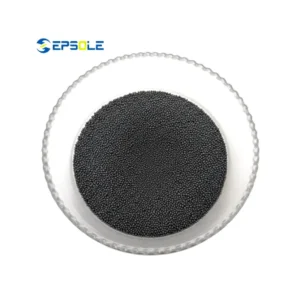
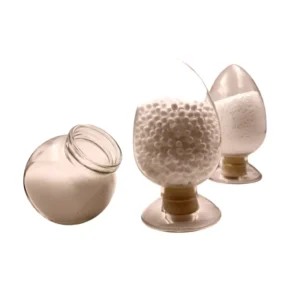

Expanded polystyrene, or EPS, is a lightweight, rigid foam made by expanding polystyrene beads and fusing them together. Its structure contains approximately 98% air, providing thermal insulation and cushioning with minimal weight. Manufacturers mold EPS into blocks, sheets, and customized shapes for different applications.
Consistent density and bead fusion help determine the finished material’s strength, dimensional stability, and overall performance.
Common Uses of EPS Material
- Civil engineering: EPS geofoam blocks provide lightweight fill for road embankments, bridge approaches, and retaining structures. Replacing heavier fill reduces loads on underlying soils, helping engineers manage settlement and pressure in appropriately designed construction projects.
- Building insulation: EPS boards help reduce heat transfer through walls, roofs, and floors. Their lightweight structure simplifies handling and installation, while different density grades allow manufacturers to meet specific insulation and load requirements across projects.
- Protective packaging: Molded EPS inserts cushion electronics, appliances, and other fragile products during transportation. Custom shapes hold items securely, while the foam absorbs impacts and adds little weight, helping businesses protect goods throughout distribution networks.
- Temperature controlled packaging: EPS containers help limit heat transfer when transporting seafood, fresh produce, and other temperature sensitive products. Combined with suitable cooling materials, they support shipping conditions designed around product requirements and journey duration.
EPS Quality Inspection

EPS quality inspection checks whether finished foam meets specified requirements for density, dimensions, strength, and appearance. Rather than relying on visual checks alone, manufacturers combine measurements with physical testing to evaluate consistency.
A structured inspection process helps identify production variations, assess bead fusion, and confirm that each batch suits its intended packaging, insulation, or construction application before release to customers.
Mechanical performance testing:
Test compressive properties using the method required by the applicable specification. Compare results with the declared grade rather than assuming density guarantees strength. Where relevant, include bending tests to assess mechanical integrity. Record sample conditioning, dimensions, and loading conditions so results remain meaningful and comparable.
Density measurement:
Measure sample mass and volume to calculate density, then compare results with the specified product grade. Collect samples from different positions within a block or production batch. This approach helps reveal uneven expansion or material distribution that a single measurement might otherwise fail to detect.
Dimensional accuracy:
Check length, width, thickness, and squareness against approved drawings or customer specifications. Inspect boards and molded components for warping or shrinkage after suitable conditioning. Accurate dimensions support proper installation and packaging fit, while repeated measurements help teams identify changes associated with molding, cooling, or cutting.
EPS Bead fusion and appearance:
Examine cut surfaces for voids, cracks, and poorly bonded EPS beads. A controlled break can help show whether failure occurs through beads or between them. Combine these observations with appropriate mechanical tests, because appearance alone cannot establish whether foam meets the strength requirements of its application.
How to Choose Best EPS Material?
Choosing the best EPS material starts with matching its properties to your application rather than selecting by price or density alone. Packaging, insulation, and construction projects place different demands on foam. Compare verified performance data, dimensions, and supplier quality controls to identify a suitable grade that meets your technical requirements while balancing cost, handling needs, and expected conditions during service.
Verify specifications and documentation: Request technical datasheets and relevant test reports for the proposed grade. Check applicable fire performance, moisture, and mechanical requirements. Confirm that documentation describes the actual product supplied, not merely a broader range of EPS materials.
Define your application: Identify whether the foam will provide cushioning, thermal insulation, or structural fill. Specify expected loads, exposure conditions, and required dimensions. Clear application requirements help narrow material options and prevent choosing grades unsuitable for intended use.
Check density and strength: Review density alongside measured compressive and flexural properties. Density alone does not guarantee performance, because manufacturing variations affect results. Select a grade supported by test data that meets the mechanical demands of your specific application.
Compare thermal performance: For insulation applications, compare declared thermal conductivity or thermal resistance at the specified thickness. Consider installation conditions and moisture exposure. Choose products that meet project requirements rather than assuming all EPS grades provide identical insulation.
Assess dimensions and consistency: Confirm available thicknesses, dimensional tolerances, and shape requirements before ordering. Request representative samples to inspect fit, surface condition, and bead bonding. Consistent dimensions and material quality help support predictable installation, assembly, or protective packaging performance.
Conclusion
Improving EPS quality means treating consistency as a continuous production priority rather than a final inspection task. Careful material selection, controlled expansion, appropriate bead conditioning, and stable molding conditions all contribute to uniform foam. By reviewing results and refining processes, manufacturers can address variation at its source and work toward quality.
A practical improvement strategy connects production records with product requirements. Tracking density, dimensions, and visible defects gives teams a basis for comparing batches. Equipment checks and operating procedures can support this effort. Together, these measures create a structured approach to managing variation while keeping customer specifications central to manufacturing decisions.
For businesses seeking wholesale EPS foam, contact Epsole to discuss available products. Share your target density, dimensions, intended application, and order volume so the conversation starts with clear expectations. Request product specifications, samples, and a detailed quotation before ordering to help assess whether the proposed foam meets your budget requirements.