
EPS bead melting is a common defect in expanded polystyrene block molding. It happens when beads absorb too much heat during the steam molding process, causing them to soften beyond normal fusion. Instead of forming strong, uniform cell structures, the beads collapse into glassy, dense patches that weaken the block.
This defect affects insulation performance, structural strength, and surface appearance, making it a costly issue for manufacturers. Understanding what triggers bead melting allows you to adjust your molding process before problems spread across a production run. In this article, you’ll learn the main causes and practical solutions for preventing it.
What are EPS Beads?
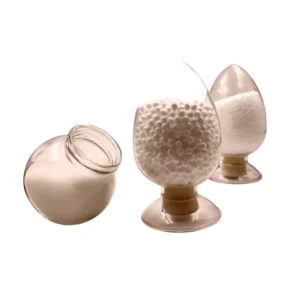
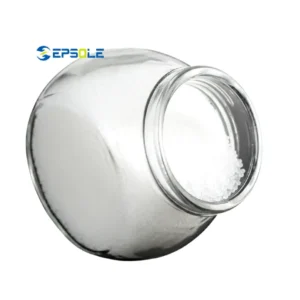
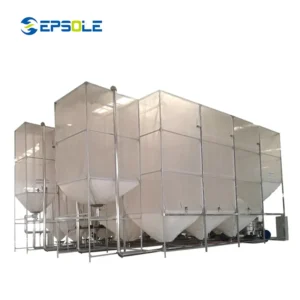
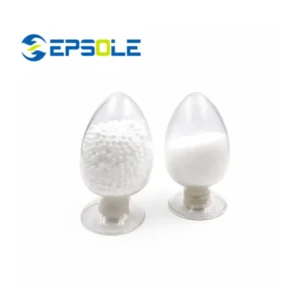
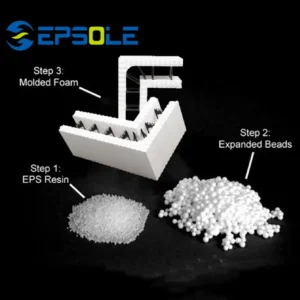
EPS beads are small, spherical granules of polystyrene resin that contain a blowing agent, usually pentane. In their raw form, they are dense, solid pellets about the size of sugar granules. When exposed to steam, the blowing agent causes them to expand dramatically, forming the lightweight, closed-cell foam structure that makes EPS useful for insulation and packaging.
Before molding, raw beads go through a pre-expansion stage, where controlled steam and heat cause them to grow to a fraction of their original density while staying separate. These pre-expanded beads are then aged briefly to stabilize before being loaded into molds, where a second application of steam fuses them together into blocks, sheets, or shaped products.
What Is EPS Bead Melting?
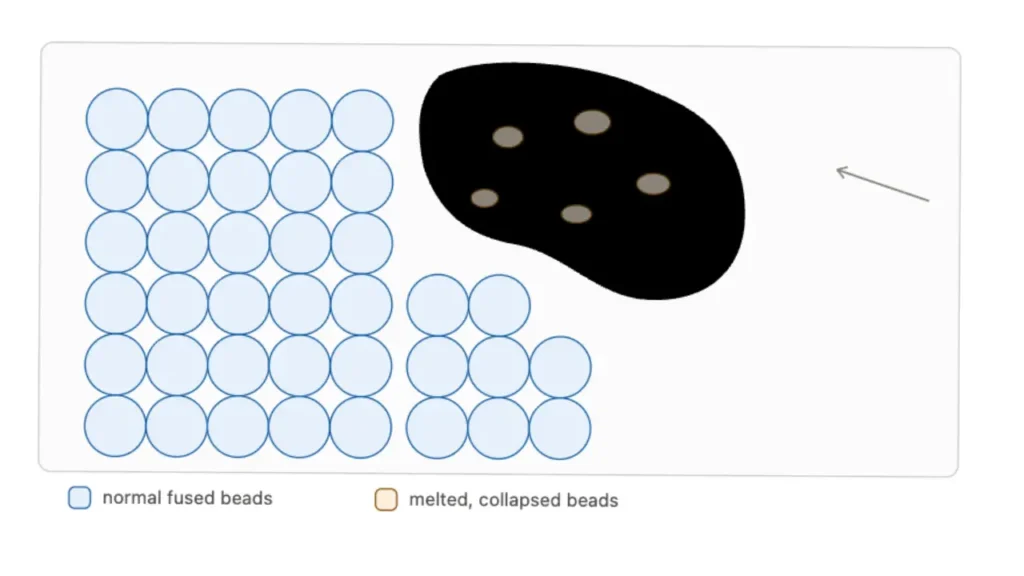
EPS bead melting occurs when expanded polystyrene beads are exposed to excessive heat during the block molding process. Instead of fusing normally at their surfaces, the beads soften too much, lose their cellular structure, and merge into dense, glassy patches.
This differs from normal fusion, where beads bond at their edges while keeping their internal cell walls intact. Melted beads reduce the block’s insulation value, mechanical strength, and overall appearance.
You can usually spot bead melting by looking for shiny or translucent patches on the block surface. These areas feel harder and denser than the surrounding foam, and they often appear near steam inlets or in corners where heat concentrates.
Why EPS Bead Melting Happens
Several factors contribute to bead melting during the pre-expansion and block molding stages. Understanding each cause helps you pinpoint where your process needs adjustment.
Excessive Steam Temperature
Steam is the primary heat source used to expand and fuse EPS beads inside the mold. When steam temperature runs higher than necessary, the outer surface of each bead softens beyond the point needed for fusion.
This is one of the most frequent causes of melting, especially in older molding equipment where temperature control is less precise. Even a small overshoot in steam pressure can push beads past their optimal softening range.
Prolonged Steam Exposure
Steam duration matters as much as temperature. If beads remain in contact with steam for longer than required, they continue absorbing heat even after fusion has already occurred.
This is common when operators extend cycle times to compensate for uneven steam distribution, inadvertently overheating areas that were already properly fused.
Uneven Steam Distribution
Molds with poorly designed steam chests or blocked steam holes create hot spots. Beads near these concentrated steam zones melt while beads in cooler areas remain under-fused.
- Clogged steam vents: Residue buildup restricts steam flow, forcing higher pressure through fewer openings.
- Worn steam chest gaskets: Leaks cause steam to escape unevenly, concentrating heat in specific zones.
- Inconsistent mold design: Poorly placed steam channels create uneven heat distribution across the block.
Low-Quality or Off-Spec Raw Beads
Beads with inconsistent pentane content or uneven pre-expansion density respond unpredictably to steam. Beads that are already partially expanded before molding require less heat, so applying standard steam settings can overheat them.
Batch-to-batch variation in raw material quality makes it difficult to maintain consistent molding parameters, increasing the risk of localized melting.
Incorrect Mold Pressure Settings
Mold pressure works together with steam to fuse beads properly. If pressure settings do not match the steam temperature and bead density being used, beads can be forced into overly tight contact, generating friction heat that adds to the steam’s thermal effect.
Insufficient Cooling Time
Skipping or shortening the cooling cycle traps residual heat inside the block. This trapped heat can continue softening beads even after the mold has technically finished its steam cycle.
How to Prevent and Fix EPS Bead Melting?
Once you understand the root causes, most bead melting issues can be corrected through process adjustments rather than equipment replacement.
- Calibrate steam temperature regularly: Check and adjust steam temperature settings based on the specific bead grade and density you are molding. Small calibration errors compound quickly across production runs.
- Optimize cycle timing: Reduce steam exposure to the minimum duration needed for proper fusion. Test shorter cycles incrementally rather than making large changes at once.
- Maintain steam chest components: Clean steam vents on a scheduled basis and replace worn gaskets promptly to keep steam distribution even across the mold.
- Match beads to process parameters: Verify raw bead density and pentane content before each run, and adjust steam settings accordingly instead of using a single fixed setting for all batches.
- Balance mold pressure with steam settings: Coordinate pressure and steam parameters together rather than adjusting them independently, since each affects how the other behaves.
- Extend cooling cycles when needed: Allow blocks enough cooling time to release trapped heat before demolding, particularly for thicker or higher-density blocks.
EPS Bead Quality Checks
Regular inspection during production helps you catch bead melting before it affects an entire batch.
- Inspect block surfaces after demolding for shiny or glassy patches.
- Cut sample cross-sections periodically to check internal bead structure.
- Track steam temperature and pressure logs to identify drift over time.
- Compare block density readings against target specifications.
- Document mold-specific issues, since melting patterns often repeat in the same mold locations.
Catching these signs early allows you to adjust settings before producing a large volume of defective blocks.
EPS Bead Melting vs Under-Fusion
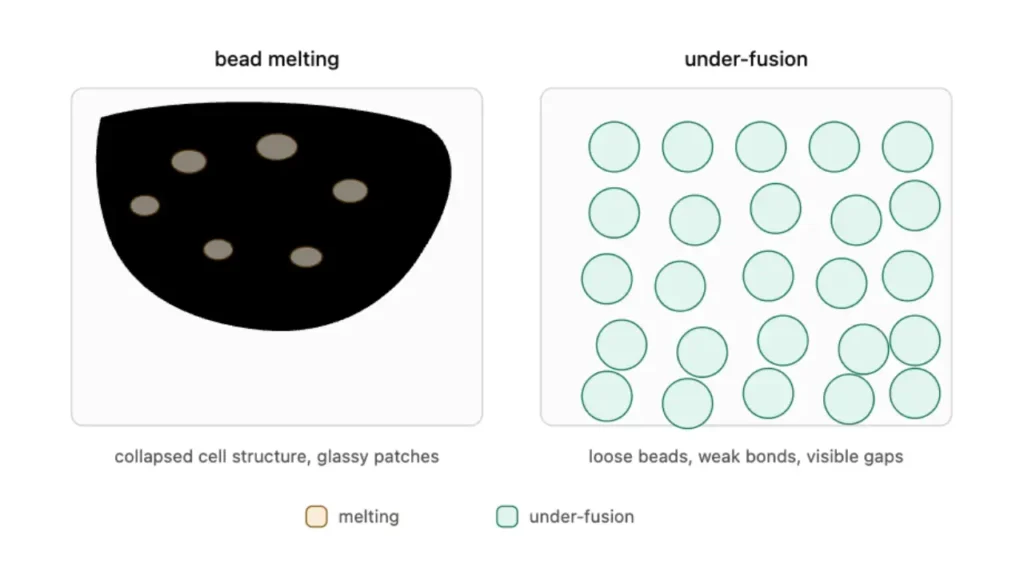
Bead melting and under-fusion are opposite defects that both weaken EPS blocks, but they stem from different causes and require different fixes. One results from too much heat, while the other results from too little. Knowing which one you’re dealing with helps you adjust your process in the right direction.
Cause
Bead melting happens when beads absorb excessive heat, usually from high steam temperature, prolonged steam exposure, or heat concentrated near steam inlets. The beads soften past the point needed for fusion and begin to lose their internal structure.
Under-fusion happens for the opposite reason. Beads receive too little steam or pressure, so their surfaces never soften enough to bond properly with neighboring beads. This often occurs with shortened cycle times or inconsistent steam distribution across the mold.
Surface Appearance
Melted areas on a block surface typically look shiny, glassy, or slightly translucent. These patches feel harder and denser than the surrounding foam, and they often appear near steam vents or mold corners where heat builds up.
Under-fused areas look and feel very different. The surface appears loose or crumbly, with visible gaps between individual beads. You can often see or feel the bead boundaries clearly, and small beads may flake off when touched.
Internal Structure
When beads melt, their internal cell walls collapse and merge into a denser, less porous mass. This destroys the closed-cell structure that gives EPS its lightweight strength and insulating properties.
Under-fused blocks keep their individual bead shapes, but the bonds between beads are weak or incomplete. Cutting a cross-section often reveals gaps or poor adhesion between beads, even though each bead’s internal structure remains intact.
Density Consistency
Bead melting creates localized high-density spots where beads have compressed and fused too tightly. These dense patches are surrounded by normally fused foam, making the block’s overall density inconsistent from one area to another.
Under-fusion tends to lower the block’s overall density instead of creating isolated dense spots. Because beads never bond tightly, the block feels lighter and less compact than specification, often failing minimum density requirements across large sections.
Mechanical Strength
Melted areas are locally hard but brittle, and the surrounding transition zones are often weaker than properly fused foam. This uneven strength distribution can cause blocks to crack or fail under stress in unpredictable locations.
Under-fused blocks are weak throughout, since poor bead bonding reduces the block’s ability to resist compression and tension. These blocks are more prone to crumbling, tearing, or breaking apart during handling and transport.
Fix Direction
Correcting bead melting means reducing steam temperature, shortening cycle time, or improving steam distribution to prevent localized overheating. Adjustments should be gradual, since overcorrecting can push the process toward under-fusion instead.
Correcting under-fusion requires the opposite approach: increasing steam temperature, extending exposure time, or improving pressure settings so beads bond fully. Matching these adjustments to your specific bead grade helps avoid swinging between the two defects.
| Aspect | Bead Melting | Under-Fusion |
|---|---|---|
| Cause | Excess heat or steam exposure | Insufficient heat or steam exposure |
| Surface appearance | Shiny, glassy, dense patches | Loose, crumbly, visible bead gaps |
| Internal structure | Collapsed cell walls | Weak bonds between intact beads |
| Density consistency | Localized high-density spots | Overall lower density |
| Mechanical strength | Locally brittle, uneven strength | Weak throughout, prone to crumbling |
| Fix direction | Reduce steam/pressure | Increase steam/pressure |
How to Choose EPS Beads?
Choosing the right EPS beads directly affects how well your blocks mold, fuse, and perform in their final application. The wrong bead grade can lead to defects like melting or under-fusion, even with a well-calibrated process. Consider these factors before selecting a supplier or bead batch for your production needs.
- Supplier Consistency: Batch-to-batch variation is one of the biggest hidden causes of molding defects. Choose suppliers who maintain tight quality control over density, pentane content, and particle size. Consistent raw material lets you keep stable process settings instead of constantly recalibrating steam and pressure for each new batch.
- Bead Density: Match bead density to your target block density and application. Lower-density beads suit lightweight packaging, while higher-density beads work better for structural insulation or load-bearing uses. Using the wrong density range forces you to over-adjust steam and pressure settings, increasing the risk of defects.
- Pentane Content: Consistent pentane content ensures predictable expansion behavior during pre-expansion and molding. Beads with variable pentane levels expand unevenly, making it difficult to maintain stable steam settings across batches. Ask suppliers for consistency data, especially if you’re switching between bead lots or sourcing from multiple vendors.
- Bead Particle Size: Particle size affects surface finish, fusion quality, and molding speed. Smaller beads produce finer, smoother surfaces suitable for detailed molds, while larger beads mold faster and suit bulkier blocks. Choose a size range that matches your mold design and the finish quality your application requires.
- Flame Retardant Grade: If your application requires fire safety compliance, such as construction insulation, confirm whether you need flame-retardant beads. Standard beads lack this additive, so verify certifications and test data from your supplier to ensure the beads meet relevant building codes or industry safety standards.
What causes EPS beads to melt during molding?
EPS beads melt primarily due to excessive steam temperature, prolonged steam exposure, or uneven heat distribution inside the mold. Off-spec raw beads and incorrect pressure settings can also contribute to localized melting.
Does bead melting affect the insulation performance of EPS blocks?
Yes. Melted areas lose the closed-cell structure that gives EPS its insulating properties, which can reduce thermal performance and create inconsistent density across the block.
Can bead melting be fixed after the block is molded?
No. Once beads have melted, the internal cell structure cannot be restored. Prevention through process control during molding is the only reliable solution.
How do I know if my mold has uneven steam distribution?
Check for recurring melting patterns in the same mold locations across multiple production runs. This usually points to clogged steam vents, worn gaskets, or a mold design issue rather than a one-time process error.
Is bead melting more common with certain EPS densities?
Higher-density blocks are more prone to melting near steam inlets because the beads are packed more tightly, which concentrates heat. Adjusting steam pressure for the specific density you are molding helps reduce this risk.
Conclusion
EPS bead melting almost always traces back to excess heat, uneven steam distribution, or mismatched process settings. Once you identify which factor is driving the defect, targeted adjustments to steam temperature, cycle timing, and mold pressure can resolve most cases quickly. Prevention through careful process control remains far more effective, since damage to the bead structure cannot be reversed once melting has occurred.
Raw material quality also plays a major role in how predictably beads respond to steam. Beads with inconsistent pentane content or uneven pre-expansion density are more likely to melt or under-fuse, even when your process settings are correct. Starting with reliable, consistently graded EPS beads gives you a stronger foundation for stable molding results and fewer defects.
If you’re looking to reduce bead melting and other molding defects, sourcing high-quality raw material is a practical place to start. Get wholesale EPS beads from our Epsole and enjoy consistent density, reliable pentane content, and steady supply for your production line. Contact our team today to discuss your requirements and find the right bead grade for your process.