
EPS crusher is a specialized recycling machine used to break down expanded polystyrene waste into smaller, compact particles. This process makes foam materials easier to store, transport, and recycle efficiently. It is widely applied in waste management systems to support environmental protection and improve material recovery across multiple industries today industry needs.
This guide explores how EPS crusher machines work, their key functions, and the benefits they bring to modern recycling operations. It also helps readers understand different equipment types and performance factors. With growing demand for sustainable solutions, EPS crushers have become an important part of foam waste reduction and resource recovery today.
What is an EPS Crusher?
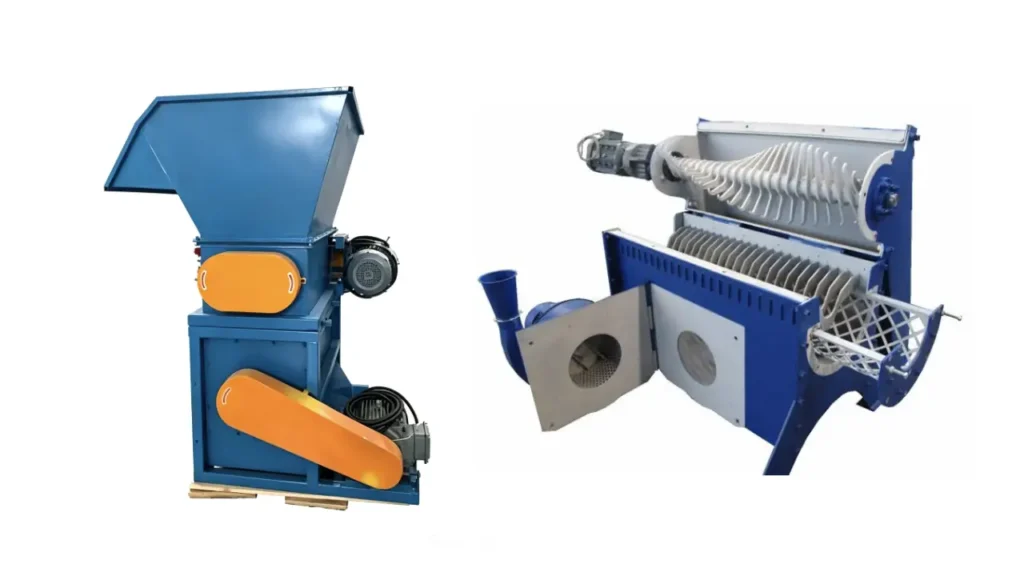
An EPS crusher is a machine designed to reduce expanded polystyrene (EPS) waste into smaller, manageable pieces for recycling and reuse. It compresses and breaks down bulky foam materials, making storage and transportation more efficient.
How Does EPS Crusher Works?
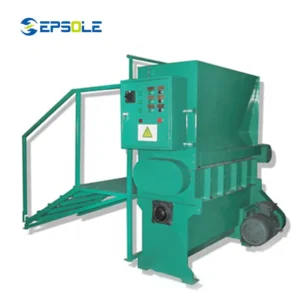
An EPS crusher works by feeding expanded polystyrene foam into a crushing chamber where rotating blades or compaction mechanisms break it into smaller pieces. The reduced material is then compressed or discharged for easier storage and recycling.
This process improves handling efficiency, reduces volume, and prepares foam waste for reuse in recycling systems. It ensures efficient recycling output today.
- Discharge and recycling preparation: Once processed, crushed EPS is discharged from the machine in compact form, ready for storage or further processing. This step ensures clean handling, reduces waste volume significantly, and supports efficient recycling workflows across manufacturing and waste management operations industrially sustainably today.
- Feeding and crushing process: EPS foam is fed into the machine through a hopper where rotating blades or a crushing system breaks it into smaller fragments. This stage reduces bulky foam size quickly, allowing smoother processing and preparing material for further compression and recycling efficiency.
- Compression and volume reduction: EPS particles are compressed using mechanical or hydraulic force, significantly reducing their volume. This makes storage and transport more efficient, lowers logistics costs, and prepares the material for densification and recycling into reusable plastic products within industrial systems globally today.
EPS Crusher Machine Types
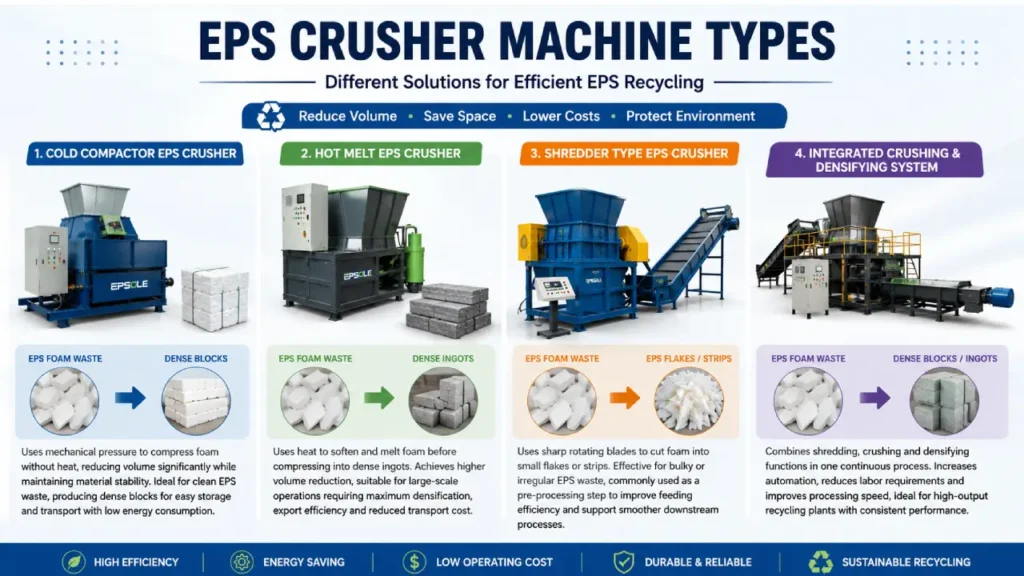
EPS crusher machines come in different types designed to handle various foam recycling needs, from small-scale packaging waste to large industrial volumes. Each type offers unique working principles, capacities, and output forms.
Choosing the right model depends on production scale, space, and recycling efficiency requirements in modern waste management operations today industry use.
Integrated EPS crushing and densifying system:
Integrated EPS crusher systems combine shredding, crushing, and densifying functions in one continuous process. This setup increases automation, reduces labor requirements, and improves processing speed, making it ideal for high-output recycling plants that require consistent performance, stable output quality, and efficient handling of large volumes of EPS waste materials daily.
Cold compactor EPS crusher:
Cold compactor EPS crushers use mechanical pressure to compress foam without heat, reducing volume significantly while maintaining material stability. This type is ideal for clean EPS waste streams and produces dense blocks for easy storage and transport, widely used in recycling facilities focused on efficient space-saving and low-energy operation performance systems.
Hot melt EPS crusher:
Hot melt EPS crushers use heat to soften and melt foam before compressing it into dense ingots. This process achieves higher volume reduction compared to mechanical-only systems, making it suitable for large-scale recycling operations where maximum densification, export efficiency, reduced transport cost, and improved waste handling productivity are required.
Shredder type EPS crusher:
Shredder EPS crushers use sharp rotating blades to cut foam into small flakes or strips before further processing. This type is highly effective for bulky or irregular EPS waste, commonly used as a pre-processing step in recycling lines to improve feeding efficiency and support smoother downstream compaction or melting processes in industrial systems.
Where to Use EPS Crusher Machines?
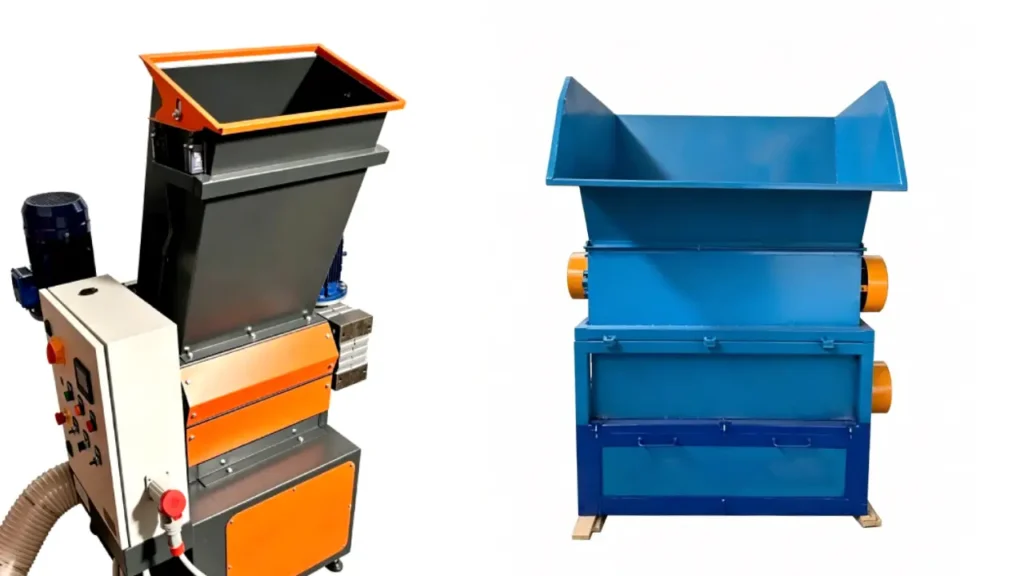
EPS crusher machines are widely used in industries that handle large volumes of expanded polystyrene waste. These machines help reduce bulky foam materials into compact, manageable forms for recycling or disposal. They are essential in improving storage efficiency, lowering transportation costs, and supporting sustainable waste management practices across multiple sectors today.
Logistics And Warehousing Operations
In logistics and warehousing environments, EPS packaging materials accumulate from shipping and product protection. EPS crusher machines help compress this foam waste efficiently, freeing up storage space and reducing clutter. This makes warehouse operations smoother, improves safety, and lowers waste transportation costs while supporting environmentally responsible packaging disposal practices overall.
Recycling Centers
EPS crusher machines are commonly used in recycling centers where large quantities of waste foam are collected and processed. They break down expanded polystyrene into smaller fragments, making it easier to compact, transport, and recycle. This improves efficiency, reduces landfill pressure, and supports circular material reuse systems in modern recycling operations.
Packaging Manufacturers
In packaging manufacturing facilities, EPS crusher machines are used to manage production waste and offcuts. Foam scraps generated during molding and cutting processes are quickly crushed and reduced in volume. This allows factories to maintain cleaner workspaces, lower disposal costs, and recycle leftover materials back into production workflows efficiently and consistently.
Construction And Demolition Sites
Construction and demolition sites often generate insulation foam waste, especially from building renovations and material replacements. EPS crusher machines help process bulky debris on-site, reducing the frequency of hauling and disposal expenses. The crushed foam is easier to store and transport, improving site organization and supporting more sustainable construction waste handling.
Why Choose Our EPS Crushers?
Choosing the right EPS crusher can improve foam recycling efficiency, reduce waste volume, and lower operating costs. We provide reliable EPS crushers with strong crushing performance, durable construction, and easy operation.
Our EPS crusher machines are designed for different EPS recycling needs, helping customers achieve efficient, stable, and environmentally friendly foam processing solutions.
- Energy-Saving Performance: Our EPS crushers are designed with efficient power systems to reduce energy consumption while maintaining strong crushing capability, helping businesses lower operating costs and improve sustainable recycling performance.
- High Crushing Efficiency: We design our EPS crushers with powerful motors and optimized crushing systems to quickly process EPS blocks, sheets, and packaging waste, improving recycling productivity and reducing processing time.
- Durable Machine Construction: We use high-quality materials and advanced manufacturing technology to ensure our EPS crushers offer excellent durability, stable performance, and a longer service life with lower maintenance requirements.
- Easy Operation and Maintenance: Our EPS crushers feature a user-friendly design, simple operating process, and convenient maintenance structure, allowing operators to manage daily production efficiently while minimizing machine downtime.
- Customized Solutions Available: We provide customized EPS crusher solutions according to different recycling capacities, material types, and production requirements, helping customers select the most suitable machine configuration for their applications.
Conclusion
EPS crusher technology plays a vital role in modern waste handling systems by converting bulky foam into reusable materials. It supports environmental protection by reducing landfill pressure and improving recycling efficiency. Businesses that adopt this solution benefit from lower disposal costs and improved operational performance across production and logistics sectors globally and long-term growth value for industry.
Understanding how EPS crushers work helps companies make smarter investment decisions in recycling equipment. From energy efficiency to maintenance needs, every factor contributes to better productivity and cost savings. Choosing the right system ensures smoother operations and stronger sustainability results, making it a practical solution for long-term industrial development today always.
At Epsole, we provide high-quality EPS crusher machines designed for durability, efficiency, and consistent performance in demanding recycling environments. Our solutions help businesses streamline foam waste processing, reduce operational costs, and improve productivity. With advanced engineering and reliable service support, we ensure every customer receives equipment tailored to their specific industrial recycling needs and long-term success today always.