
EPS foam is widely used in protective equipment and packaging due to its lightweight structure and excellent shock absorption. However, many users wonder whether it maintains its performance over long periods of time or gradually loses effectiveness with aging and environmental exposure.
This blog explores how EPS foam behaves over time, including changes in structure, impact resistance, and durability. It helps you understand whether aging affects safety performance and what factors influence its long-term stability in real-world applications.
What is EPS Foam Aging?
EPS foam aging refers to the gradual change in the physical structure and performance of expanded polystyrene over time. Although EPS is stable and lightweight, exposure to heat, UV light, mechanical stress, and environmental factors can slowly reduce its impact resistance and cushioning ability.
This process affects long-term durability and safety performance in applications such as packaging and protective equipment.
EPS Lifespan Matter Factors
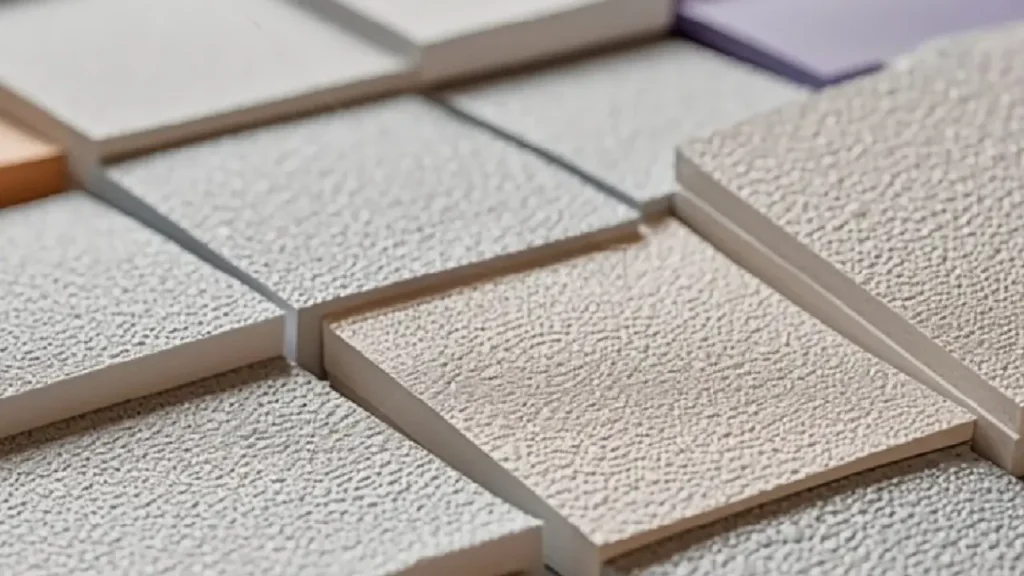
EPS foam lifespan is influenced by several environmental and usage-related factors that determine how well it maintains its structure and cushioning performance over time. Understanding these factors helps EPS manufacturers reduce degradation risks and extend product durability in packaging, construction, and protective applications where consistent impact resistance is essential for long-term safety and reliability across different real-world conditions overall.
Storage Environment
Improper storage conditions such as high humidity, direct sunlight, or chemical exposure can accelerate EPS foam degradation. These environmental factors weaken structural integrity and reduce cushioning performance over time, making controlled storage essential for preserving long-term quality and ensuring consistent material behavior in packaging applications.
UV Exposure
UV exposure gradually weakens EPS foam by breaking down its polymer structure when exposed to sunlight over long periods. This leads to surface brittleness, reduced elasticity, and lower impact absorption performance over time. Making protective applications less reliable without proper storage or shielding measures implemented.
Temperature Fluctuations
Temperature fluctuations can alter EPS foam’s internal structure, causing softening at high heat and increased brittleness at low temperatures. These changes reduce its energy absorption efficiency and long-term durability where consistent thermal stability is required for safe and reliable performance across applications overall stability.
Mechanical Stress
Mechanical stress from compression, impact, or repeated handling gradually compresses EPS foam cells, reducing thickness and shock absorption capacity. Over time, structural fatigue leads to diminished protective performance, especially in high-impact applications where consistent energy dissipation is critical for maintaining safety and reliability standards.
How Long Does EPS Foam Last?
EPS foam is known for its long service life when used in stable conditions, often lasting many years without major performance loss. However, its actual lifespan depends on environmental exposure, handling, and application type.
Understanding how long EPS lasts helps users choose proper storage, maintenance, and replacement timing for safe and reliable performance across different industries and usage scenarios overall effectively.
Application Type Differences:
Different applications affect EPS lifespan significantly, with protective packaging lasting shorter than building insulation. Helmets and safety products require stricter replacement cycles due to safety standards, while static insulation materials may perform effectively for decades when not exposed to extreme environmental or mechanical stress conditions.
Indoor Protected Use
When EPS foam is used indoors and kept away from sunlight, moisture, and mechanical damage, it can last 10 to 20 years or even longer. Its cellular structure remains stable under controlled conditions, maintaining cushioning and insulation performance with minimal degradation over extended periods of safe storage.
Outdoor Exposure
EPS foam exposed to outdoor conditions typically has a shorter lifespan due to UV radiation, temperature changes, and physical wear. Without protective coatings or coverings, degradation may begin within a few years, leading to reduced strength, brittleness, and lower impact resistance in demanding environmental situations overall.
Mechanical Load Conditions
Under repeated compression or heavy mechanical loads, EPS foam gradually loses thickness and shock absorption ability. Lifespan shortens significantly in high-stress applications such as packaging or construction insulation, where constant pressure causes structural fatigue and reduces long-term performance reliability over continuous operational cycles.
Does EPS Foam Degrade Over Time?
EPS foam does experience gradual degradation over time, but the rate and severity depend heavily on how and where it is used. In stable conditions, it can remain functional for many years, yet exposure to external stressors slowly alters its internal cell structure and overall performance characteristics in subtle but important ways across different applications and environments worldwide.
Environmental Pollutant Interaction
Airborne pollutants such as industrial gases, dust particles, or chemical vapors can interact with EPS surfaces over long exposure periods. These interactions may not cause immediate damage but can accelerate surface wear and reduce cleanliness, making the foam less suitable for high-purity or sensitive protective environments over time.
Photooxidation Process
Photooxidation occurs when EPS foam is exposed to sunlight and oxygen simultaneously, triggering slow molecular breakdown. This reaction weakens surface integrity and can cause discoloration or slight crumbling over time. Although deep structural failure is rare, long-term exposure reduces material consistency and overall protective efficiency in sensitive applications.
Air Cell Compression Over Time
EPS foam relies on trapped air cells for cushioning, but long-term pressure or stacking can permanently compress these cells. This subtle structural change reduces rebound capability and energy absorption efficiency. Even without visible damage, performance can decline gradually, especially in storage or repeated-use environments requiring consistent resilience.
Aging Under Static Conditions
Even without external stress, EPS foam undergoes slow physical relaxation, where internal stresses from manufacturing gradually stabilize. This natural aging process may slightly alter hardness or elasticity, though changes are usually minimal. It is more noticeable in precision applications where consistent material response is critical for performance.
Why Choose Our EPS Foam?
Choosing the right EPS foam supplier directly impacts product quality, safety performance, and production efficiency. Our EPS foam is engineered for consistent density, strong cushioning ability, and stable long-term performance.
It is designed to meet industrial standards, making it suitable for packaging, construction, and protective applications where reliability and durability are essential in demanding real-world usage environments overall effectively.
Wide Application Compatibility
Our EPS foam is suitable for multiple industries, including packaging, insulation, and protective products. Its adaptable properties allow it to perform effectively in different environments, providing manufacturers with a flexible material solution that meets various technical and commercial requirements across diverse production needs.
Stable Material Quality
Our EPS foam is produced with controlled density and uniform cell structure, ensuring consistent performance across every batch. This stability improves impact absorption and reduces product failure risks, making it ideal for industries that require reliable cushioning and insulation performance in demanding applications.
Excellent Shock Absorption
Designed with optimized air cell distribution, our EPS foam delivers strong energy absorption during impact. This helps protect fragile products and safety equipment from damage, ensuring reliable protection performance in packaging, transportation, and protective gear applications where consistent cushioning is essential for operational safety.
Lightweight And Cost Efficient
EPS foam offers a lightweight structure that reduces transportation and handling costs while maintaining strength. Our material balances performance and affordability, making it a cost-effective solution for large-scale industrial use without compromising durability or protective efficiency in packaging and construction applications overall usage.
Conclusion
EPS foam generally maintains good structural integrity over time when stored and used under proper conditions. However, exposure to heat, UV light, and mechanical stress can gradually reduce its cushioning performance, making environmental control an important factor in long-term reliability.
Understanding EPS aging behavior helps manufacturers and users make better decisions in product design, storage, and replacement cycles. Regular inspection ensures safety performance remains consistent, especially in protective applications such as helmets and packaging materials.
For stable production quality and efficient processing, choosing reliable equipment is essential. You can get wholesale EPS foam machines and related products from epsole to support consistent manufacturing performance and long-term operational efficiency.