
When you choose a helmet, safety is your top priority. You have likely seen the MIPS label on modern headgear and wondered if it truly makes a difference. This technology is designed to protect your brain from rotational forces during an impact, going beyond traditional standards for your daily rides.
We explore how MIPS works by allowing the helmet to slide slightly upon impact, effectively reducing the energy transferred to your head. Whether you are a cyclist or a thrill seeker, understanding this feature helps you make an informed decision to stay protected while you are enjoying your favorite outdoor activities.
What is MIPS?
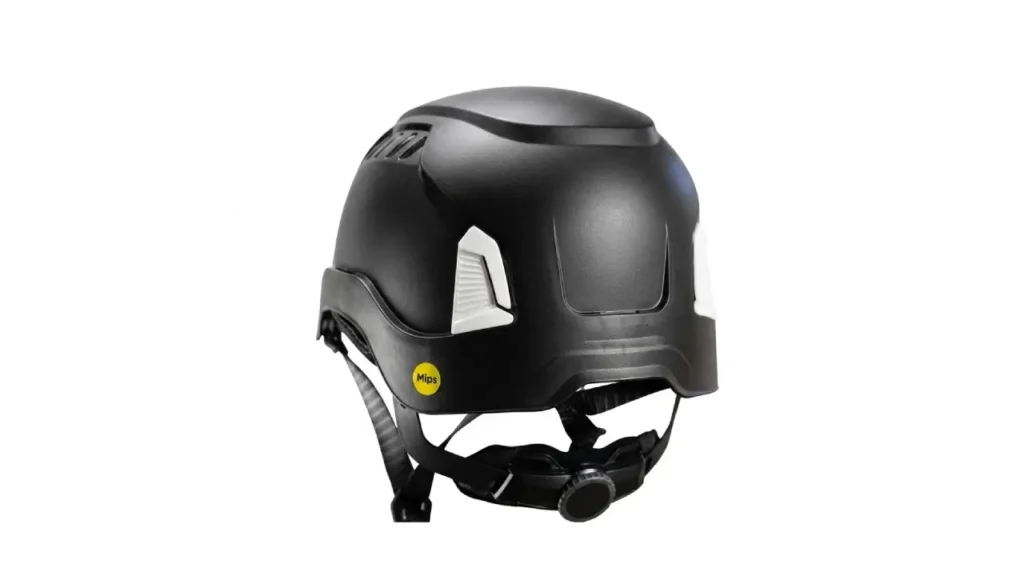
MIPS stands for Multi-directional Impact Protection System. It is a specialized safety technology integrated into helmets to reduce rotational forces during angled impacts.
By featuring a low-friction layer, the system allows the helmet to slide relative to your head upon hitting the ground. This movement helps absorb energy, significantly lowering the risk of brain injury during accidents.
What does MIPS do?
When you experience an angled impact, your head often experiences sudden rotational movement. MIPS technology functions as a protective bridge between the helmet shell and your head. This innovative system allows the helmet to slide independently upon collision, effectively absorbing and redirecting energy that would otherwise transfer directly to your brain.
Improved Safety Standards
Integrating this system means your gear meets more rigorous performance criteria than traditional models. Because it addresses both linear and rotational forces, you receive comprehensive protection that adapts to how accidents actually happen. Relying on this technology provides peace of mind whenever you are engaged in your favorite sports.
Reduction of Rotational Motion
This layer acts as a low-friction interface that decouples the helmet shell from the internal liner. During an oblique impact, the shell moves slightly, which significantly reduces the transmission of twisting forces. This process mimics the natural protective movement of your brain, lowering the potential for severe head trauma.
Enhanced Energy Absorption
Beyond just sliding, the system works in tandem with the foam liner to dissipate kinetic energy across a larger surface area. By converting harmful rotational energy into controlled movement, the helmet ensures your head experiences less shear stress, which is a critical factor in preventing concussions and serious brain injuries.
How MIPS Works?
The core function of MIPS involves a low-friction layer situated between the helmet’s outer shell and the interior liner. When an oblique impact occurs, this layer enables the helmet to slide independently around your head. By facilitating this movement, the system converts rotational energy into sliding motion, protecting your brain from dangerous twisting.
- Natural Protection Mimicry: The brain already possesses a natural defense mechanism involving the cerebrospinal fluid that allows for slight movement within the skull. MIPS technology essentially adds an external layer of protection that complements this biological feature. It enhances your natural defense system, providing an extra safety margin against complex, non-linear impact scenarios.
- Independent Movement: The internal slip plane allows the shell to move relative to the liner during an angled collision. This separation is crucial because it decouples the helmet from your head at the moment of contact. By isolating the impact, the technology prevents the rapid, violent rotation that often causes traumatic brain injuries.
- Energy Dissipation: As the helmet slides, the system efficiently spreads impact forces across a wider area of the foam liner. This redirection of energy ensures that concentrated pressure is minimized during the event. By managing these forces effectively, the helmet reduces the shear stress that typically damages internal brain structures during crashes.
Where is MIPS Used?
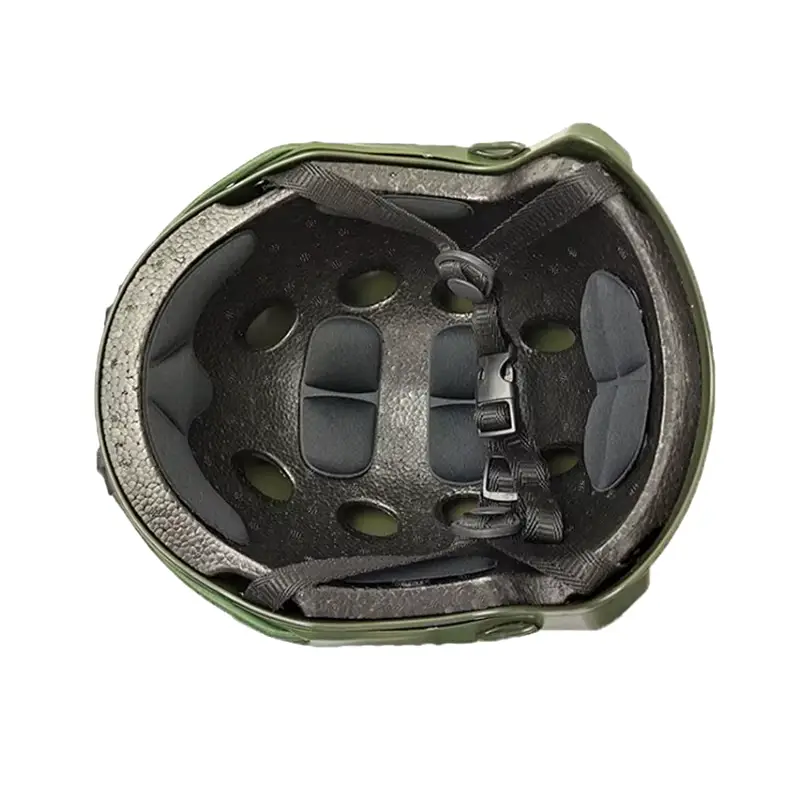
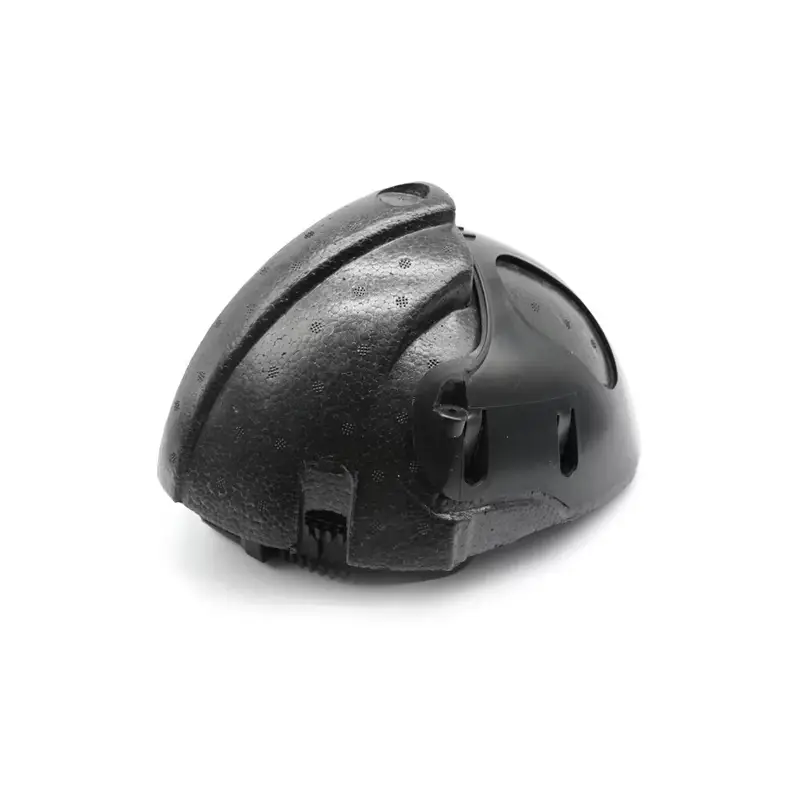
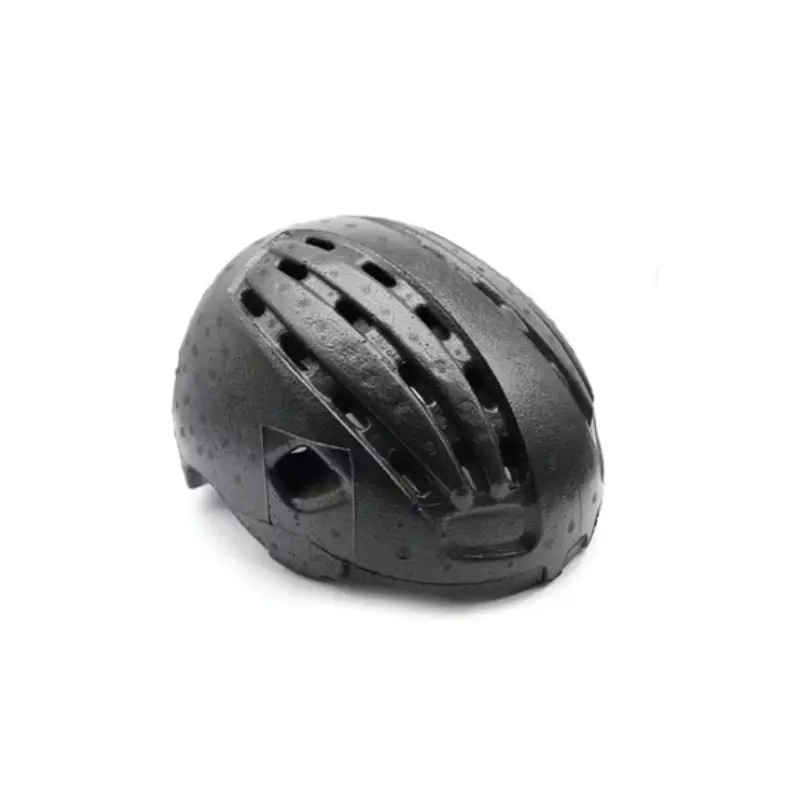
MIPS technology has become a versatile standard for head protection across numerous industries and activities. Because rotational motion is a universal risk in most accidents involving falls or collisions, this safety system is now integrated into a wide range of specialized helmets, ensuring you receive advanced protection regardless of your specific sport or professional environment.
Construction and Industrial Helmets: Safety is just as important in the workplace as it is in sports. For professionals in construction, forestry, or utility sectors, MIPS-equipped hard hats provide protection against slips, trips, and falling objects. By managing the rotational forces inherent in workplace accidents, these helmets ensure workers are better shielded throughout their shifts.
Cycling Helmets: Whether you are a casual commuter or a competitive racer, MIPS provides essential security. It is widely used in road, mountain, and urban bike helmets to mitigate the rotational forces that occur during common bicycle crashes, helping you stay safer on both paved roads and rugged mountain trails.
Snow Sports Helmets: Skiing and snowboarding involve high speeds and the constant potential for angled impacts on hard, frozen surfaces. Helmets equipped with this technology help skiers and snowboarders manage the dangerous twisting motions caused by falls, offering an extra layer of defense that complements the protection provided by your helmet’s foam liner.
Equestrian Helmets: Riding horses presents unique risks, including unpredictable falls from significant heights. Modern equestrian headgear incorporates MIPS to handle the complex rotational energy generated when a rider hits the ground at an angle. This integration is crucial for protecting against severe head injuries during training sessions or professional competitive riding events.
Motorsports Helmets: In high-speed motorsports like motocross or motorcycle racing, accidents often involve violent collisions. The technology is used in specialized helmets to absorb and redirect the massive rotational forces typical of high-speed motorcycle crashes. It serves as a vital component for riders who need top-tier safety gear that addresses both linear and rotational energy.
MIPS vs EPS Helmet
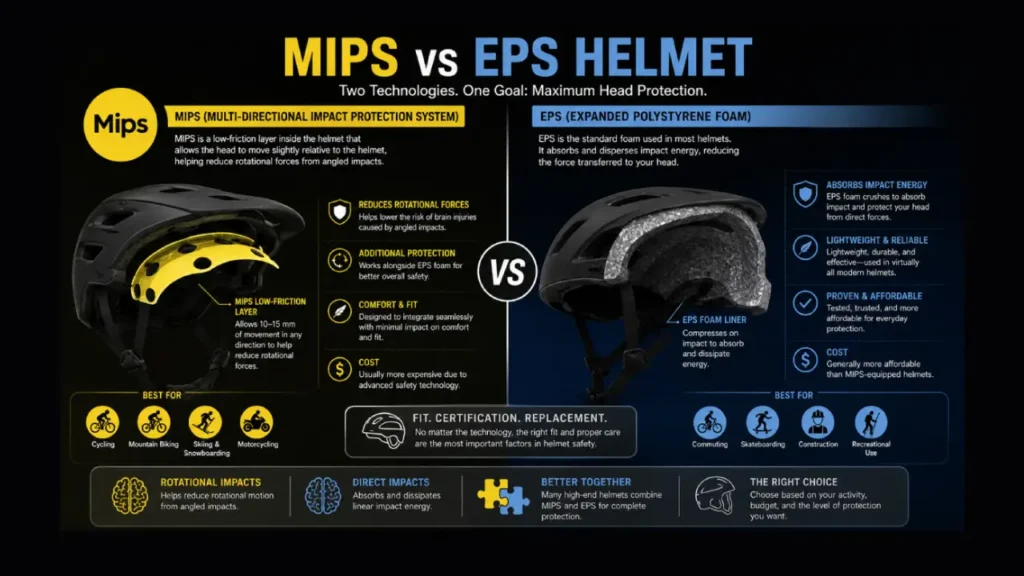
Choosing the right helmet is essential for protecting your head during cycling, motorcycling, skating, or other impact-prone activities. MIPS and EPS are two common helmet technologies found in modern protective gear. While both contribute to safety, they function differently and address different types of impact forces.
Understanding how each system works can help you choose a helmet that best matches your protection needs and budget.
- Comfort and Fit: Modern MIPS systems are designed to add minimal weight and bulk to a helmet. Although the additional layer may slightly affect internal construction, most users notice little difference in comfort. EPS-only helmets feature a simpler design but can be equally comfortable when properly fitted.
- MIPS (Multi-directional Impact Protection System): MIPS is an additional safety technology designed to reduce rotational forces generated by angled impacts. It uses a low-friction layer inside the helmet that allows slight movement between the head and helmet, helping redirect rotational energy that may otherwise be transferred to the brain during a crash.
- EPS (Expanded Polystyrene Foam): EPS is the energy-absorbing foam found in nearly all modern helmets. During a collision, the foam compresses and disperses impact energy, reducing the amount of force reaching the skull. Its lightweight structure and proven effectiveness make it the core protective component in helmet construction.
- Protection Mechanism: EPS primarily protects against direct, linear impacts by crushing and absorbing energy, while MIPS focuses on reducing rotational motion caused by angled impacts. Together, they address different injury mechanisms, which is why many premium helmets incorporate both technologies into a single design.
- Safety Performance: EPS remains the primary protective material responsible for absorbing impact energy during a crash. MIPS enhances safety by helping reduce rotational forces that may contribute to brain injuries. As a result, MIPS-equipped helmets often provide an additional level of protection in real-world accident scenarios.
Why Choose Our EPS Helmets?
We manufacture EPS helmets that prioritize your safety by combining advanced engineering with superior raw materials. Our production process ensures that every helmet provides an effective barrier against impact forces.
By choosing our products, you benefit from consistent density and structural integrity, which are essential for reliable performance in high-stakes environments.
Strict Production Standards:
Every batch of foam undergoes rigorous testing to meet global safety benchmarks. We maintain precise control over the expansion process to ensure uniformity throughout the entire product. This dedication to excellence means you get a reliable helmet that performs exactly as expected when you need it to protect you most.
Optimized Impact Absorption:
Our foam liners are designed to manage energy efficiently during an accident. By controlling the cellular structure of the EPS, we create a material that compresses at an ideal rate. This prevents excessive force from reaching your head, ensuring that you receive consistent protection throughout the life of the helmet.
Lightweight Structural Design:
We focus on creating gear that remains comfortable for extended use without sacrificing strength. Our manufacturing techniques allow us to reduce weight while maintaining high durability. This balance ensures you stay focused during your activities, as a lighter helmet reduces neck fatigue and improves your overall range of motion.
Conclusion
As we wrap up our guide, it is clear that MIPS technology represents a significant leap forward in personal safety. By addressing rotational motion, it offers a level of protection that standard helmets simply cannot match. Investing in your safety by choosing a MIPS-equipped helmet is a smart decision for anyone who takes their gear and well-being seriously.
When you are ready to explore advanced foam solutions for your manufacturing needs, look no further than Epsole. We specialize in providing premium EPS foam and a wide range of related products designed for industrial excellence. Our team is committed to helping you find the ideal materials that meet your production standards and enhance your overall operational efficiency.
Choosing the right partners for your supply chain is essential for maintaining consistent performance. At Epsole, we pride ourselves on our ability to deliver reliable, top-tier foam products that support your specific requirements. Contact us today to learn more about our wholesale options and see how we can help your business thrive with our comprehensive foam manufacturing solutions.