
EPS (Expanded Polystyrene) is widely used in construction for its lightweight structure and thermal insulation properties. Understanding its thermal conductivity helps builders and engineers choose the right materials for energy efficiency, ensuring comfortable indoor temperatures and reduced heating or cooling costs.
Graphite EPS is an enhanced version of standard EPS, containing graphite particles that improve its insulating performance. By reflecting and absorbing heat more effectively, Graphite EPS offers lower thermal conductivity, making it ideal for walls, roofs, and floors in energy-efficient building projects.
What Is Thermal Conductivity?
Thermal conductivity is a material’s ability to conduct heat. It measures how quickly heat passes through a substance, with lower values indicating better insulation.
Understanding thermal conductivity helps engineers and builders choose materials that reduce energy loss, maintain comfortable indoor temperatures, and improve overall energy efficiency in construction and manufacturing.
What Is Expanded Polystyrene (EPS)
Expanded Polystyrene (EPS) is a lightweight, versatile material known for its excellent thermal insulation properties. It consists of tiny, closed cells filled with air, which restrict the transfer of heat through the material.
This unique structure makes EPS an ideal choice for insulation in construction, packaging, and various other industries.

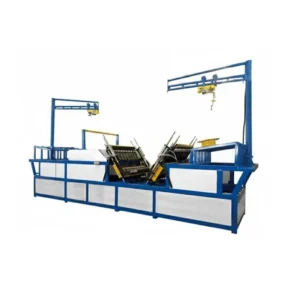
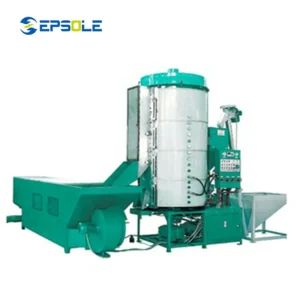
Expanded Polystyrene Thermal Conductivity
Expanded Polystyrene (EPS) is a popular insulation material due to its low thermal conductivity. It effectively slows heat transfer, keeping buildings warm in winter and cool in summer. Understanding EPS thermal conductivity helps builders select the right thickness and density to meet energy efficiency and comfort requirements.
- Versatile Applications – EPS is used in a wide range of insulation applications, including building envelopes, cold storage, and packaging. Its predictable thermal conductivity allows designers to calculate energy savings, optimize material thickness, and ensure compliance with building energy codes and standards.
- Low Heat Transfer – EPS has low thermal conductivity, meaning it resists the flow of heat. This property makes it ideal for insulation in walls, roofs, and floors, reducing energy consumption for heating and cooling and maintaining stable indoor temperatures.
- Density Impact – The thermal conductivity of EPS varies with density. Higher-density EPS offers slightly better insulation, while lower-density EPS is lighter and more cost-effective. Selecting the appropriate density balances performance, material cost, and installation requirements for construction projects.
- Moisture Resistance – EPS maintains its thermal conductivity even when exposed to moisture. Its closed-cell structure prevents water absorption, ensuring long-term insulation performance. This stability makes EPS suitable for basements, exterior walls, and areas prone to humidity without significant loss of energy efficiency.
What Is Graphite EPS?
Graphite EPS is an advanced variant of traditional EPS, enhanced with the addition of graphite particles. These graphite particles act as thermal reflectors, effectively reducing the material’s thermal conductivity.
As a result, Graphite EPS offers superior insulation performance compared to standard EPS, making it an attractive option for energy-efficient construction projects.
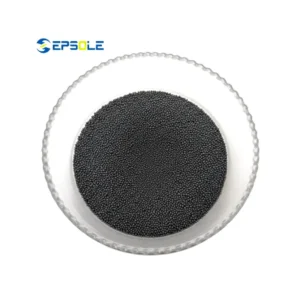
Graphite EPS Thermal Conductivity
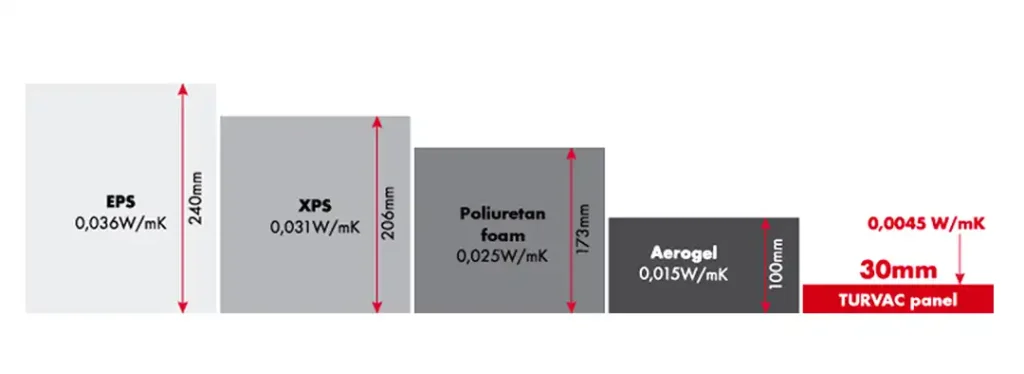
Graphite EPS is an advanced insulation material that improves upon standard EPS by adding graphite particles. These particles enhance its thermal resistance, lowering thermal conductivity and providing better energy efficiency. Graphite EPS is widely used in construction for walls, roofs, and floors where superior insulation performance is required.
- Versatile Construction Applications – Graphite EPS is suitable for floors, roofs, walls, and insulated panels. Its improved insulation properties allow architects and builders to use thinner panels while achieving superior energy efficiency, making it a cost-effective and sustainable solution for modern construction projects.
- Enhanced Insulation – The graphite in Graphite EPS reflects radiant heat, reducing heat transfer more effectively than standard EPS. This improved thermal resistance helps maintain indoor comfort, lowers energy costs, and supports energy-efficient building designs without increasing material thickness.
- Lower Thermal Conductivity – Graphite EPS has a lower thermal conductivity value compared to traditional EPS. This means it slows down heat flow more efficiently, making it ideal for extreme climates or projects that require maximum insulation performance for long-term energy savings.
- Durable and Moisture-Resistant – Like standard EPS, Graphite EPS resists water absorption due to its closed-cell structure. The addition of graphite does not compromise durability, ensuring stable thermal performance even in humid environments, basements, or exterior walls over time.
Styrofoam Thermal Conductivity
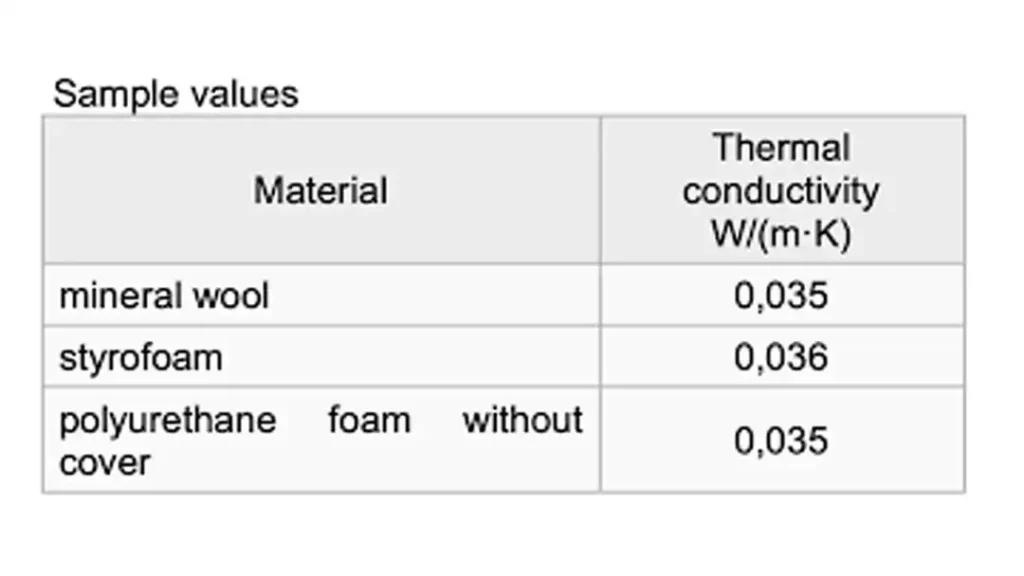
The thermal conductivity of Styrofoam, which is a brand of expanded polystyrene (EPS) foam, typically ranges from about 0.030 to 0.040 W/m·K (watts per meter per Kelvin). This means that Styrofoam is a relatively good insulator, as it has low thermal conductivity.
The low thermal conductivity of Styrofoam is attributed to its structure, which consists of small, closed-cell foam bubbles filled with air. Air is a poor conductor of heat, so the presence of these air pockets within the Styrofoam foam inhibits the transfer of heat through the material.
Styrofoam is commonly used in construction, packaging, and other applications where thermal insulation is necessary to prevent heat transfer. Its low thermal conductivity helps to maintain stable temperatures, conserve energy, and improve the efficiency of heating and cooling systems.
Factors Affecting Thermal Conductivity
Thermal conductivity of materials like EPS and Graphite EPS is influenced by multiple factors. Understanding these factors helps builders and engineers optimize insulation performance, select appropriate materials, and ensure energy-efficient construction. Key factors include material density, moisture content, temperature, and the presence of additives like graphite.
Additives and Enhancements – Additives like graphite reduce thermal conductivity by reflecting radiant heat. The type and concentration of these additives directly affect insulation performance. Graphite EPS, for example, achieves lower thermal conductivity than standard EPS, improving energy efficiency and long-term building comfort.
Material Density – Higher-density EPS generally has slightly lower thermal conductivity, providing better insulation. Denser materials contain fewer air gaps, reducing heat flow. Selecting the right density balances insulation performance, weight, and cost, ensuring efficient energy savings without compromising structural or handling requirements.
Moisture Content – Water increases thermal conductivity in insulation materials, reducing effectiveness. EPS and Graphite EPS resist moisture due to their closed-cell structure, but prolonged exposure or improper installation can affect performance. Proper design and installation maintain consistent thermal resistance over time.
Temperature Variation – Thermal conductivity can change with temperature fluctuations. As temperature rises, some materials conduct heat more easily. Understanding how EPS and Graphite EPS perform under different conditions ensures accurate insulation design and maintains energy efficiency in both hot and cold climates.
Applications of EPS and Graphite EPS
EPS and Graphite EPS are widely used in construction and industrial applications for their excellent insulation properties. Their ability to reduce heat transfer makes them ideal for energy-efficient buildings, refrigerated storage, and packaging.
Graphite EPS offers enhanced performance, providing superior thermal resistance in demanding environments where energy savings are a priority.
- Energy-Efficient EPS Construction Panels – EPS and Graphite EPS are used in insulated concrete forms, sandwich panels, and flooring systems. Graphite EPS, with lower thermal conductivity, allows thinner panels without compromising insulation, supporting sustainable construction and reducing material and energy costs over the building’s lifecycle.
- Building Insulation – Both EPS and Graphite EPS are used in walls, roofs, and floors to improve energy efficiency. They maintain indoor comfort by reducing heat loss in winter and heat gain in summer, helping buildings meet energy codes and lower heating and cooling costs.
- Cold Storage and Refrigeration – EPS materials are commonly used for refrigerated rooms, cold storage panels, and transport containers. Their low thermal conductivity keeps temperatures stable, protecting perishable goods and reducing energy consumption, while Graphite EPS enhances insulation efficiency for stricter temperature control.
- Packaging Applications – EPS protects fragile items during shipping due to its lightweight and cushioning properties. Graphite EPS can also provide additional thermal insulation for temperature-sensitive products, making it suitable for transporting electronics, pharmaceuticals, and food items safely.
Conclusion
Thermal conductivity is a key factor in selecting insulation materials, as it directly affects energy efficiency and indoor comfort. EPS and Graphite EPS provide versatile solutions, with Graphite EPS offering improved performance for demanding applications. Choosing the right material ensures long-term cost savings and sustainable building outcomes.
By understanding the differences between standard EPS and Graphite EPS, architects and builders can make informed decisions for various construction projects. Graphite EPS is particularly suitable for energy-conscious designs, reducing heat transfer and enhancing building performance, while standard EPS remains a reliable option for general insulation needs.
For reliable supply of EPS and Graphite EPS materials, get wholesale options from our Epsole. We offer high-quality insulation products, competitive pricing, and consistent delivery, supporting large-scale construction and manufacturing projects while ensuring your energy efficiency goals are met efficiently.