
Styrofoam, or expanded polystyrene (EPS), is a ubiquitous material known for its lightweight and insulating properties. However, its durability makes it a long-lasting environmental pollutant. While recycling options are limited, there are methods to safely dissolve styrofoam, reducing its volume and simplifying disposal.
This blog explores the chemical processes behind dissolving styrofoam, highlighting common household solvents and industrial-grade solutions. We will guide you through the necessary safety precautions and discuss the environmental implications, helping you manage this stubborn material responsibly.
What Dissolves Styrofoam?
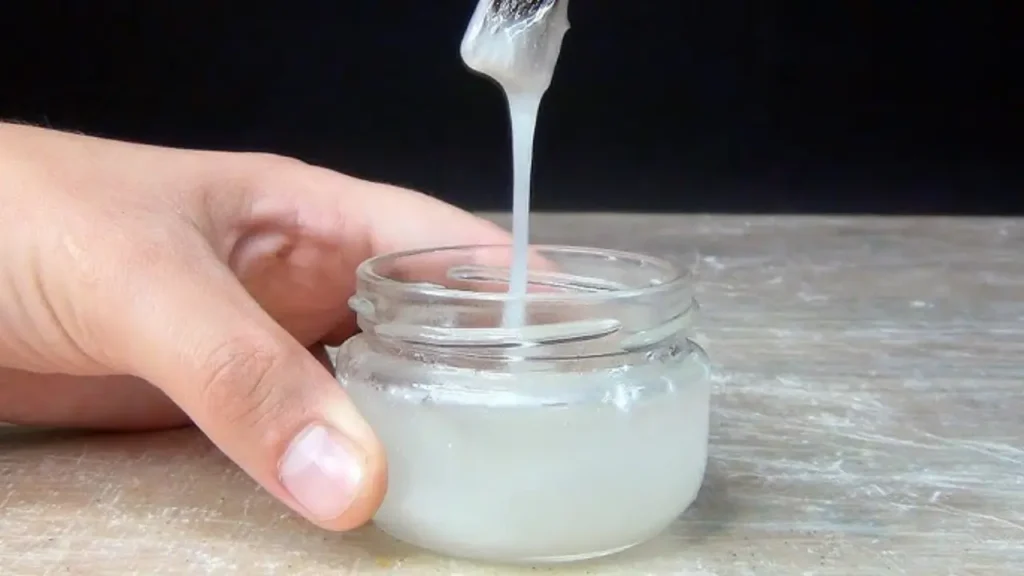
What liquid dissolves styrofoam?
Discovering what dissolves Styrofoam is key to managing this bulky waste. While it seems indestructible, several common substances can break it down efficiently. This process reduces its volume, making disposal or further processing much simpler and more manageable.
- Gasoline: As a petroleum-based product, gasoline contains hydrocarbons that are excellent solvents for polystyrene. However, its flammability and strong fumes make it a dangerous and less recommended option for dissolving styrofoam, except in controlled environments.
- Acetone: A common chemical found in nail polish remover. Acetone breaks down the long polymer chains of polystyrene, causing the styrofoam to rapidly collapse into a thick liquid. It’s a highly effective and fast-acting solvent.
- Limonene: A natural, citrus-based solvent derived from orange peels. Limonene is an eco-friendly option that effectively dissolves styrofoam. It is a powerful degreaser and is often used in industrial cleaning products.
How to Dissolve Styrofoam?
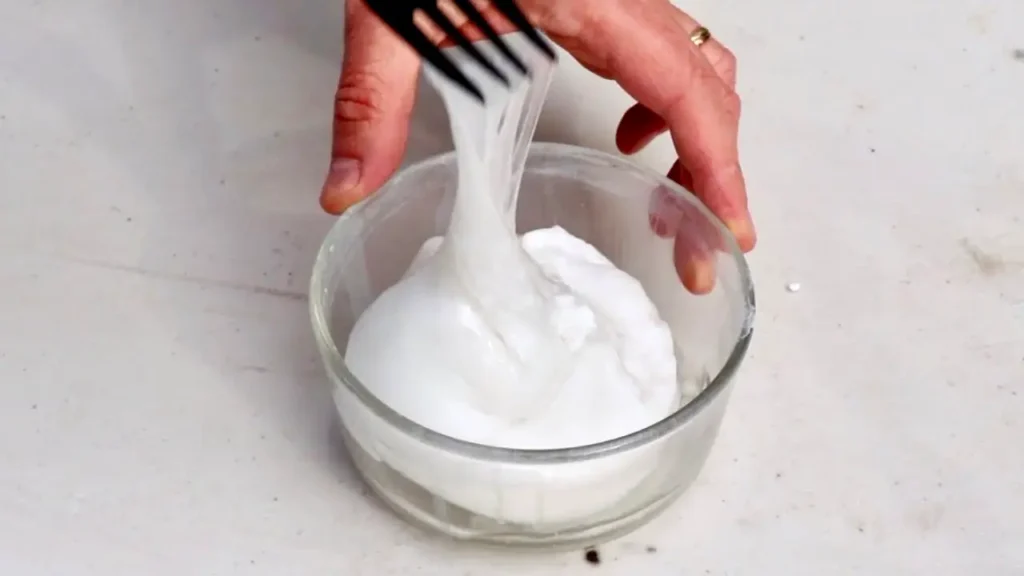
Dissolving Styrofoam can significantly reduce its volume because solvents such as acetone can dissolve its polystyrene structure. However, this process involves flammable chemicals and potentially harmful vapors, so safety must come first.
Below, we explain the basic principles, necessary equipment, and responsible handling considerations for managing Styrofoam waste.
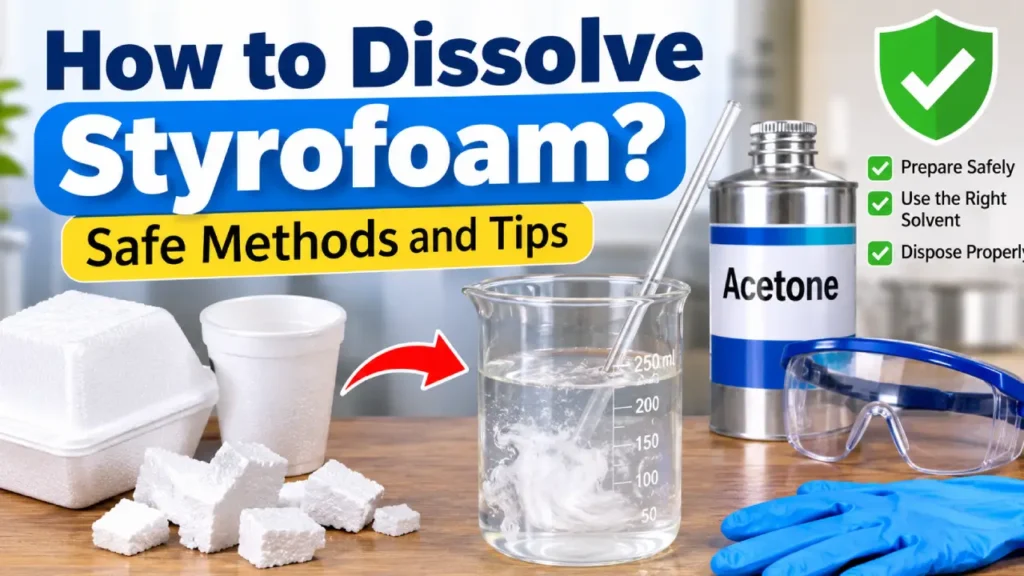
Step 1: Prepare Your Workspace
Choose a suitable workspace designed for handling chemical solvents. Keep the area away from heat sources, sparks, open flames, and incompatible materials. Ensure the working surface is stable and protected against accidental spills. Review the solvent’s safety data sheet before starting any work.
Proper preparation helps reduce the risk of accidental exposure and chemical contamination. For potentially hazardous solvents such as acetone, use an appropriate professional chemical-handling facility with suitable ventilation and fire protection. Avoid performing this experiment in ordinary household spaces or enclosed rooms.
Step 2: Put on Protective Gear
Wear appropriate chemical-resistant gloves, safety goggles, and protective clothing before handling any solvent. Check the manufacturer’s chemical compatibility information to ensure your protective equipment can withstand the selected substance. Ordinary disposable gloves may not provide sufficient protection against certain organic solvents.
Personal protective equipment helps reduce the risk of skin contact and accidental splashes. Respiratory protection, when necessary, must be selected according to a professional exposure assessment. Remember that wearing a face mask does not replace proper ventilation or other essential workplace safety measures.
Step 3: Select a Compatible Container
Choose a container specifically rated for the solvent you intend to handle. Acetone can damage or dissolve certain plastics, so ordinary plastic containers are not suitable. Consult the container manufacturer’s chemical compatibility chart before selecting glass or another approved material.
The container should also be stable, properly labeled, and appropriate for chemical handling. Avoid using food or beverage containers because they can cause accidental ingestion. Keep the container away from incompatible substances and follow the manufacturer’s instructions for storage and handling.
Step 4: Understand the Solvent Compatibility
Different solvents interact with polystyrene in different ways. Acetone can dissolve polystyrene, while certain alternative solvents may produce different results. Before selecting a chemical, review its safety data sheet, environmental hazards, and compatibility with the intended material.
Understanding solvent compatibility helps prevent unexpected chemical reactions and unnecessary exposure. Not every liquid that changes the appearance of Styrofoam actually dissolves polystyrene. Some substances may only soften, swell, or damage the foam without producing the same chemical dissolution process.
Step 5: Understand the Dissolution Process
When polystyrene comes into contact with a compatible solvent, its expanded foam structure collapses. The air pockets disappear from the material, causing a dramatic reduction in volume. This is why a large piece of Styrofoam can leave behind a surprisingly small amount of material.
The resulting mixture still contains polystyrene rather than completely decomposed plastic. The solvent changes how the polymer is dispersed, but it does not eliminate the underlying plastic material. Understanding this difference is important when evaluating waste reduction methods and environmental impacts.
Step 6: Arrange Proper Waste Disposal
Treat any remaining solvent and dissolved polystyrene mixture as chemical waste. Never pour it into household drains, toilets, soil, or outdoor waterways. Keep the material in an approved, compatible, properly labeled waste container according to applicable local requirements.
Contact a licensed hazardous-waste collection service or local waste management authority for disposal instructions. Different solvents have different disposal requirements, so never assume that ordinary household waste collection is appropriate. Proper handling helps prevent chemical contamination and protects surrounding environments.
Important: The steps above focus on safe preparation, material compatibility, and waste management rather than providing a home solvent-mixing procedure. Acetone is highly flammable, and dissolving Styrofoam does not make the resulting plastic mixture environmentally harmless.
Why Does Styrofoam Dissolve in Acetone?

Styrofoam dissolves in acetone because its main component, polystyrene, has a chemical structure that interacts with this organic solvent. Acetone breaks down the foam’s expanded structure, causing it to collapse and release trapped air. Interestingly, the material does not simply disappear. Understanding this reaction requires looking at how Styrofoam is made and how acetone interacts with it.
1. Styrofoam Contains a Large Amount of Trapped Air
Expanded polystyrene (EPS) consists of tiny polystyrene beads containing numerous air pockets. Air makes up most of its volume, giving Styrofoam its lightweight and bulky structure. This explains why a small amount of solid polystyrene can create a surprisingly large foam product.
2. Acetone Can Dissolve Polystyrene
Acetone is an organic solvent that can dissolve polystyrene. Its chemical properties allow it to interact with the polymer chains, weakening the forces that hold the material together. As a result, the solid polystyrene becomes dispersed in the acetone.
3. Acetone Breaks Down the Foam Structure
When Styrofoam comes into contact with acetone, the solvent penetrates the foam and dissolves its polystyrene structure. The tiny air pockets collapse as the material loses its expanded shape. This process causes the foam to shrink rapidly into a much smaller mass.
4. Styrofoam Shrinks Dramatically During Dissolution
One of the most surprising effects is the dramatic reduction in volume. Since EPS contains so much trapped air, removing its expanded structure leaves behind a relatively small amount of polystyrene. The material appears to disappear, but its polymer content remains.
5. The Polystyrene Material Does Not Disappear
Dissolving Styrofoam in acetone is not the same as completely decomposing or destroying it. The polystyrene remains present in the resulting mixture. If the acetone evaporates, the dissolved polymer can remain as a solid residue.
Safety note: Acetone is highly flammable and produces vapors that can irritate the eyes and respiratory system. Avoid experimenting near flames, sparks, or heat sources. Use appropriate ventilation and chemical-resistant gloves, and follow local hazardous-waste disposal requirements.
Does Styrofoam Dissolve in Water?
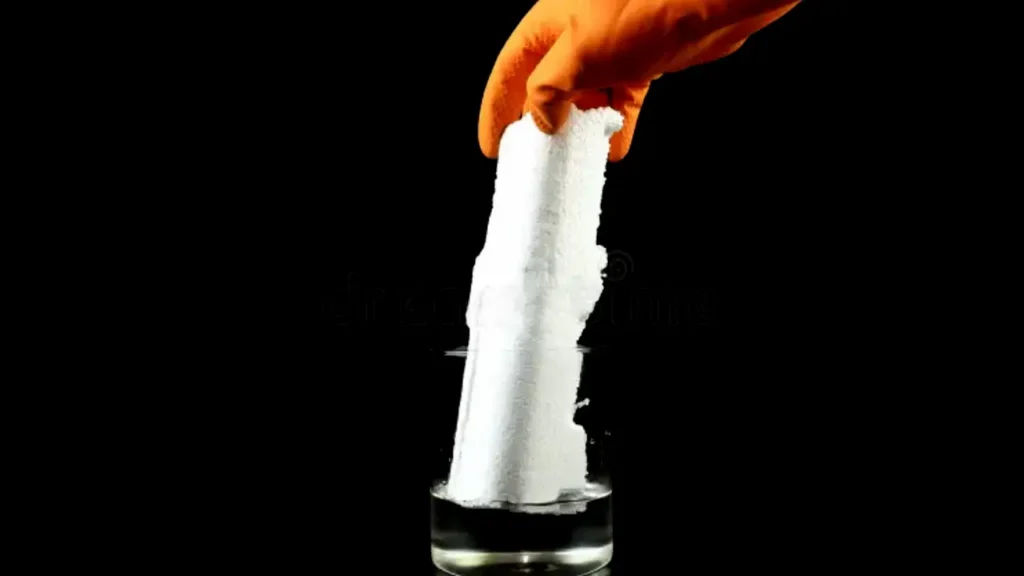
No, Styrofoam does not dissolve in water.
This is because Styrofoam, or expanded polystyrene, is a non-polar polymer, while water is a polar solvent. The “like dissolves like” principle of chemistry dictates that a non-polar substance will not dissolve in a polar substance.
Therefore, water simply coats the Styrofoam without breaking down its molecular structure, leaving the material intact.
- Biodegradable Alternatives: Some packing peanuts, which look like Styrofoam, are actually made of starch and will dissolve in water. These are a different material and not true Styrofoam.
- Polarity Mismatch: The fundamental reason is the chemical incompatibility between the two. Water’s polar molecules cannot effectively break the bonds holding the non-polar polystyrene chains together.
- Density: Because Styrofoam is mostly air, it is less dense than water and floats. This physical property further prevents the water from having any significant effect on the material.
What to Do With Dissolved Styrofoam?
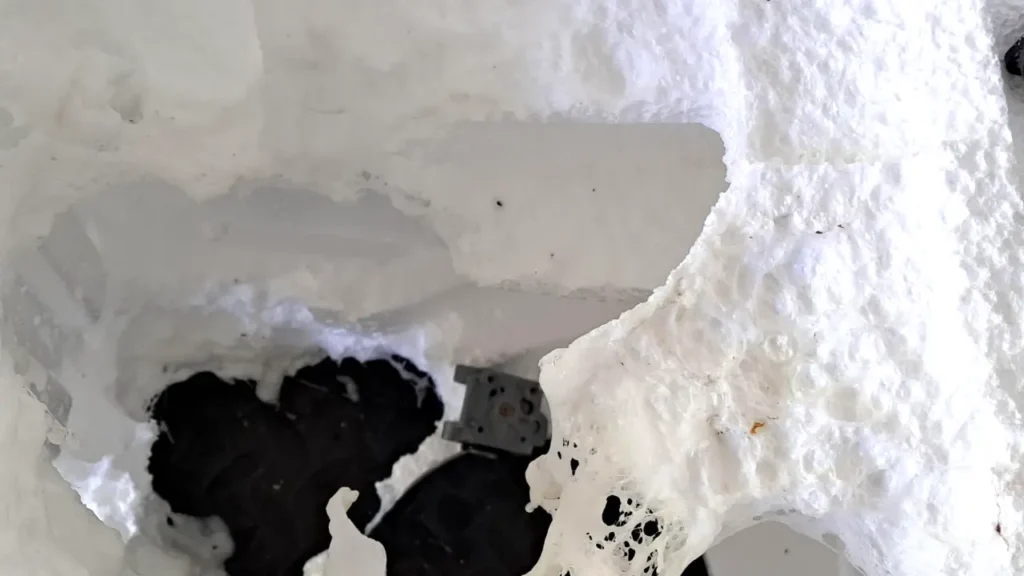
Dissolved Styrofoam, now a thick, viscous goo, presents a new set of challenges for disposal. This material, essentially concentrated polystyrene and solvent, is classified as a hazardous chemical waste and cannot be simply thrown in the trash or poured down a drain.
Proper handling is crucial to avoid environmental contamination and comply with local regulations. The best practices depend on your location and the specific solvent used, but typically involve specialized chemical waste disposal.
- Contact Local Authorities: Always check with your local waste management or environmental agency for specific guidelines. Regulations vary widely, and they can provide the most accurate and safe instructions for disposing of the material in your area.
- Hazardous Waste Disposal: The most common and safest method is to take the dissolved Styrofoam to a local hazardous waste collection facility. These centers are equipped to handle and process such materials safely, ensuring they do not pollute the environment.
- Evaporate the Solvent: In some controlled environments, you can allow the solvent (like acetone) to evaporate, leaving behind solid polystyrene. This solid can then potentially be recycled by specialized facilities that accept concentrated polystyrene.
Dissolved Styrofoam Applications
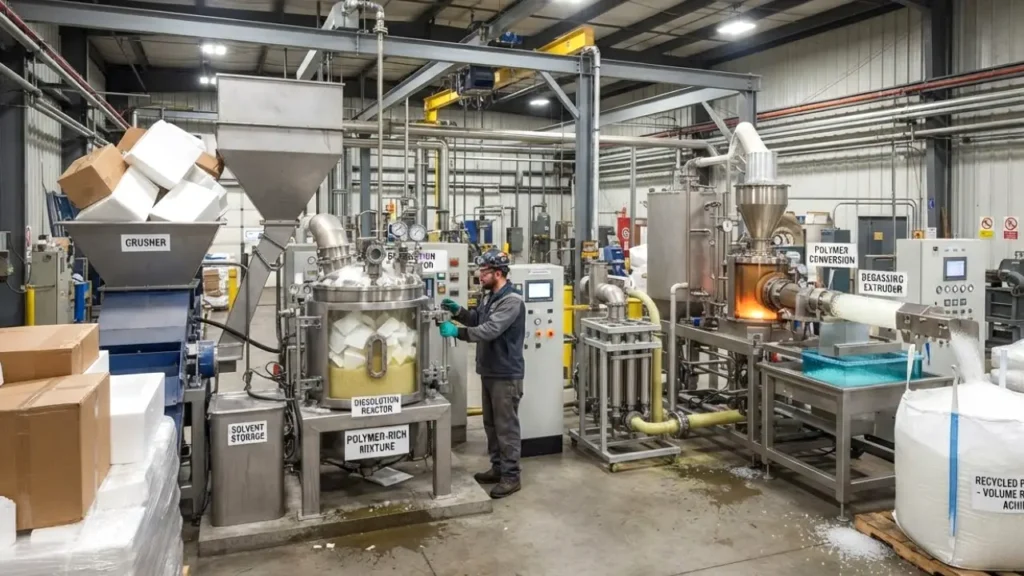
Dissolved Styrofoam, or polystyrene mixed with a suitable solvent, can have several practical uses in manufacturing, recycling, crafts, and material processing. Although the foam appears to disappear, its polymer remains in the mixture. Understanding these applications can help businesses and users identify useful ways to handle and process Styrofoam waste.
Waste-volume reduction: One potential benefit of solvent-based processing is reducing the physical volume of bulky Styrofoam waste. This can make collection and transportation more manageable. For commercial waste handling, dedicated recycling or compaction systems are generally preferable because they avoid unnecessary exposure to flammable solvents.
Polystyrene recycling: Dissolving Styrofoam can dramatically reduce its volume, making the material easier to collect, transport, and process. Because expanded polystyrene contains mostly air, removing its foam structure can significantly reduce storage space. Specialized recycling operations can then recover or reprocess the remaining polystyrene under controlled industrial conditions.
Adhesive and coating research: Dissolved polystyrene can form a polymer-rich mixture that has been explored for adhesive and coating applications. The resulting material may create a film after the solvent evaporates. However, formulation, solvent compatibility, ventilation, and fire safety must be carefully considered before any practical use.
Material processing: Converting expanded polystyrene into a more compact polymer solution can make transportation and subsequent processing more efficient. Manufacturers and recyclers may use controlled solvent-based processes to reduce foam volume before recovering the polymer. Industrial systems generally require appropriate equipment to safely manage volatile solvents and emissions.
Craft and model making: In controlled hobby or educational settings, the interaction between Styrofoam and acetone can demonstrate polymer-solvent behavior. The dramatic volume reduction makes it a useful science demonstration. However, acetone is highly flammable, so experiments should be performed with proper ventilation, protective equipment, and adult supervision.
Can Fish Oil Dissolve Styrofoam?
Yes, fish oil can dissolve Styrofoam. The principle behind this is “like dissolves like.” Both fish oil and Styrofoam (polystyrene) are non-polar compounds. The specific rate of dissolution depends on the type of fish oil; those with higher concentrations of ethyl esters dissolve Styrofoam faster than triglyceride-based fish oils.
Does Alcohol Dissolve Styrofoam?
No, common alcohols like isopropyl alcohol and ethanol do not dissolve Styrofoam. While some stronger chemicals are effective, the polarity of alcohol doesn’t align with the non-polar nature of polystyrene, so it fails to break down its polymer structure.
Does Bleach Dissolve Styrofoam?
No, bleach does not dissolve Styrofoam. Bleach, a chemical agent for cleaning and disinfecting, is a polar solvent. Since Styrofoam is a non-polar polymer, bleach does not have the chemical properties to break down its structure. It will have little to no effect on the material.
Does Gasoline Dissolve Styrofoam?
Yes, gasoline can dissolve Styrofoam. As a mixture of hydrocarbons, gasoline acts as an effective solvent for polystyrene, the main component of Styrofoam. This process breaks down the foam’s structure, releasing trapped air and turning it into a viscous, gel-like substance. However, due to its extreme flammability and toxicity, using gasoline for this purpose is highly dangerous and not recommended.
Does Hydrogen Peroxide Dissolve Styrofoam?
No, hydrogen peroxide does not dissolve Styrofoam. The chemical properties of hydrogen peroxide, a polar compound, are not compatible with the non-polar nature of polystyrene. Therefore, it lacks the ability to break down the polymer chains of Styrofoam, leaving the material unaffected.
Does Motor Oil Dissolve Styrofoam?
No, motor oil does not dissolve Styrofoam. While both are non-polar, motor oil’s larger molecules are not effective at breaking down the polystyrene polymer chains. Unlike solvents like acetone or gasoline, motor oil will simply coat the Styrofoam without causing it to collapse or dissolve.
Does Spray Paint Dissolve Styrofoam?
Yes, most regular spray paints will dissolve Styrofoam. The solvents and propellants used in aerosol cans, such as acetone or xylene, are highly effective at breaking down the polystyrene polymer chains. This causes the Styrofoam to melt or corrode, leaving a pitted, uneven surface.
Does Nail Polish Remover Dissolve Styrofoam?
Yes, nail polish remover dissolves Styrofoam. The active ingredient in most nail polish removers is acetone, a powerful solvent for polystyrene. When applied, the acetone quickly breaks down the foam’s polymer structure, releasing the trapped air and causing it to collapse into a thick, gooey substance.
Conclusion
Dissolving styrofoam offers a practical solution to a common waste problem. By using appropriate solvents, you can significantly reduce the volume of EPS waste, making it easier to handle and dispose of. Always prioritize safety by wearing protective gear and working in a well-ventilated area. This method provides an alternative when traditional recycling facilities for EPS are not available.
While dissolving styrofoam is effective, it’s not the ultimate solution. A more sustainable approach is to reduce our reliance on styrofoam products and choose reusable alternatives. We must also advocate for better recycling infrastructure and support companies that are developing innovative ways to manage plastic waste.
For businesses looking to handle styrofoam on a larger scale, consider investing in the right equipment. You can find wholesale styrofoam making machines and other related products at Epsole.com. We provide a wide range of solutions to help you manage your production and waste efficiently and responsibly.