
EPS densifier machines play an important role in improving the recycling efficiency of expanded polystyrene materials. By compressing bulky EPS waste into dense blocks, these machines help reduce storage space, transportation costs, and environmental impact. In this ultimate guide, we will explore how EPS densifiers work, their benefits, applications, and selection tips.
With increasing demand for sustainable waste management solutions, EPS densifier machines have become essential equipment for recycling companies and manufacturers. They provide an effective way to process discarded foam products, improve resource utilization, and support eco-friendly practices. This guide will help you understand everything about EPS densifier machines before investing.
What Is EPS Densifier
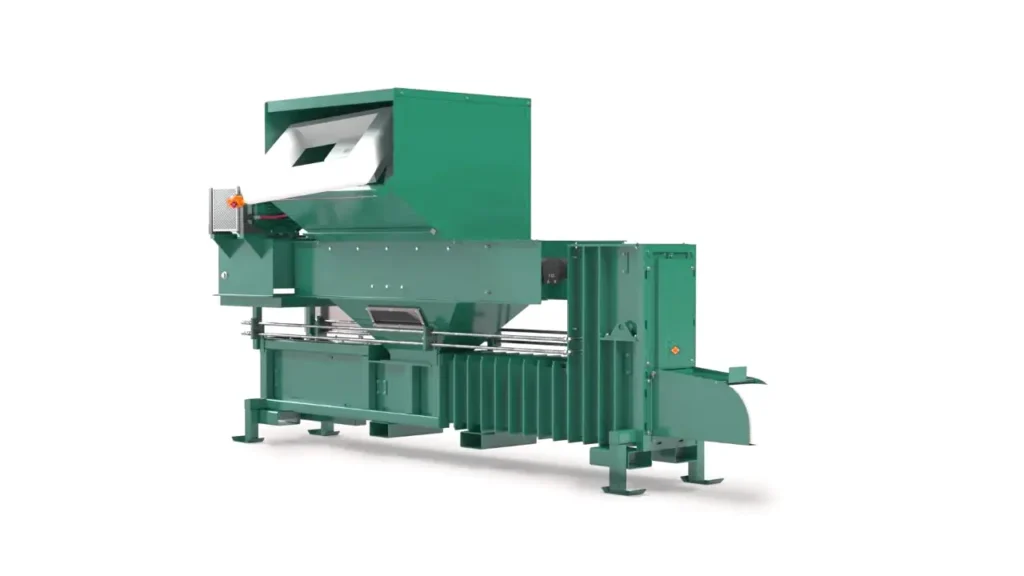
An EPS densifier, also EPS densifier machine, short for Expanded Polystyrene densifier, is a specialized machine designed to compact and reduce the volume of expanded polystyrene foam, commonly known as EPS or Styrofoam.
EPS foam is lightweight and widely used in packaging, insulation, and construction, but its low density makes it difficult to store, transport, and recycle efficiently.
EPS densifiers employ a combination of heat and pressure to compress EPS foam into denser forms, such as blocks or logs. The process involves feeding the EPS foam into the machine, where it undergoes compression, melting, extrusion, and cooling. The result is a significant reduction in volume, with densified EPS blocks or logs ready for storage, transportation, or recycling.
These machines are available in various sizes and configurations, suitable for small businesses, recycling facilities, or large industrial operations. EPS densifiers offer several benefits, including volume reduction, cost savings on waste disposal and transportation, and promoting environmental sustainability by diverting EPS foam from landfills and promoting recycling
How EPS Densifiers Work
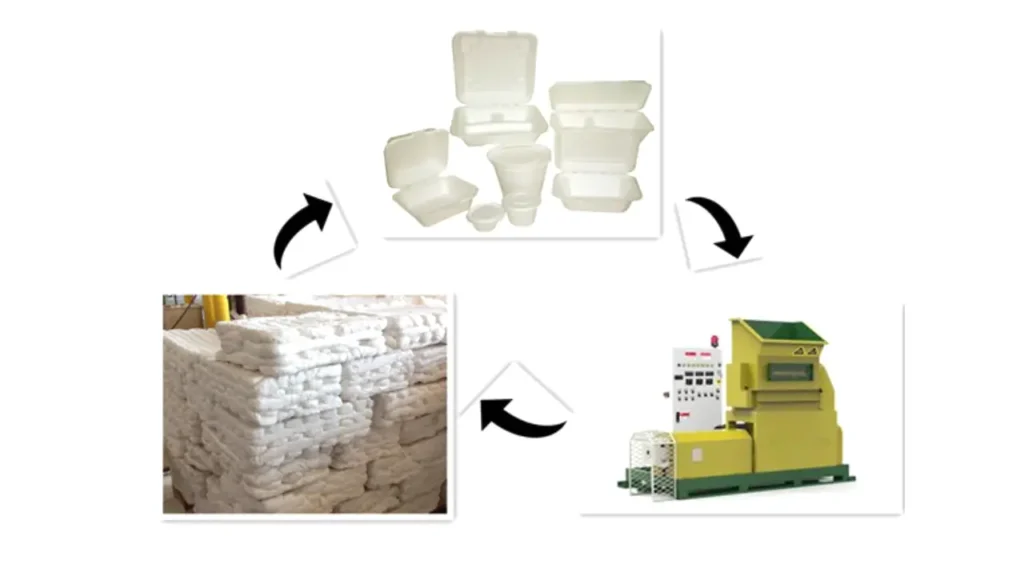
EPS densifiers work by employing a combination of heat and pressure to compress expanded polystyrene (EPS) foam into denser forms, reducing its volume for easier storage, transportation, and recycling.
Here’s how EPS densifiers work:
Step 1: Collection and Preparation:
EPS foam waste, sourced from various sources such as packaging, electronics, or construction, is collected and prepared for densification. This may involve sorting and cleaning the foam to remove contaminants like dirt, tape, or labels, ensuring better compression and higher-quality output.
Step 2: Densification Process:
Compression: The prepared EPS foam is fed into the densifier machine, where it undergoes compression under controlled pressure.
Heating: Heat is applied to the EPS foam, causing it to soften and expand. This step facilitates the compression process by making the foam more pliable.
Extrusion: The softened EPS foam is forced through a die or chamber within the densifier, where it is compacted into denser forms such as blocks or logs. The pressure applied during extrusion further compresses the foam, reducing its volume significantly.
Cooling: Once compressed, the densified EPS foam is allowed to cool and solidify into its new shape, maintaining its denser form.
Step 3: Output:
The densified EPS blocks or logs are then ready for storage, transportation, or recycling. Depending on local recycling facilities, the densified EPS may be further processed into raw material for manufacturing new products.
EPS densifiers come in various sizes and configurations, ranging from small-scale units suitable for businesses to large industrial machines used by recycling facilities. They offer several benefits, including volume reduction, cost savings on waste disposal and transportation, and promoting environmental sustainability by diverting EPS foam from landfills and encouraging recycling.
What Is Densified EPS?
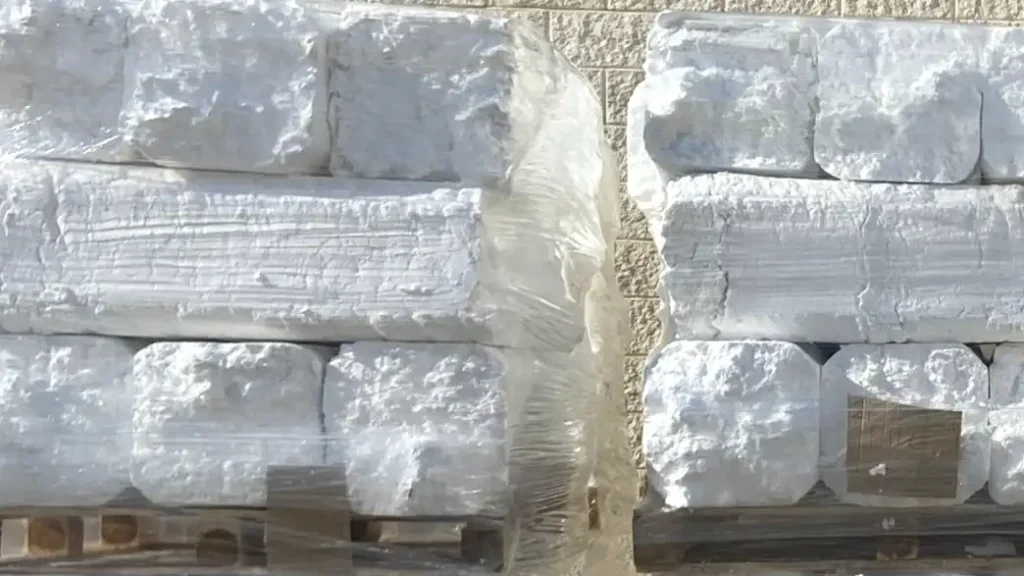
Densified EPS stands for Densified Expanded Polystyrene. Expanded Polystyrene (EPS) is a lightweight, rigid, cellular plastic material commonly used in packaging and insulation. Densified EPS is a form of EPS that has undergone a densification process, which compresses the material to increase its density.
This densification process involves applying heat and pressure to the EPS foam, causing the individual foam beads to fuse together more tightly. As a result, densified EPS has a higher density compared to standard EPS, making it stronger and more durable.
Densified EPS is often used in applications where higher strength and durability are required, such as in construction for insulation boards or in packaging for products that need extra protection during shipping and handling.
Benefits of EPS Densifier
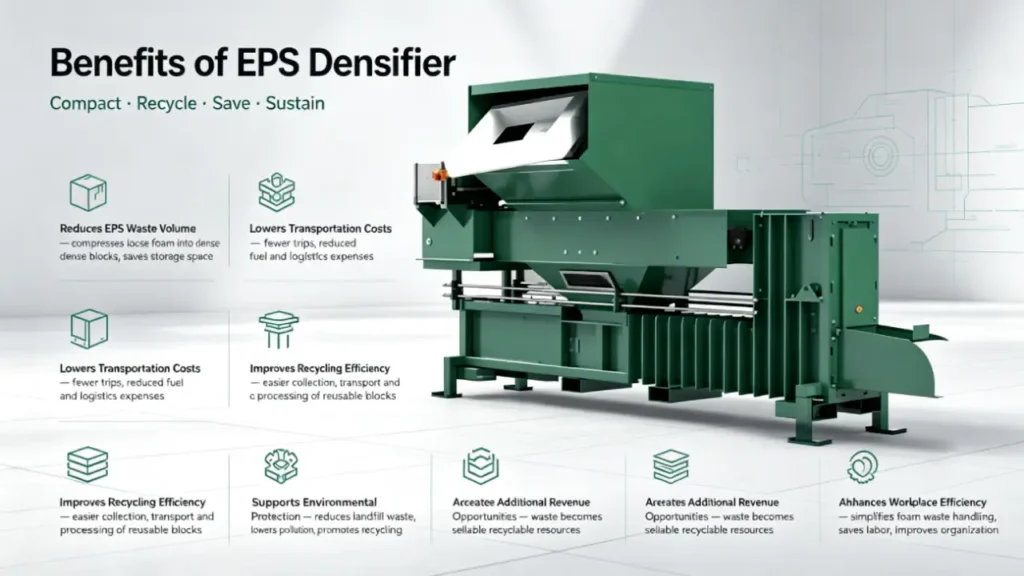
EPS densifier machines provide an efficient solution for processing and recycling expanded polystyrene waste. By compressing bulky foam materials into compact blocks, these machines help businesses save storage space, reduce transportation costs, and improve recycling efficiency.
With strong performance and easy operation, EPS densifiers are becoming an important choice for sustainable waste management.
Enhances Workplace Efficiency: EPS densifiers simplify the handling process of large amounts of foam waste. With automated compression and efficient operation, workers can save time and reduce manual labor requirements. This improves workplace productivity and allows companies to maintain cleaner and more organized waste management areas.
Reduces EPS Waste Volume: EPS densifiers significantly reduce the volume of expanded polystyrene waste by compressing loose foam materials into dense blocks. This makes waste easier to store, handle, and transport. Businesses can manage large amounts of EPS waste more efficiently while reducing the space required for storage.
Lowers Transportation Costs: By compacting EPS waste into high-density blocks, densifier machines reduce the number of transportation trips needed. This helps businesses save fuel expenses and logistics costs while improving transportation efficiency. The compacted materials are also easier to load, unload, and transfer between recycling facilities.
Improves Recycling Efficiency: EPS densifiers help recycling companies process foam waste more effectively by converting lightweight materials into reusable forms. The compressed blocks can be collected, transported, and recycled more conveniently, increasing resource recovery rates and supporting environmentally friendly recycling operations.
Supports Environmental Protection: Using an EPS densifier helps reduce the amount of foam waste sent to landfills. By promoting recycling and reuse, these machines contribute to lower environmental pollution and encourage sustainable waste management practices. They help businesses achieve greener production goals and improve their environmental performance.
Creates Additional Revenue Opportunities: EPS densifier machines allow businesses to transform waste materials into valuable recyclable resources. The compressed EPS blocks can be sold to recycling companies or manufacturers for further processing. This creates new income opportunities while reducing waste disposal expenses and improving overall business profitability.
Types of EPS Densifier
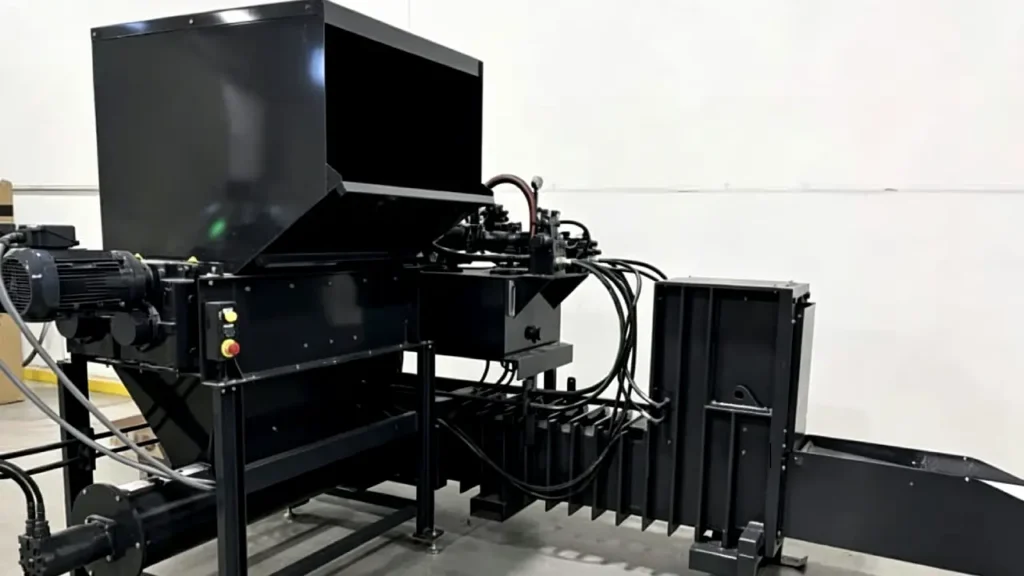
EPS densifier machines come in different types to meet various recycling needs and processing requirements. Depending on the working method, capacity, and application environment, businesses can choose suitable equipment for handling expanded polystyrene waste. Understanding the different types of EPS densifiers helps companies select the right solution to improve recycling efficiency and reduce operational costs.
Automatic EPS Densifier: Automatic EPS densifiers are equipped with advanced control systems to simplify operation and improve productivity. They can automatically complete feeding, compression, and processing tasks with minimal manual involvement. This type is suitable for companies looking for efficient, reliable, and labor-saving EPS recycling equipment.
Screw Type EPS Densifier: Screw type EPS densifiers use rotating screws to crush, compress, and compact EPS waste into dense blocks. They are widely used because of their stable performance, continuous operation, and high processing efficiency. This type is suitable for recycling centers and businesses with large amounts of foam waste.
Hot Melt EPS Densifier: Hot melt EPS densifiers use heat and compression to melt and reduce the volume of expanded polystyrene materials. The processed material becomes dense and easy to handle. This type is ideal for applications requiring significant volume reduction and efficient recycling of different EPS waste products.
Cold Compression EPS Densifier: Cold compression EPS densifiers compact foam waste without using high temperatures. They rely on mechanical pressure to compress EPS materials into solid blocks. This type provides a simple and energy-efficient solution for businesses that need effective waste reduction while maintaining the original material properties.
Vertical EPS Densifier: Vertical EPS densifiers feature an upright structure that saves floor space and allows convenient installation in limited areas. They are suitable for small and medium-sized recycling operations. Their compact design makes them a practical choice for businesses with lower waste volumes or restricted working spaces.
Horizontal EPS Densifier: Horizontal EPS densifiers are designed for continuous processing and large-scale recycling operations. Their horizontal structure allows easier feeding of bulky foam materials and improves production efficiency. This type is commonly used in industrial facilities that require high-capacity EPS waste processing solutions.
EPS Densifier Applications
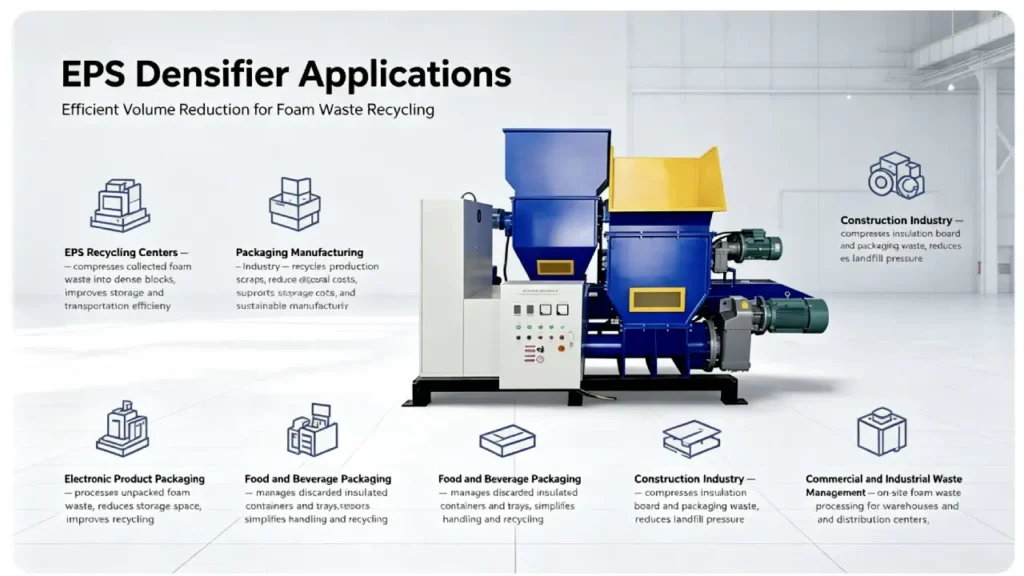
EPS densifier machines are widely used in industries that generate large amounts of expanded polystyrene waste. By compressing lightweight foam materials into compact blocks, these machines make recycling, storage, and transportation more efficient. From packaging factories to recycling centers, EPS densifiers provide a practical solution for reducing waste volume and improving resource utilization.
- Commercial and Industrial Waste Management: Large businesses, warehouses, and distribution centers often accumulate EPS packaging waste. Installing an EPS densifier allows them to manage foam waste efficiently on-site. It reduces storage space requirements, lowers waste disposal costs, and improves overall environmental performance through better recycling practices.
- EPS Recycling Centers: EPS recycling facilities use densifier machines to process collected foam waste from various sources. The equipment compresses large volumes of EPS materials into dense blocks, making storage and transportation easier while improving recycling efficiency. This helps recycling companies reduce operational costs and increase material recovery rates.
- Packaging Manufacturing Industry: Packaging manufacturers often generate significant amounts of EPS scraps during production. EPS densifiers help these companies recycle leftover foam materials by compacting waste into reusable forms. This reduces disposal expenses, minimizes waste, and supports more sustainable manufacturing processes within the packaging industry.
- Electronic Product Packaging: The electronics industry uses EPS packaging to protect fragile products during transportation. After unpacking, large amounts of foam waste are produced. EPS densifier machines allow businesses to efficiently process these materials, reduce waste storage requirements, and improve recycling efforts for environmentally responsible operations.
- Food and Beverage Packaging: EPS foam is commonly used for insulated food containers, trays, and boxes. Businesses in this sector can use EPS densifiers to manage discarded packaging materials effectively. The machines help reduce waste volume, simplify handling, and create recyclable materials for further processing.
- Construction Industry: Construction projects may generate EPS waste from insulation boards, protective packaging, and other foam products. EPS densifier machines help contractors and recycling companies compress these materials, making transportation easier and reducing landfill pressure while promoting sustainable construction waste management practices.
Conclusion
EPS densifier machines provide an efficient and practical solution for recycling expanded polystyrene waste. By reducing the volume of EPS materials and converting them into reusable blocks, these machines help businesses lower transportation expenses, improve recycling efficiency, and contribute to a more sustainable future. Choosing the right machine can bring long-term economic and environmental benefits.
When selecting an EPS densifier machine, it is important to consider factors such as processing capacity, energy efficiency, machine quality, and after-sales support. A reliable supplier can provide customized solutions based on your recycling requirements. With advanced technology and professional service, businesses can achieve better performance and maximize their recycling operations.
If you are looking for reliable EPS recycling equipment, Epsole provides high-quality EPS densifier machines designed for efficient foam waste processing. We offer professional solutions to help customers improve recycling productivity and reduce waste management costs. Contact us today to get wholesale EPS densifier machines from Epsole and upgrade your recycling business.