
EPS seed trays are widely used in nurseries, greenhouses, and commercial agriculture to support efficient seed germination and healthy seedling development. Made from expanded polystyrene, these lightweight trays provide convenient planting cells, good insulation, and easy handling for growers managing different types of plants.
In this guide, we will explain what an EPS seed tray is, how it works, its main benefits, common applications, and the factors to consider when choosing one. Whether you are a professional grower or a distributor, understanding EPS seed trays can help you improve propagation efficiency and make better purchasing decisions.
What is an EPS Seed Tray?
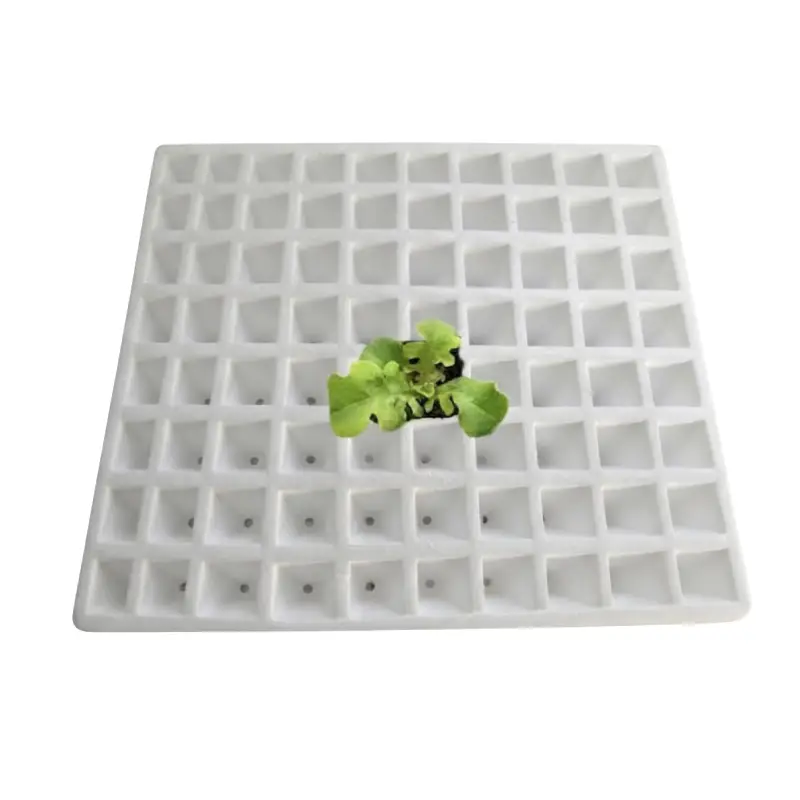
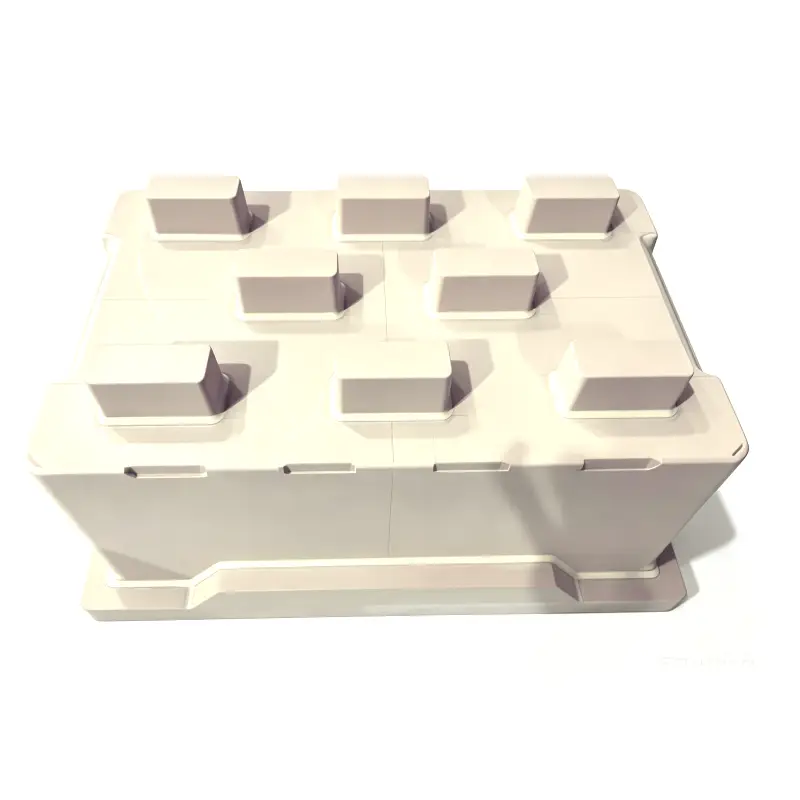
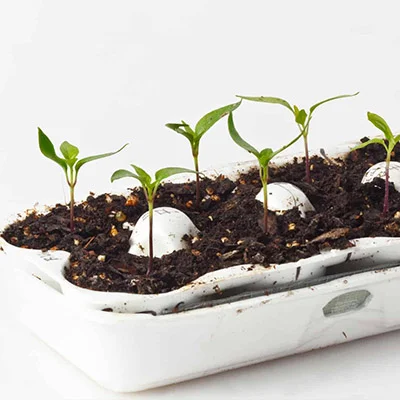
An EPS seed tray is a planting container made from expanded polystyrene (EPS) foam and designed for seed germination and seedling cultivation. It features multiple individual cells that hold growing media and seeds separately, helping growers organize seedlings efficiently. Its lightweight structure also makes EPS seed trays easy to handle, transport, and use in nurseries and greenhouses.
EPS Seed Tray Benefits
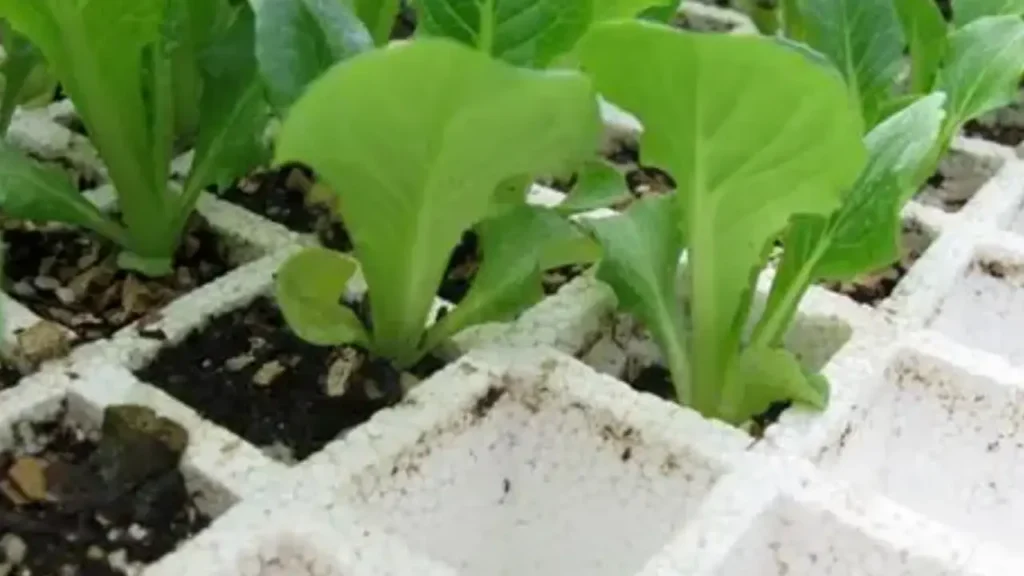
EPS seed trays are widely used for seed germination and seedling cultivation because they combine lightweight construction with practical growing performance.
Their foam structure provides insulation, while individual cells help organize seedlings and reduce root competition. For nurseries, greenhouses, and commercial growers, EPS trays can make propagation more efficient and convenient.
- Convenient for Commercial Nurseries: We design EPS seed trays for efficient handling in professional growing environments. Their standardized cell layouts make it easier for growers to organize batches, manage planting schedules, and transport seedlings, making them particularly useful for greenhouse and commercial nursery production.
- Excellent Thermal Insulation: We use EPS foam to provide good thermal insulation around the root zone. This helps reduce the impact of sudden temperature changes and creates a more stable environment for developing seedlings, particularly when trays are used in greenhouses or nurseries.
- Lightweight and Easy to Handle: We design EPS seed trays to be lightweight, making them convenient to move, stack, and transport. Growers can easily transfer large numbers of seedlings between propagation areas, greenhouses, and planting locations while reducing handling effort.
- Promotes Organized Seedling Growth: We provide trays with multiple individual cells that separate seeds and seedlings during early growth. This arrangement helps reduce competition for space and growing media while making it easier to manage, monitor, and transplant individual seedlings.
- Protects Young Roots: We manufacture EPS trays with dedicated growing cells that help keep developing root systems separated. When seedlings are ready for transplanting, their roots can be removed more systematically, potentially reducing unnecessary disturbance and supporting smoother transplantation.
- Suitable for Various Crops: We offer EPS seed trays in different cell configurations and sizes to accommodate different crops and propagation requirements. They can be used for vegetables, flowers, herbs, and other plants, making them a versatile option for nurseries and commercial growers.
- Cost-Effective for Large-Scale Production: We provide EPS seed trays as a practical option for growers handling large quantities of seedlings. Their lightweight design, multiple-cell structure, and availability in different specifications can help improve propagation organization while supporting efficient nursery operations.
How Are EPS Seed Trays Made?
EPS seed trays are manufactured through a controlled molding process that transforms expanded polystyrene beads into lightweight trays with multiple planting cells. The process involves raw material preparation, pre-expansion, molding, cooling, trimming, and quality inspection. Each stage affects the tray’s density, strength, dimensions, cell structure, and overall performance during seedling cultivation.
Tools Needed
- EPS raw material beads
- EPS pre-expander machine
- EPS seed tray mold
- Steam molding machine
- Cooling and vacuum system
- Cutting and trimming tools
- Quality inspection equipment
Step 1: Prepare EPS Raw Materials
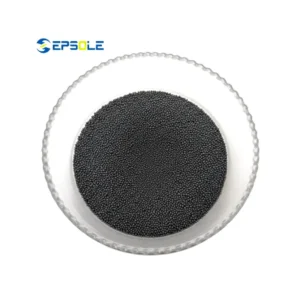
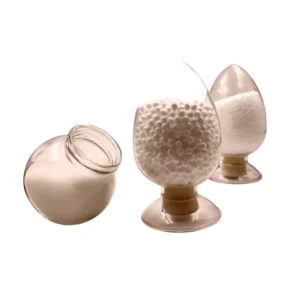
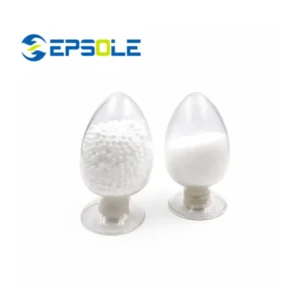
Manufacturers first prepare expandable polystyrene (EPS) beads with suitable density and specifications. We select appropriate raw materials according to the required tray strength, weight, insulation performance, and application. Proper material preparation provides a consistent foundation for producing uniform EPS seed trays with reliable physical properties and accurate dimensions.
Step 2: Pre-Expand EPS Beads
We place the EPS beads into a pre-expander machine, where controlled steam and heat cause them to expand significantly. The expansion process creates lightweight foam particles containing tiny air cells. We carefully control temperature, pressure, and expansion ratio to achieve the required density for the finished seed tray.
Step 3: Stabilize the Expanded Beads
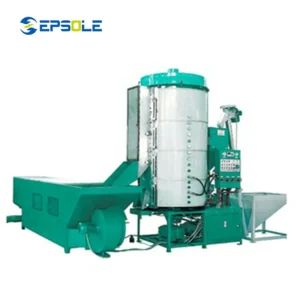

After pre-expansion, we allow the expanded EPS beads to stabilize before molding. During this stage, air gradually enters the foam particles and helps them reach a more balanced internal pressure. Proper stabilization improves bead bonding, dimensional consistency, and molding performance while reducing potential deformation in the finished tray.
Step 4: Fill the Seed Tray Mold
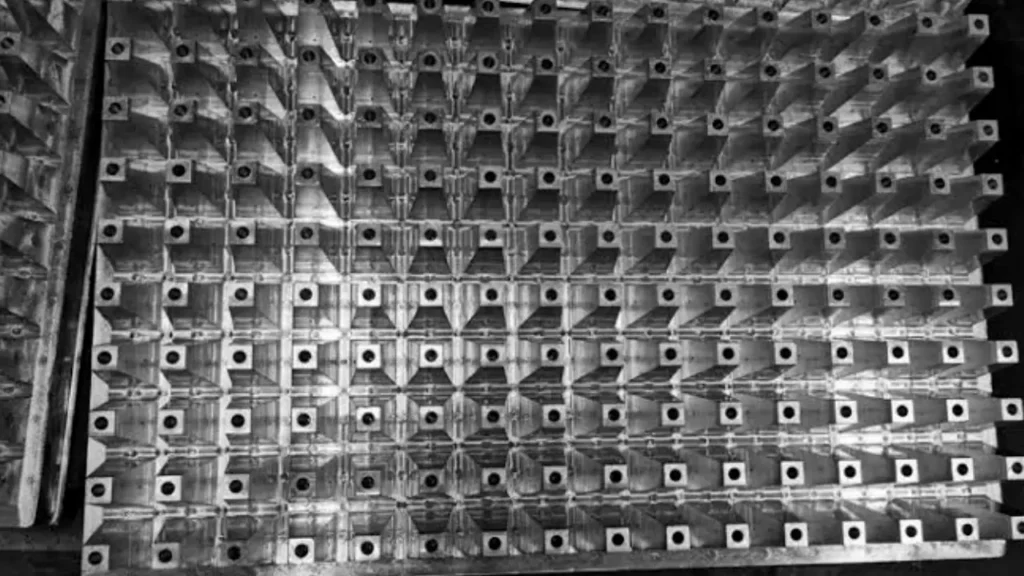
We transfer the stabilized EPS beads into a specially designed seed tray mold. The mold determines the tray’s overall dimensions, cell number, cell depth, wall thickness, and structural details. Accurate filling ensures that the beads are distributed evenly throughout the mold before the molding process begins.
Step 5: Steam Mold the Tray
We introduce controlled steam into the mold to heat and fuse the expanded EPS beads together. As the beads bond, they form the complete seed tray shape, including individual planting cells. Precise steam pressure, temperature, and molding time are essential for achieving strong, uniform, and dimensionally stable trays.
Step 6: Cool and Demold the Tray
After molding, we cool the EPS seed tray using water or vacuum-assisted cooling systems. Cooling helps stabilize the foam structure and prevent deformation. Once the tray reaches a suitable temperature, we carefully open the mold and remove the finished tray without damaging its cells or edges.
Step 7: Trim and Finish the Tray
We inspect the molded tray and remove excess foam, flashing, or uneven edges created during production. Trimming gives the tray a cleaner appearance and helps ensure that its dimensions meet specifications. We also check planting cells to confirm that they are properly formed and free from significant defects.
Step 8: Inspect and Package the Trays
Finally, we conduct quality inspections covering dimensions, weight, density, cell structure, appearance, and overall durability. We separate products that do not meet specifications before packaging the qualified trays. Proper packaging protects EPS seed trays during storage and transportation, ensuring they arrive ready for distribution or agricultural use.
EPS Seed Tray Applications
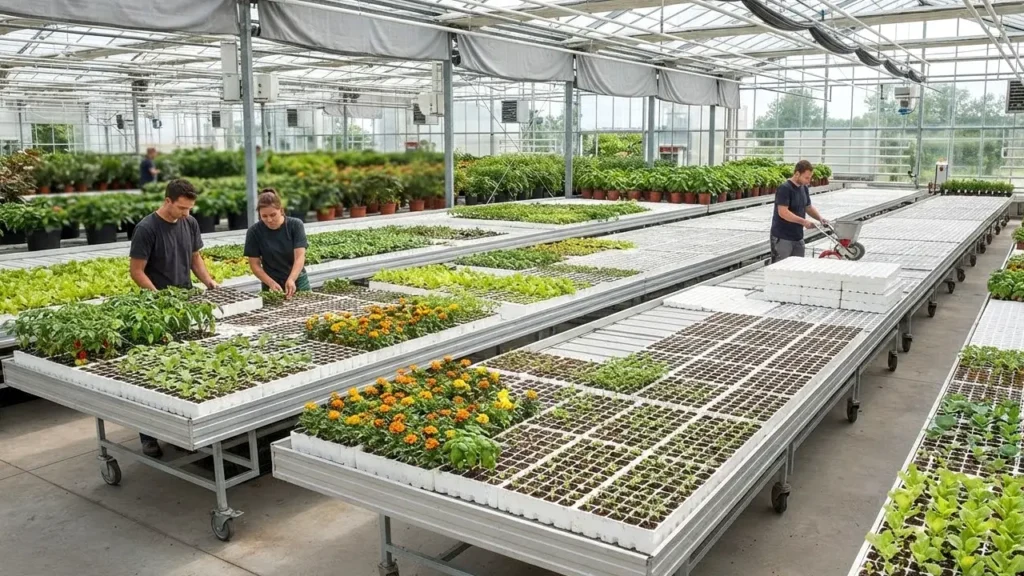
EPS seed trays are suitable for many seed propagation and plant-growing environments. Their lightweight structure, individual cells, and thermal insulation make them practical for both small-scale growers and commercial operations. We can customize tray sizes, cell numbers, and configurations to meet different crop requirements, making EPS seed trays a versatile solution for modern horticulture.
Large-Scale Agricultural Seedlings: We use EPS seed trays in agricultural operations that require thousands of seedlings for field planting. Their lightweight construction and multi-cell design allow growers to produce, move, and manage large quantities of young plants efficiently before transferring them to their final growing locations.
Vegetable Seedling Cultivation: We use EPS seed trays for propagating vegetables such as tomatoes, peppers, lettuce, cabbage, and cucumbers. Individual cells provide dedicated growing spaces for young plants, helping growers organize seedlings efficiently and prepare them for later transplantation into fields, greenhouses, or larger growing systems.
Greenhouse Seed Propagation: We supply EPS seed trays for greenhouse operations where growers need controlled environments for early plant development. Their insulating foam structure can help moderate root-zone temperature, while standardized cells make it easier to manage large batches of seedlings throughout the propagation process.
Commercial Nursery Production: We design EPS seed trays for nurseries producing seedlings on a commercial scale. Multiple cells allow growers to cultivate numerous plants within a compact area, helping improve space utilization, simplify handling, and organize different plant varieties or production batches more efficiently.
Flower and Ornamental Plant Propagation: We use EPS seed trays for starting flowers and ornamental plants from seeds. Their individual compartments help growers separate young plants during early development, making it easier to monitor growth and eventually transplant healthy seedlings into pots, garden beds, or landscaping areas.
Herb Seedling Production: We provide EPS seed trays for propagating herbs such as basil, parsley, coriander, mint, and other culinary plants. The separate cells help growers organize different herb varieties while providing suitable spaces for germination and early root development before transplantation or commercial sale.
Why Choose Our EPS Seed Trays?
We manufacture EPS seed trays with a focus on consistent quality, practical designs, and reliable performance. From raw material selection to molding and final inspection, we control key production stages to deliver trays suitable for different crops and growing environments.
We also offer flexible customization options for distributors, nurseries, and commercial agricultural businesses.
- Professional Manufacturing Support: We provide professional assistance throughout the purchasing process, from product selection and customization to production and shipment. We can discuss your required tray specifications, application, and order quantity to help you choose a practical EPS seed tray solution.
- Consistent Product Quality: We maintain strict quality control throughout production to ensure consistent tray dimensions, cell structures, density, and appearance. Our manufacturing process helps reduce variations between batches, giving customers reliable EPS seed trays for regular nursery and agricultural operations.
- Multiple Sizes and Cell Options: We provide different tray sizes, cell numbers, depths, and configurations to meet various propagation requirements. Whether customers need trays for vegetables, flowers, herbs, or commercial seedlings, we can recommend suitable specifications based on crop and growing conditions.
- Customizable Designs: We support customized EPS seed tray designs according to customer requirements. We can adjust dimensions, cell arrangements, thickness, and other structural details to create trays that fit specific cultivation systems, packaging requirements, transportation methods, or commercial nursery applications.
- Lightweight Construction: We manufacture our trays from expanded polystyrene foam, creating lightweight products that are easy to handle and transport. Their low weight can make daily nursery operations more convenient while allowing growers and distributors to move larger quantities with less handling effort.
- Good Thermal Insulation: Our EPS seed trays provide useful thermal insulation because their foam structure contains many small air cells. This characteristic can help reduce the effect of temperature fluctuations around developing roots, making the trays suitable for greenhouse and nursery propagation environments.
- Suitable for Wholesale Orders: We manufacture EPS seed trays for wholesale customers requiring dependable quantities and specifications. Our production capabilities allow us to support distributors, agricultural suppliers, nurseries, and commercial growers with consistent products for ongoing business and large-scale seedling cultivation.
Conclusion
EPS seed trays offer a practical solution for modern seed propagation, combining lightweight construction, insulation, convenient handling, and multiple cell configurations. Their structure helps growers organize seedlings efficiently while creating a suitable environment for early plant development. From small nurseries to commercial greenhouse operations, these trays can support consistent and efficient propagation.
When choosing EPS seed trays, consider factors such as tray size, cell quantity, cell depth, foam density, durability, and intended crop. Selecting the right specifications can improve handling efficiency, reduce seedling damage, and make nursery operations more convenient. Proper cleaning and storage can also help extend tray service life.
If you are looking for reliable EPS seed trays for commercial use, we can provide wholesale solutions tailored to different growing requirements. At Epsole, we focus on supplying quality EPS seeding trays with practical designs and consistent production. Contact us today to discuss your requirements and get suitable wholesale EPS seeding trays from Epsole.