
We often encounter confusion when selecting the right foam for specific industrial projects. While both materials offer unique benefits, understanding their core differences is essential for success. We aim to clarify these distinctions, ensuring you have the knowledge required to make informed decisions that optimize your product performance and overall efficiency.
Choosing between these advanced materials depends heavily on your application requirements. We explore the structural properties, durability, and versatility of both MPP and EPP foams in this guide. By comparing their mechanical behaviors and thermal resistance, we help you identify the ideal solution for your next manufacturing endeavor, ensuring excellence in every project.
What is MPP Foam?
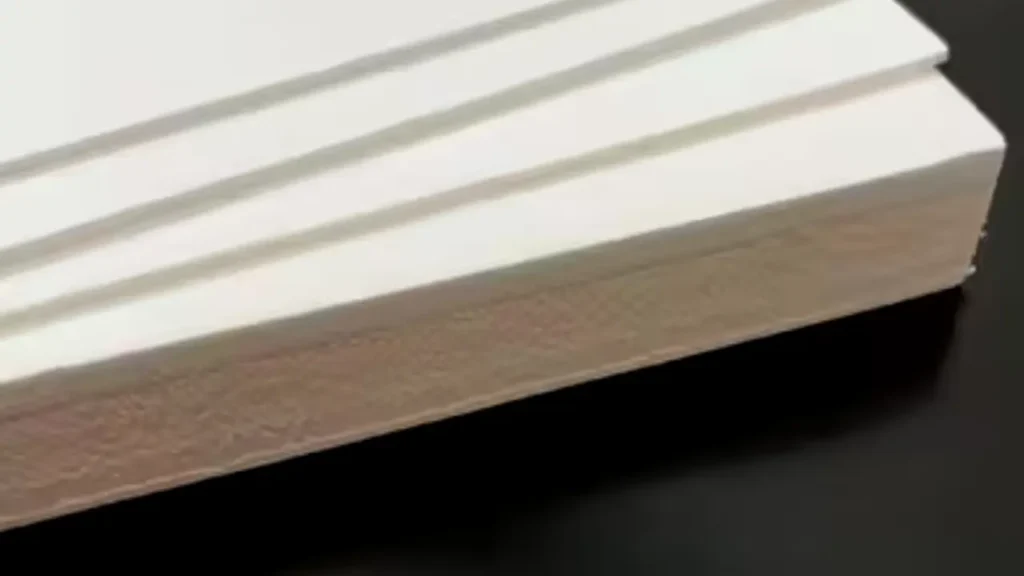
MPP foam is a high-performance, expanded polypropylene variant engineered for enhanced structural integrity and thermal stability. This material represents a significant advancement in plastic engineering, offering superior mechanical properties compared to traditional options.
We find its unique combination of lightness and strength makes it an increasingly popular choice for specialized industries requiring precise, reliable, and durable components for demanding projects.
Thermal insulation applications
We apply MPP foam in the construction and industrial cooling sectors because it offers excellent thermal resistance. You will benefit from its ability to maintain stable temperatures in refrigerated logistics or building insulation systems, where energy efficiency is critical to reducing operational costs and supporting long-term sustainable infrastructure performance goals.
Automotive interior components
We utilize MPP foam extensively for vehicle interiors because of its remarkable impact energy absorption and noise reduction capabilities. You will find it in door panels and pillars, where it provides structural reinforcement while maintaining a lightweight profile, helping manufacturers improve overall fuel efficiency without sacrificing essential safety standards.
Protective packaging solutions
Our team recommends MPP for sensitive electronics packaging due to its exceptional cushioning and vibration dampening properties. You can trust this material to secure high-value goods during transport, as it effectively shields fragile items from shocks and thermal fluctuations, ensuring products arrive in pristine condition despite challenging shipping environments.
What is EPP Foam?
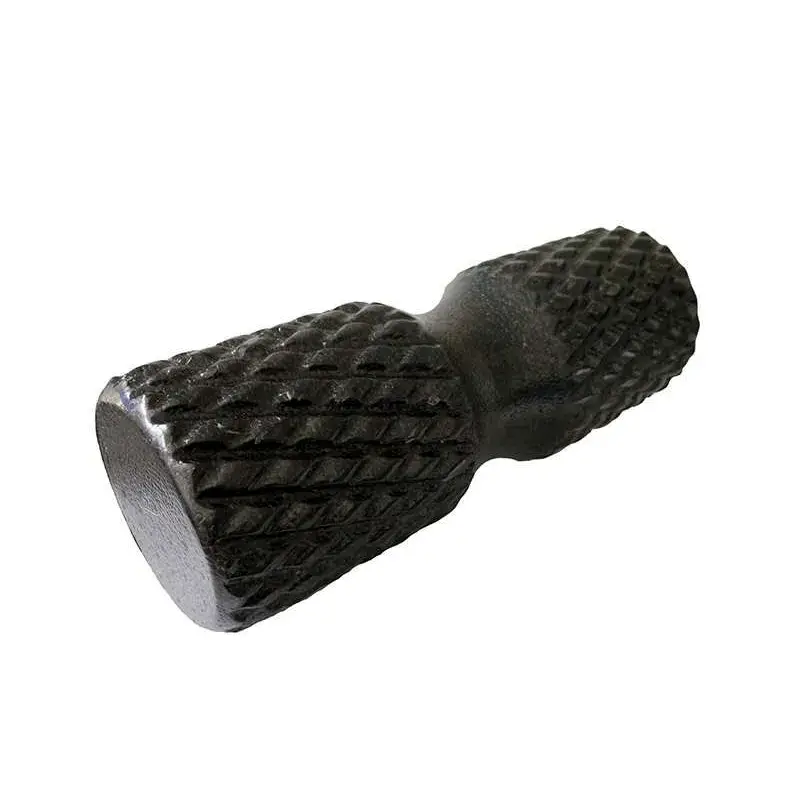
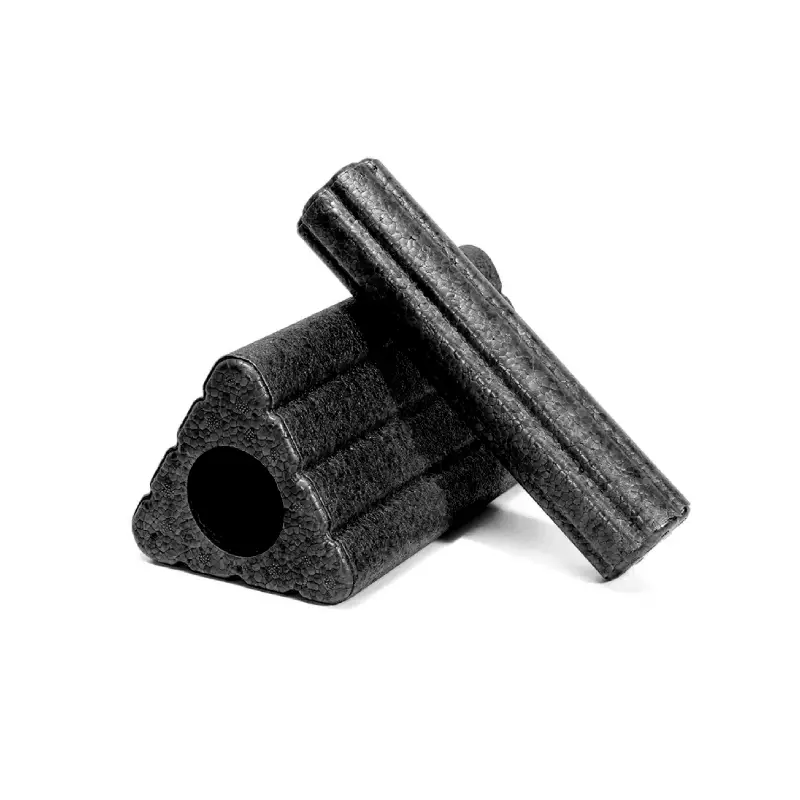
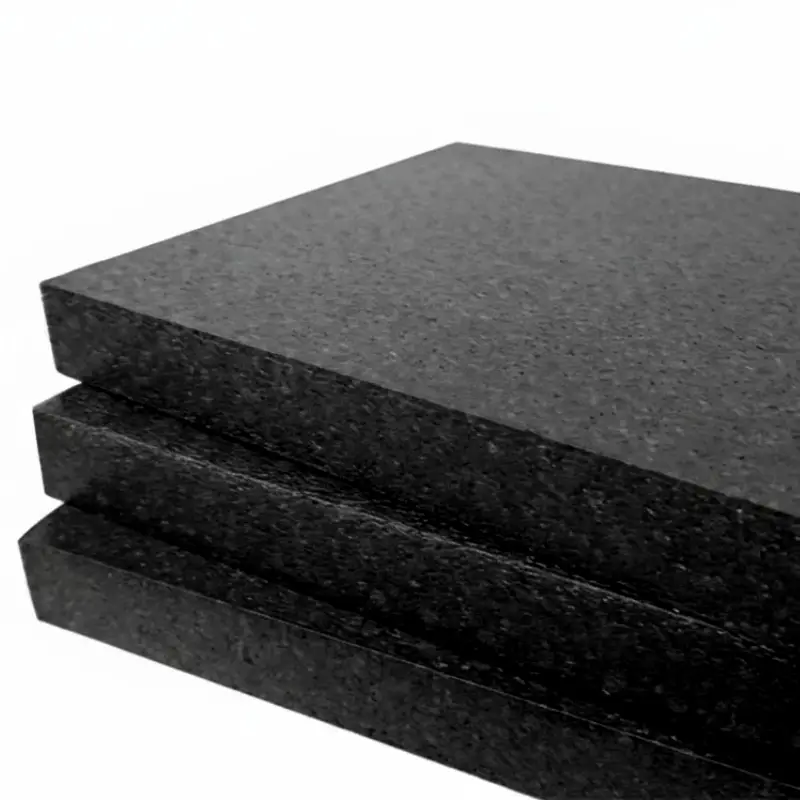
We define EPP foam as a versatile, closed-cell bead foam known for its outstanding energy absorption and high strength-to-weight ratio. This material excels at recovering its shape after repeated impacts, making it incredibly durable for long-term use. We find that its thermal insulation and chemical resistance allow for reliable, high-performance applications across diverse global industries.
Sports and recreational gear
We integrate EPP into protective sports equipment like helmets and pads because it offers excellent cushioning that reduces the risk of injury. You will benefit from its ability to withstand multiple impacts while remaining comfortable to wear, providing the necessary protection for athletes engaged in intense training sessions or competitive sporting events.
Automotive safety components
We utilize EPP for essential vehicle safety parts because it absorbs significant impact energy during collisions, protecting passengers effectively. You will see it in bumper cores and side-impact door panels, where its lightweight property helps improve overall fuel economy while ensuring passenger safety remains a top priority during operation.
Lightweight Protective Packaging
Our team uses EPP to manufacture robust shipping containers that protect fragile industrial equipment from vibrations and harsh shocks during transport. You can rely on this material to maintain its structural integrity under heavy loads, ensuring that your valuable goods reach their destination safely without any damage during long-distance transit.
MPP Foam vs EPP Foam
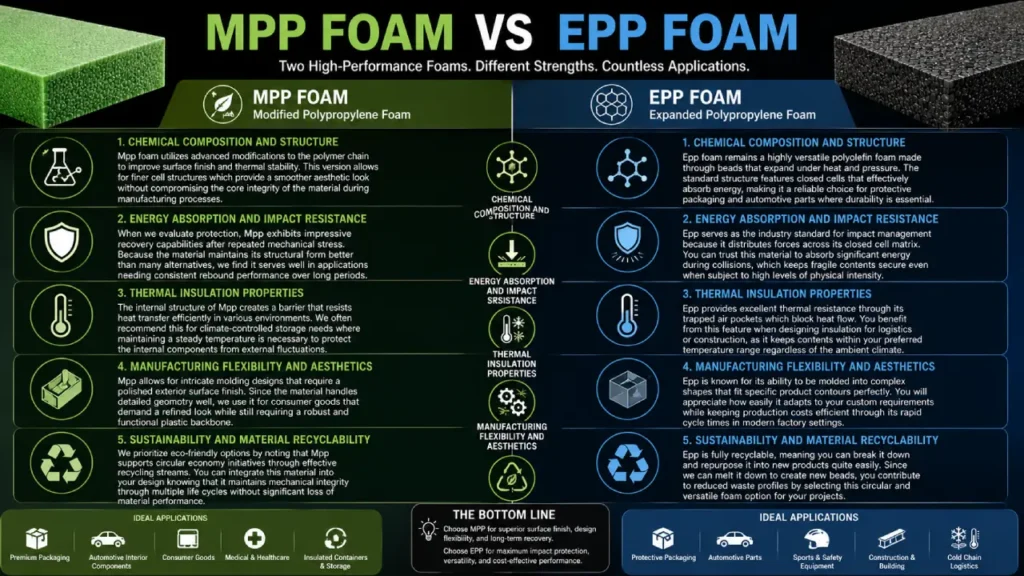
Selecting the right material requires understanding how distinct polymers behave under pressure. Mpp stands for modified polypropylene, while Epp refers to expanded polypropylene. Both options offer lightweight structures and impact resistance, yet their specific molecular compositions lead to different performance results.
We explore these differences below to help you choose the ideal solution for your specific engineering or design requirements.
Chemical Composition And Structure
Mpp foam utilizes advanced modifications to the polymer chain to improve surface finish and thermal stability. This version allows for finer cell structures, which provide a smoother aesthetic look without compromising the core integrity of the material during manufacturing processes.
Epp foam remains a highly versatile polyolefin foam made through beads that expand under heat and pressure. The standard structure features closed cells that effectively absorb energy, making it a reliable choice for protective packaging and automotive parts where durability is essential.
Energy Absorption And Impact Resistance
When we evaluate protection, Mpp exhibits impressive recovery capabilities after repeated mechanical stress. Because the material maintains its structural form better than many alternatives, we find it serves well in applications needing consistent rebound performance over long periods.
Epp serves as the industry standard for impact management because it distributes forces across its closed cell matrix. You can trust this material to absorb significant energy during collisions, which keeps fragile contents secure even when subject to high levels of physical intensity.
Thermal Insulation Properties
The internal structure of MPP creates a barrier that resists heat transfer efficiently in various environments. We often recommend this for climate-controlled storage needs where maintaining a steady temperature is necessary to protect the internal components from external fluctuations.
Epp provides excellent thermal resistance through its trapped air pockets, which block heat flow. You benefit from this feature when designing insulation for logistics or construction, as it keeps contents within your preferred temperature range regardless of the ambient climate.
Manufacturing Flexibility and Aesthetics
Mpp allows for intricate molding designs that require a polished exterior surface finish. Since the material handles detailed geometry well, we use it for consumer goods that demand a refined look while still requiring a robust and functional plastic backbone.
Epp is known for its ability to be molded into complex shapes that fit specific product contours perfectly. You will appreciate how easily it adapts to your custom requirements while keeping production costs efficient through its rapid cycle times in modern factory settings.
Sustainability And Material Recyclability
We prioritize eco-friendly options by noting that MPP supports circular economy initiatives through effective recycling streams. You can integrate this material into your design knowing that it maintains mechanical integrity through multiple life cycles without significant loss of material performance.
EPP is fully recyclable, meaning you can break it down and repurpose it into new products quite easily. Since we can melt it down to create new beads, you contribute to reduced waste profiles by selecting this circular and versatile foam option for your projects.
Here are some differences between MPP foam and EPP foam:
| Feature | MPP Foam | EPP Foam |
| Surface Finish | Highly refined and smooth | Standard textured bead finish |
| Impact Recovery | Excellent repeated resilience | Superior energy absorption |
| Insulation | Effective thermal barrier | High thermal resistance |
| Molding | Detailed intricate shapes | Complex contour fitting |
| Recyclability | Fully recyclable | Fully recyclable |
How to Choose MPP Foam and EPP Foam?
Choosing between MPP and Epp foam depends on your specific performance requirements and environmental goals. We suggest evaluating the primary use case, whether it involves protective packaging, automotive components, or consumer goods.
By understanding the mechanical properties and aesthetic limits of each material, you can select the version that best aligns with your project needs and budget constraints.
Key Factors For Selection
- Performance and impact requirements for your specific product application.
- Surface finish quality is needed for the final consumer appearance.
- Thermal insulation capabilities based on the intended operating environment.
- Complexity of the part geometry during the manufacturing of the mold process.
- Sustainability goals regarding recycling and future material reuse cycles.
Evaluating Impact And Durability
When selecting for impact, we consider how much energy the part must absorb during potential collisions. EPP excels in high-energy dissipation scenarios because its structure collapses predictably to protect contents. You should choose this material if your priority involves keeping fragile items safe during transport or high-intensity handling situations.
Assessing Aesthetic And Surface Finish
For consumer-facing products, MPP offers a superior finish that looks polished and refined. We recommend this option when your design requires intricate details or a smoother texture than standard beads cannot achieve. You will find that this material enhances the overall brand perception by providing a professional look and feel.
Considering Thermal Insulation Needs
If your project requires strict temperature control, evaluate the insulation efficiency of each foam type. Epp uses trapped air pockets to maintain stable temperatures effectively, making it ideal for shipping perishables or sensitive electronics. You can rely on this material to provide consistent thermal barriers in various external climates.
Reviewing Moldability And Shape
MPP allows for complex molding that supports detailed structural designs without sacrificing strength. We suggest using this when you have tight tolerances or unique shapes that demand precision during production. You will benefit from the ability to create highly custom parts that fit your exact dimensions and engineering specifications.
Aligning With Sustainability Goals
We prioritize sustainability by looking at how easily you can recycle these materials after their primary life cycle. Both options support circular economies, but we encourage checking your local facilities for processing capabilities. Choosing recyclable foams allows us to minimize waste while ensuring you maintain a responsible production footprint.
Conclusion
Selecting the correct material is vital for achieving optimal results in your projects. We have examined how MPP and EPP foam differ in durability, weight, and impact resistance to guide your decision. By evaluating these technical specifications against your specific needs, you ensure long-term stability. Trust our detailed breakdown to navigate the complexities of material science and improve your production quality.
Now that you understand the unique advantages of these materials, you can confidently choose the best foam for your requirements. Whether you prioritize lightweight flexibility or structural strength, both options provide reliable performance across various industries. We hope this comparison empowers you to make a smart, informed choice that benefits your business goals while maintaining the standards you demand consistently.
For those ready to move forward, we invite you to explore professional options with us. Get wholesale EPP foam and related EPP made products from Epsole, a trusted industry partner. We are committed to providing you with the materials necessary for your continued success. Contact our team today to discuss your specific needs and secure the materials for your next great innovation.