
ICF blocks, or Insulated Concrete Forms, are transforming modern construction with their blend of strength, energy efficiency, and sustainability. These modular blocks are made from insulating foam and reinforced with concrete, providing a durable structure that keeps buildings well-insulated and resilient against extreme weather. Whether for residential or commercial projects, ICF blocks are gaining popularity for their ability to reduce energy costs and improve overall building performance.
In addition to energy efficiency, ICF blocks simplify construction by combining multiple building functions into a single system. They offer excellent soundproofing, fire resistance, and structural stability, making them a versatile choice for a wide range of projects. Understanding the types, installation methods, and key benefits of ICF blocks can help builders and homeowners make informed decisions and leverage their full potential in 2026 construction practices.
What Are ICF Blocks?
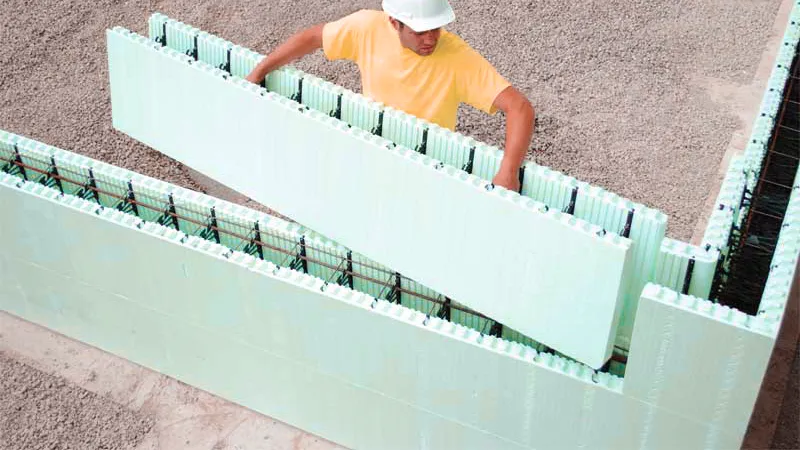
ICF blocks, or Insulated Concrete Forms, are modular building blocks made from insulating foam and reinforced with concrete, designed to create strong, energy-efficient, and durable structures. They provide excellent insulation, soundproofing, and fire resistance while simplifying construction by combining multiple building functions into a single system.
ICF combines one of the finest insulating materials – Expanded Polystyrene (EPS) – with one of the strongest structural building materials – steel-reinforced concrete. The result is a wall system of unmatched comfort, energy efficiency, strength, and noise reduction.
ICF construction provides structural advantages for any building. Insulating concrete forms provide benefits to both builders and building owners alike.
What are ICF Blocks Made of?
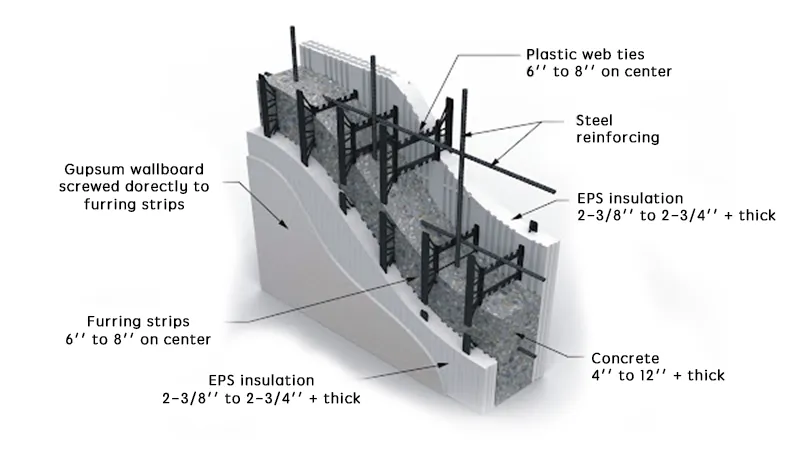
ICF blocks are made from materials that combine strength, insulation, and durability, making them ideal for modern construction. Understanding their composition helps builders choose the right blocks for energy efficiency and structural performance. The main components of ICF blocks include:
- Optional Additives – Additives like graphite in foam or fibers in concrete enhance insulation, reduce thermal bridging, increase strength, and improve the overall lifespan and performance of the building structure.
- Expanded Polystyrene (EPS) Foam – EPS foam provides lightweight insulation and acts as a mold for concrete, reducing energy costs, improving soundproofing, and making handling and installation easier while ensuring long-term durability.
- Reinforced Concrete – Concrete poured between foam layers gives ICF blocks structural strength, fire resistance, and the ability to withstand extreme weather, seismic activity, and long-term wear while maintaining energy efficiency.
- Plastic or Metal Ties – Ties hold foam panels in place and maintain spacing for concrete pouring, ensuring alignment, structural stability, even load distribution, and resistance to corrosion during construction.
ICF Block Manufacturing Process
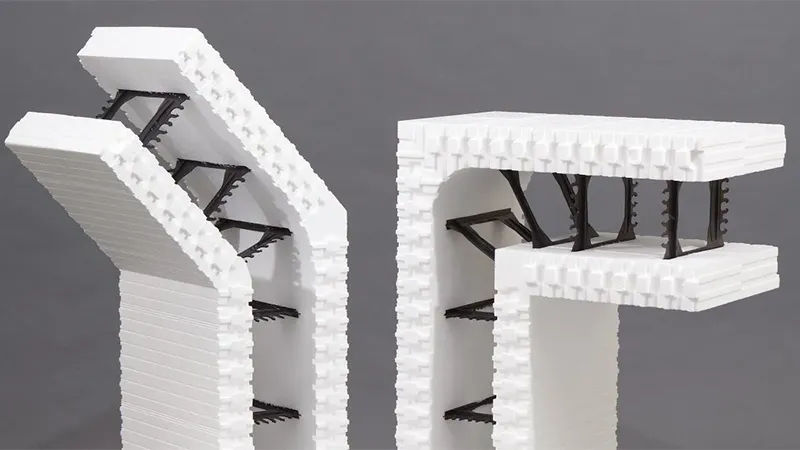
ICF blocks are manufactured through a precise process that combines foam insulation and concrete reinforcement to create strong, energy-efficient building materials. Understanding each step helps ensure consistent quality, durability, and performance for construction projects. Here’s an overview of the ICF block manufacturing process:
Tools Needed
- EPS molding machines
- Concrete mixers
- Cutting tools
- Measuring instruments
- Reinforcement equipment
Step 1: Foam Production
EPS beads are expanded using steam in molding machines to form foam panels. This process ensures uniform density and insulation properties. The panels are then cut to the desired size and shape, ready to act as the outer layers of the ICF block, providing both form and insulation.
Step 2: Tie Installation
Plastic or metal ties are inserted into the foam panels to hold them together and maintain proper spacing. These ties provide structural alignment for concrete pouring, ensuring the finished block remains strong, stable, and uniform throughout the manufacturing process, while resisting corrosion and maintaining durability over time.
Step 3: Concrete Pouring
Concrete is poured into the cavity between the foam panels, filling the space around the ties. This step creates the block’s core strength and fire resistance. The concrete is carefully vibrated and leveled to remove air pockets, ensuring a solid, durable structure that meets quality standards.
Step 4: Curing and Finishing
The poured blocks are allowed to cure, gaining strength and stability over time. Once cured, the blocks are trimmed, inspected, and finished to exact specifications. This ensures consistent dimensions, quality insulation, and structural integrity, making the ICF blocks ready for shipping and construction use.
What is the Cost of ICF Blocks?
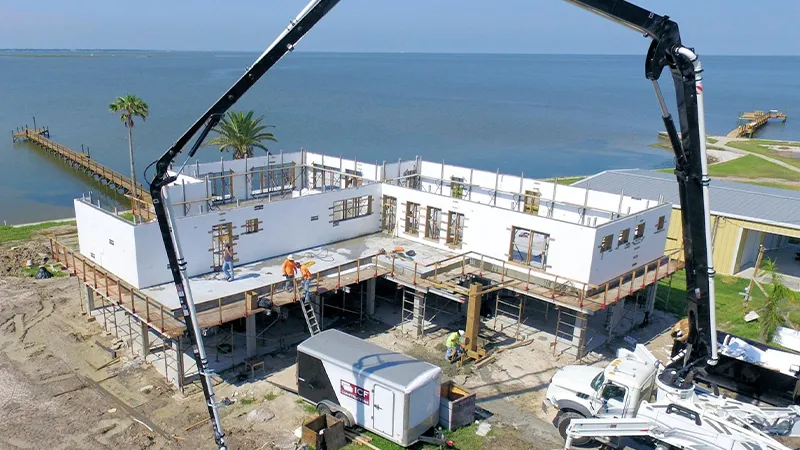
The cost of ICF blocks can vary depending on several factors such as the brand, quality, thickness, and local market conditions. On average, the cost of ICF blocks ranges from $10 to $20 per square foot of wall area, including materials and labor.
Factors Influencing Cost:
- Type and Brand: Different manufacturers offer ICF blocks with varying features, quality standards, and pricing. Higher-end brands may cost more but often come with additional benefits such as better insulation properties or ease of installation.
- Thickness: The thickness of the ICF blocks can affect their cost. Thicker blocks provide higher insulation levels but may be more expensive compared to thinner blocks.
- Quality of Materials: The quality of EPS foam and reinforced concrete used in the ICF blocks can influence their cost. High-quality materials may have a higher upfront cost but can result in long-term savings through energy efficiency and durability.
- Local Market: Regional factors such as supply and demand, labor costs, and transportation expenses can impact the overall cost of ICF blocks. Prices may vary from one location to another.
- Installation Costs: In addition to the cost of the blocks themselves, labor and installation charges can contribute significantly to the total cost of using ICF blocks. Factors such as complexity of design, site conditions, and contractor rates can affect installation costs.
Benefits of Cost Consideration:
- Energy Savings: Despite the initial investment, ICF blocks can lead to long-term cost savings through reduced energy consumption for heating and cooling. Their high insulation properties help maintain indoor comfort levels with less reliance on HVAC systems.
- Durability and Maintenance: The durability of ICF buildings can result in lower maintenance and repair costs over time compared to traditional construction methods. ICF structures are resistant to pests, mold, and moisture damage, reducing the need for frequent repairs.
- Insurance Savings: Some insurance companies offer discounts for buildings constructed with ICF blocks due to their resilience against fire, storms, and other hazards. These potential savings should be factored into the overall cost analysis.
- Long-Term Value: Investing in high-quality ICF blocks can enhance the resale value of a property. Buyers often appreciate the energy efficiency, durability, and comfort benefits associated with ICF construction, which can translate into higher property value.
Why Build With ICF Blocks?
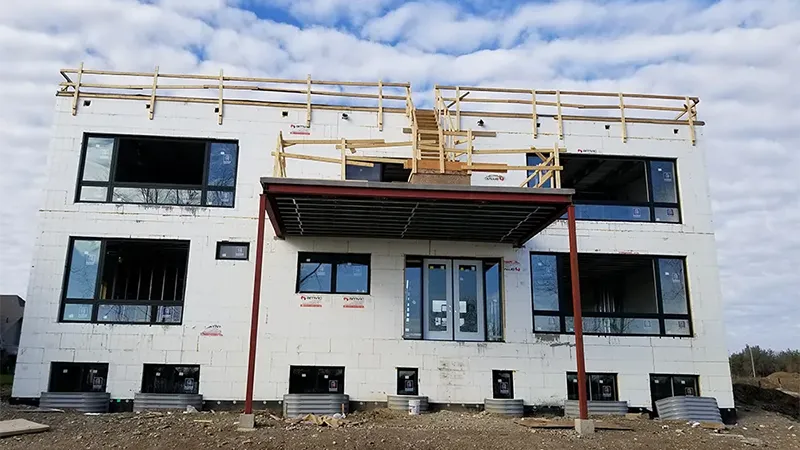
Insulated Concrete Forms (ICFs) combine reinforced concrete with continuous insulation to create strong, energy-efficient walls. They are increasingly used in residential, commercial, and industrial construction because they offer a practical balance of structural strength, thermal performance, durability, and construction efficiency. For builders and property owners, ICF blocks can provide long-term benefits that traditional wall systems may not deliver as effectively.
Reduced Construction Waste: ICF construction can minimize certain types of job-site waste because the forms remain permanently integrated into the finished wall. The system also combines structural and insulation functions in one assembly, potentially reducing the need for multiple separate wall materials and simplifying material management during construction.
Excellent Energy Efficiency: ICF blocks create continuous insulation around concrete walls, reducing thermal bridging and limiting heat transfer. This helps buildings maintain more stable indoor temperatures throughout the year. As a result, heating and cooling systems can operate more efficiently, potentially lowering energy consumption and long-term utility costs.
Strong Structural Performance: The reinforced concrete core provides substantial strength and stability, while the surrounding foam forms remain in place as insulation. ICF walls can resist various structural loads and provide a durable building envelope suitable for homes, commercial buildings, basements, and other demanding construction applications.
Improved Sound Insulation: ICF walls combine dense concrete with insulating foam, creating an effective barrier against many outside noises. This can help reduce traffic sounds, neighborhood noise, and sound transmission between rooms. The result is a quieter and more comfortable indoor environment for occupants.
Fire Resistance: The concrete core of an ICF wall is non-combustible, providing strong resistance to fire. Depending on the specific ICF system and construction details, walls can achieve significant fire-resistance ratings. This additional protection can improve building safety and help protect occupants and property during fire emergencies.
Faster Construction: ICF blocks serve as both wall forms and insulation, reducing the number of separate construction steps required. Workers stack the forms, install reinforcement, and fill the cores with concrete. This integrated process can simplify wall construction and potentially shorten project schedules compared with conventional methods.
Long-Term Durability: Concrete-filled ICF walls are resistant to many common problems associated with traditional framed walls, including rot and pest damage. When properly designed and installed, they can provide a durable structural envelope with relatively low maintenance requirements, supporting a building’s performance throughout its service life.
Better Indoor Comfort: Continuous insulation and the thermal mass of concrete help moderate temperature fluctuations inside the building. ICF construction can reduce drafts and cold spots while maintaining more consistent interior conditions. This creates a comfortable living or working environment across changing outdoor temperatures and seasons.
How Long Do ICF Blocks Last?
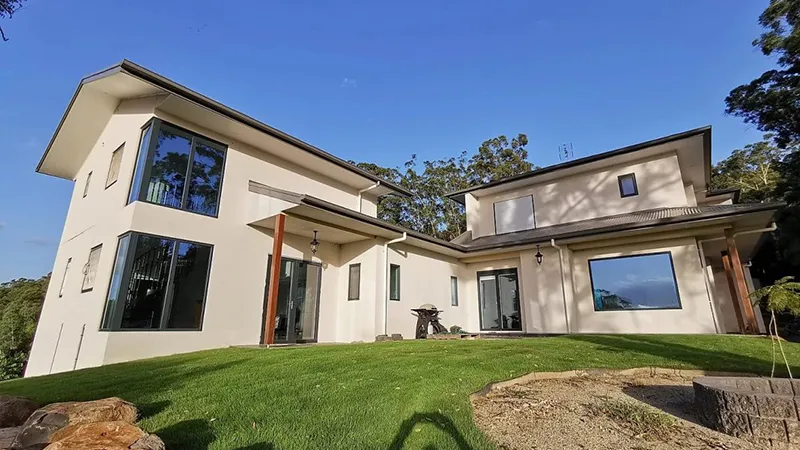
ICF blocks are known for their durability and longevity, with a typical lifespan of 50 to 100 years or more.
Factors that contribute to the longevity of ICF blocks include the quality of materials used, proper installation, and regular maintenance.
Reinforced concrete, a key component of ICF blocks, is renowned for its durability and ability to withstand environmental factors such as moisture, pests, fire, and structural loads. The EPS foam insulation within ICF blocks is also designed to withstand the test of time, especially when protected from direct sunlight and physical damage.
With proper care and maintenance, such as periodic inspections for cracks or damage and addressing any issues promptly, ICF buildings can maintain their structural integrity and performance for decades, providing a long-lasting and reliable construction solution.
Conclusion
ICF blocks offer a myriad of benefits that make them a highly desirable choice for modern construction projects. Their combination of energy efficiency, durability, soundproofing, ease of construction, environmental sustainability, resilience, and long-term cost savings sets them apart as a superior building material.
Additionally, with proper care and maintenance, ICF buildings can last for several decades, providing a reliable and comfortable living or working environment for occupants.
Overall, the advantages of building with ICF blocks make them a smart investment for builders, homeowners, and property developers looking to create efficient, durable, and sustainable structures.