
When contractors and builders are faced with the choice between insulated concrete forms (ICF) and concrete blocks (CMU) for constructing exterior walls, it’s crucial for them to understand the distinctions in wall systems offered by ICF and their advantages over CMU or cinder blocks.
In this article, we delve into ICF and concrete block, aiming to provide clarity for professionals navigating the complexities of exterior wall construction.
What Is ICF?
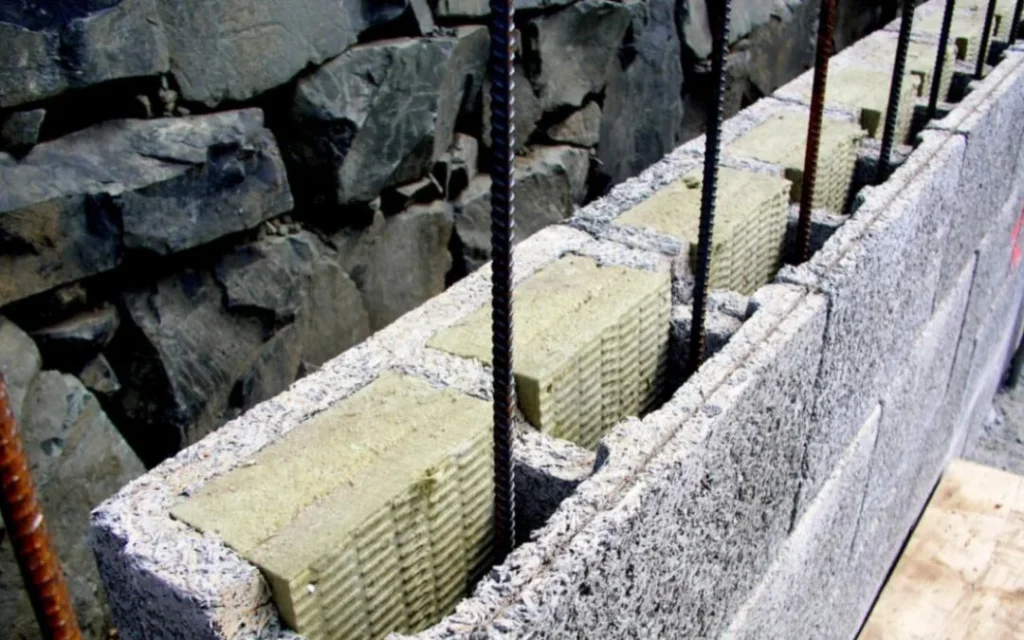
ICF, or Insulated Concrete Forms, comprises hollow foam blocks assembled to form the outer walls of a structure, fortified with steel rebar, and subsequently filled with concrete.
This innovative construction method merges Expanded Polystyrene (EPS), a top-tier insulating material, with steel-reinforced concrete, one of the most robust structural building materials available.
What is a Concrete Block?
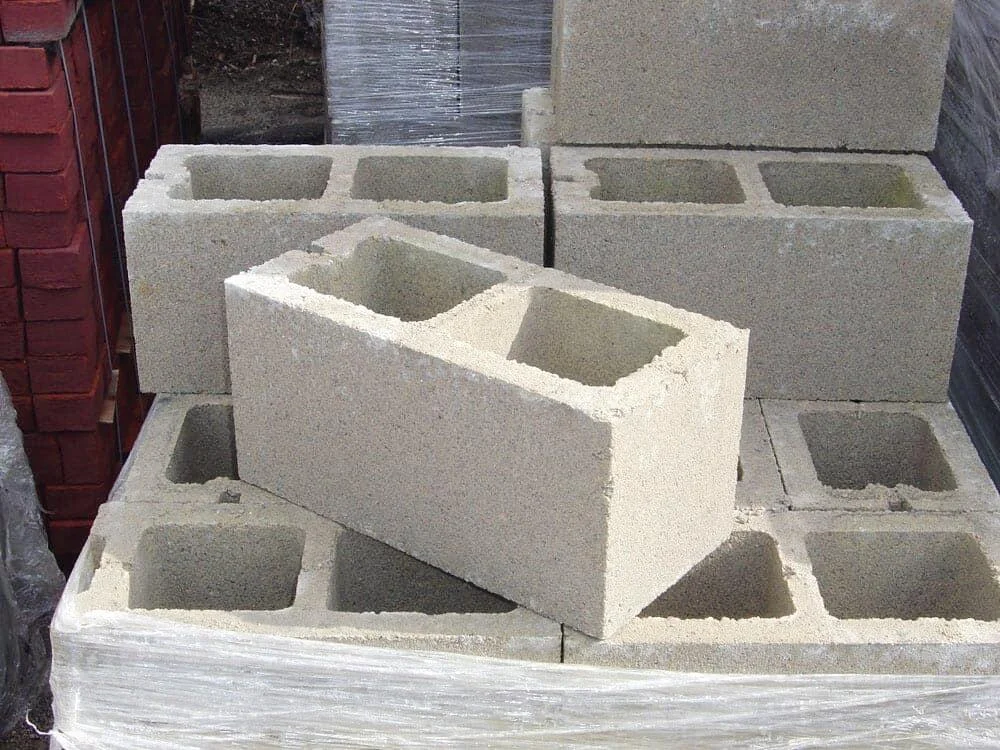
A concrete block is a large, rectangular unit used in construction, made from a mixture of cement, water, and aggregates like sand or gravel. These blocks are known for their durability and versatility in building structures such as walls, foundations, and pavements.
- Cost-Effective: Concrete blocks are relatively inexpensive compared to other building materials, making them a budget-friendly option for large-scale construction projects.
- Durability: Concrete blocks are highly resistant to weathering and wear, making them ideal for both indoor and outdoor applications.
- Fire Resistance: Due to their dense material composition, concrete blocks offer excellent fire resistance, providing added safety in building structures.
- Thermal Insulation: They possess good thermal mass, helping maintain consistent indoor temperatures by absorbing and slowly releasing heat.
ICF Characteristics and Advantages
ICF (Insulated Concrete Forms) are a modern construction method using interlocking foam blocks filled with concrete. This approach provides enhanced energy efficiency, strength, and environmental benefits. ICF is commonly used for residential and commercial buildings, offering several advantages over traditional building methods.
- Sustainability: ICF construction uses fewer materials and reduces energy consumption, making it a more environmentally friendly building option.
- Energy Efficiency: ICFs provide superior insulation, reducing heating and cooling costs by minimizing heat transfer through walls.
- Strength and Durability: Concrete-filled foam blocks create a solid, durable structure resistant to extreme weather, natural disasters, and pests.
- Soundproofing: The combination of concrete and foam offers excellent soundproofing, reducing noise transmission between rooms and from external sources.
ICF vs Concrete Blocks
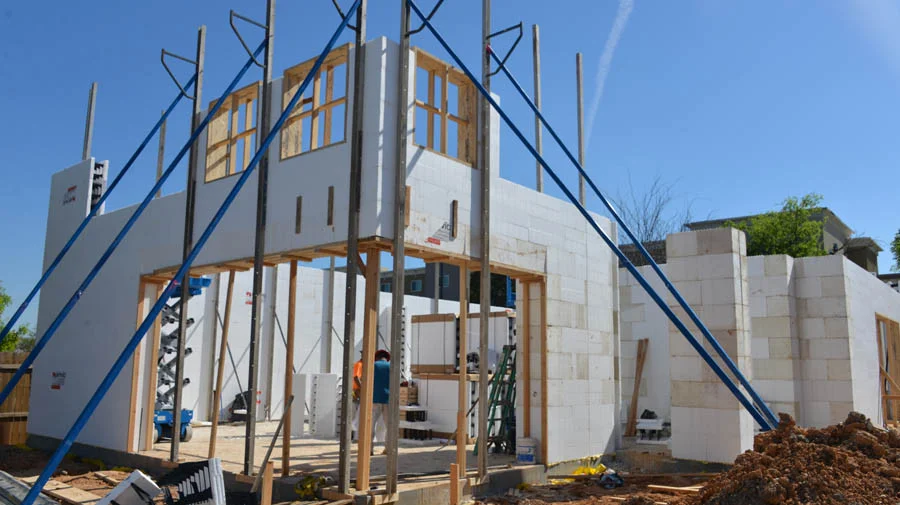
When choosing the right construction material, both ICF (Insulated Concrete Forms) and traditional concrete blocks have their advantages. Understanding their differences can help in selecting the best option for a specific building project, whether it’s residential, commercial, or industrial. Below, we compare the key aspects of each.
1. Energy Efficiency
ICF construction provides superior insulation, reducing energy costs by maintaining a stable indoor temperature. The foam layers on both sides of the concrete core offer a barrier against heat loss or gain, making it an excellent choice for energy-efficient buildings. In contrast, concrete blocks require additional insulation materials to achieve comparable efficiency, often resulting in higher costs and more layers in construction.
2. Strength and Durability
Both ICF and concrete block systems are known for their strength, but ICF’s concrete core, reinforced with rebar, offers more robust structural integrity. ICF walls are monolithic, making them better suited for withstanding extreme weather conditions, including hurricanes and earthquakes. Concrete blocks, while durable, may need additional reinforcement in certain applications, making them slightly less versatile than ICF.
3. Construction Speed
ICF construction is relatively quicker than building with concrete blocks. ICF systems are easy to assemble and require fewer labor hours since the blocks interlock without the need for mortar. Concrete block construction typically involves more time, as each block needs to be laid and mortar applied, leading to longer build times.
4. Insulation Properties
ICF walls inherently provide high R-values, offering natural insulation against heat and cold. This insulation significantly reduces the need for external materials and helps maintain a stable indoor temperature. Concrete blocks, on the other hand, do not have built-in insulation, requiring additional external or internal insulation materials to achieve similar energy savings.
5. Cost Considerations
While ICF systems may have a higher initial material cost, they save money in the long run due to energy efficiency and reduced heating/cooling expenses. Concrete blocks tend to be less expensive upfront, but the need for extra insulation and more labor may increase overall project costs.
| Aspect | ICF | Concrete Block |
|---|---|---|
| Energy Efficiency | Superior insulation with foam layers | Requires additional insulation |
| Strength & Durability | Monolithic, more resistant to extreme conditions | Durable, but needs reinforcement |
| Construction Speed | Faster with interlocking blocks | Slower with mortar application |
| Insulation Properties | Built-in high R-value | Needs added insulation materials |
| Cost Considerations | Higher upfront but energy savings | Lower cost upfront, but higher long-term expenses |
ICF and Concrete Block Impact Resistance
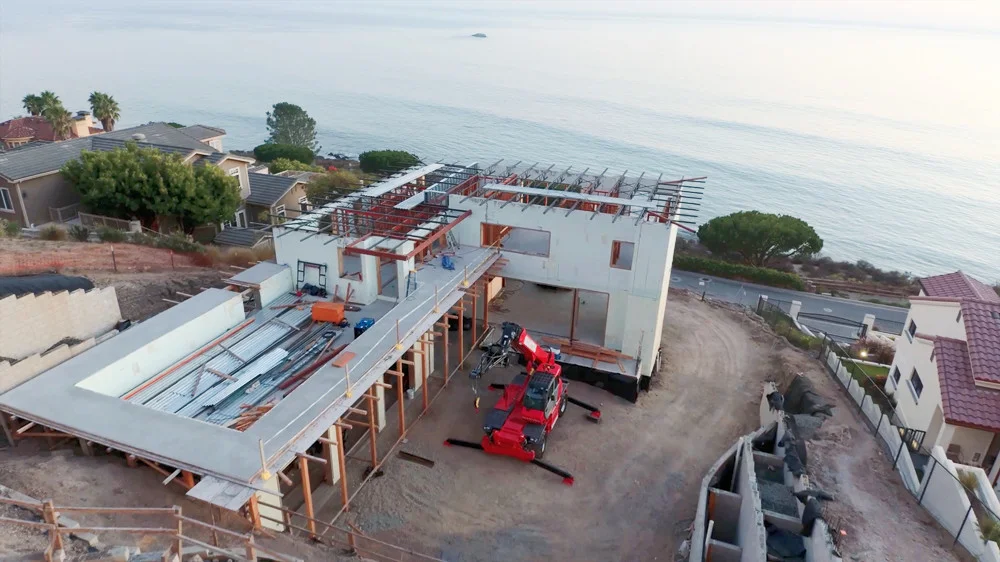
ICF (Insulated Concrete Forms) and concrete blocks are both highly durable materials, but they offer different levels of impact resistance.
Understanding how they perform under various conditions helps in determining which is best suited for specific building needs, especially in areas prone to harsh weather or external forces.
- Long-Term Durability: ICFs generally maintain their structural integrity longer because of their ability to absorb and distribute impacts more evenly. Concrete blocks, when reinforced, provide solid long-term impact resistance but may require more maintenance and care over time.
- ICF Impact Resistance: The combination of foam and concrete creates a monolithic structure that absorbs and disperses impact energy. This feature makes ICF particularly effective in resisting damage from storms, earthquakes, or even impacts from vehicles.
- Concrete Block Impact Resistance: Concrete blocks are strong but can be more susceptible to cracking when exposed to high-impact forces. However, when reinforced with steel, they can perform similarly to ICFs, offering solid protection in most circumstances.
- Weather-Resistant Performance: ICFs offer excellent resistance to weather-related impacts, such as wind and hail, due to the structural integrity provided by the foam and concrete combination. Concrete blocks, while sturdy, may be more vulnerable to severe weather unless properly reinforced.
- Thermal Impact Resistance: ICFs can better withstand temperature-related impacts, as the foam insulation helps to prevent sudden shifts in thermal pressure, which might cause cracking in traditional concrete blocks. This makes ICF a more reliable choice in regions with extreme temperature fluctuations.
Energy Efficiency Of ICF and Concrete Block
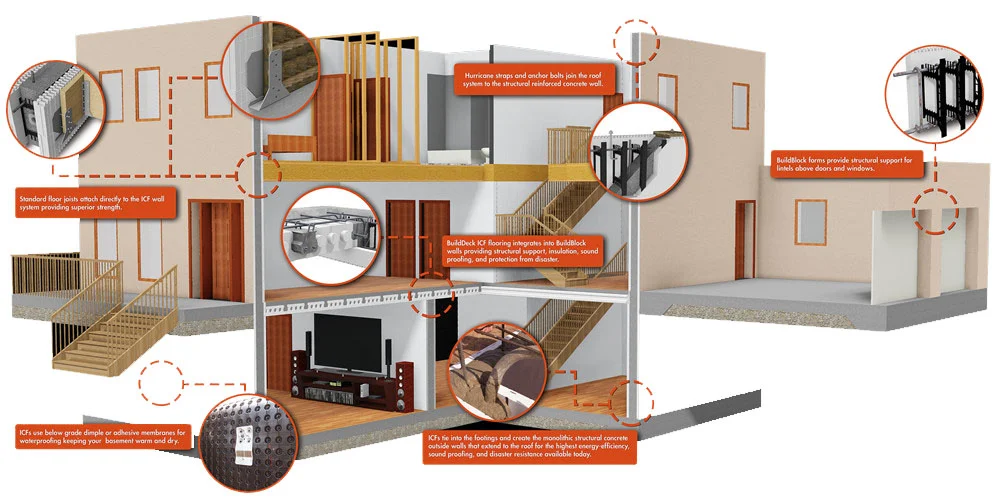
Energy efficiency is a critical factor in modern construction, and both ICF (Insulated Concrete Forms) and concrete blocks offer distinct advantages. Understanding how each material contributes to energy savings can help in selecting the best solution for reducing heating and cooling costs while ensuring comfort in buildings.
Sustainability and Green Building: ICF construction is considered more sustainable because of its ability to reduce energy consumption significantly. By minimizing reliance on heating and cooling systems, ICF homes and buildings have a lower carbon footprint. Concrete blocks, though durable, typically do not offer the same level of energy efficiency without added insulation.
ICF Energy Efficiency: ICF provides superior energy efficiency due to the foam insulation on both sides of the concrete core. This insulation minimizes heat transfer, keeping indoor temperatures stable. The thermal mass of the concrete absorbs heat during the day and releases it at night, maintaining a comfortable environment.
Concrete Block Energy Efficiency: Concrete blocks have a higher thermal mass than traditional wood framing, meaning they store heat and help moderate temperature fluctuations. However, without added insulation, concrete blocks are less efficient than ICFs, leading to higher energy consumption in buildings, particularly in extreme climates.
Insulation and Air Leakage: ICF walls have built-in insulation, effectively preventing air leaks and minimizing drafts. The continuous foam insulation seals gaps, creating an airtight building envelope. In contrast, concrete blocks require additional insulation layers, which can increase installation time and costs while potentially allowing more air leakage.
Long-Term Energy Savings: ICF buildings provide long-term energy savings due to their high R-value and thermal performance. The increased insulation helps reduce HVAC system usage, lowering energy bills. Concrete blocks, while durable, generally require more energy for heating and cooling, especially in areas with extreme temperatures.
Ease Of ICF Installation and Concrete Block
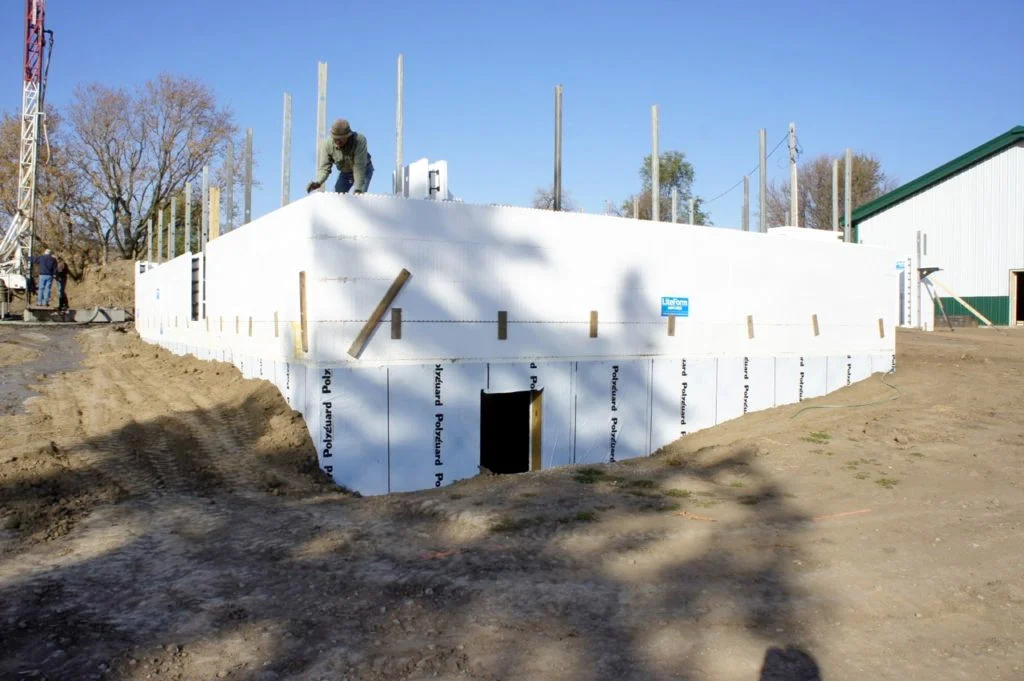
The ease of installation is an important factor when choosing between ICF (Insulated Concrete Forms) and concrete blocks. Both offer advantages, but their installation processes differ, influencing the overall construction timeline and labor requirements. Understanding these differences can help determine the best option for specific building projects.
- Time Efficiency: Due to their interlocking design and lightweight material, ICFs significantly reduce the time spent on installation. A building can be completed more quickly, allowing for faster project timelines. Concrete block construction, while durable, typically takes longer to install due to the more labor-intensive process of laying each block and waiting for mortar to cure.
- ICF Installation Ease: ICF systems are designed for quick and easy assembly, with blocks that interlock without mortar. This eliminates the need for traditional masonry skills, reducing labor costs and construction time. The blocks are lightweight, which simplifies handling and positioning, making them a user-friendly option for both small and large-scale projects.
- Concrete Block Installation Ease: Concrete blocks require mortar for assembly, which adds complexity and time to the installation process. Each block must be carefully laid, with precise mortar application and leveling. This traditional method demands skilled labor, making the process slower and potentially more expensive compared to ICF installation.
- Labor Requirements: ICF construction generally requires fewer laborers and less expertise since the blocks fit together without mortar. Workers mainly focus on placing the forms and pouring concrete, speeding up the process. On the other hand, concrete block construction needs more labor for proper block placement, mortar application, and quality control.
- Material Handling: ICF blocks are lighter than concrete blocks, making them easier to transport and handle on-site. This reduces the risk of injury and streamlines the installation process. Concrete blocks, being heavier and more rigid, require more manpower to lift and place, which can increase the overall labor cost.
Design Advantages Of ICF and Concrete Block
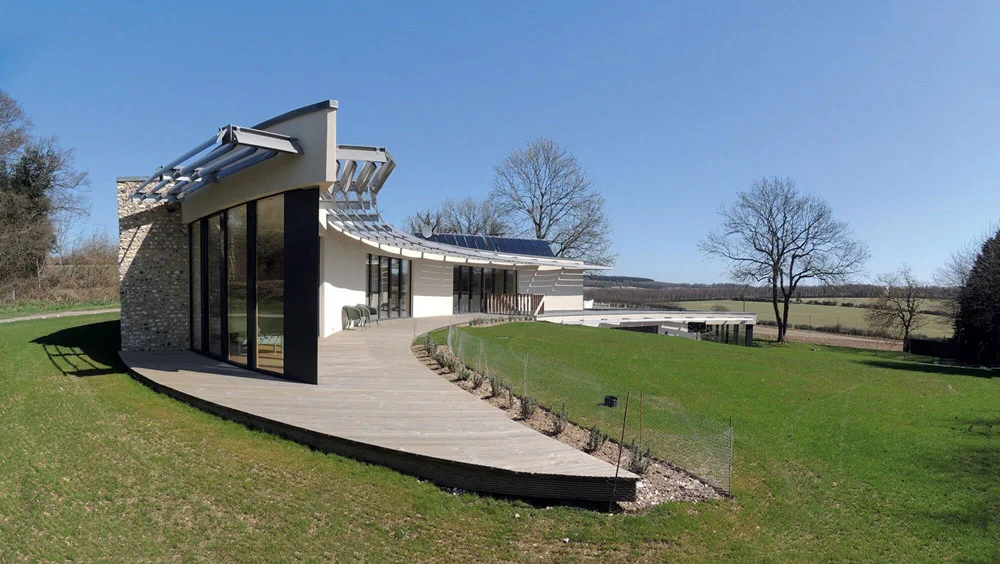
When it comes to design flexibility, both ICF (Insulated Concrete Forms) and concrete blocks offer unique advantages. Understanding how each material can impact a building’s design, aesthetic, and functionality helps in choosing the most suitable option for your project, whether it’s residential, commercial, or industrial.
- Aesthetic Versatility: ICF can be finished with a wide variety of exterior materials such as stucco, brick, or siding, allowing for more aesthetic choices and design flexibility. Concrete blocks can be finished with paint or cladding, but the inherent appearance of the blocks may limit some design possibilities for those seeking a more customized look.
- ICF Design Flexibility: ICF allows for a wide range of architectural designs due to its ease of shaping and forming. It can be easily molded into various curves, angles, and custom shapes, offering greater creative freedom. This flexibility is ideal for projects requiring unique or complex design elements without compromising structural integrity.
- Concrete Block Design Flexibility: While concrete blocks provide a solid and durable foundation, their design flexibility is more limited compared to ICF. Concrete blocks are typically rectangular and have fewer customization options. However, they can be used effectively in many traditional architectural styles, offering simplicity and reliability.
- Thermal Mass and Energy Performance: ICF’s solid concrete core provides better thermal mass, helping to regulate indoor temperatures more effectively. This means that buildings made with ICF can maintain a more consistent temperature throughout the year, contributing to overall energy efficiency. Concrete blocks, while offering some thermal mass, typically require additional insulation to achieve the same energy performance.
- Sound Insulation: ICF’s combination of foam and concrete offers superior sound insulation compared to concrete blocks. The foam layer acts as a sound barrier, reducing noise transmission between rooms and from external sources. Concrete blocks, though sturdy, require additional soundproofing materials to achieve the same level of noise reduction.
Conclusion
In conclusion, both ICF (Insulated Concrete Forms) and concrete blocks offer distinct advantages, making them suitable for different types of construction projects. ICF stands out with its superior energy efficiency, thermal mass, and ease of installation, making it an excellent choice for energy-conscious builders. Concrete blocks, on the other hand, provide solid durability and strength, making them ideal for traditional construction applications.
Choosing the right material depends on your specific needs and priorities. If you’re looking for faster installation, better insulation, and long-term energy savings, ICF could be the ideal solution for your project. However, if budget and conventional construction methods are your main focus, concrete blocks offer a reliable, cost-effective choice.
For your next construction project, consider sourcing both ICF and concrete blocks from us. We offer materials tailored to your needs, ensuring that your building is strong, efficient, and built to last. Contact us today to get started!