
Styrofoam, also known as expanded polystyrene (EPS), is widely used in packaging, insulation, construction, and creative applications. Cutting styrofoam properly requires suitable tools and techniques to achieve smooth edges and accurate shapes. In this guide, we will explain professional methods for cutting EPS foam effectively.
As an experienced EPS manufacturer, we understand the importance of precise foam cutting for different industries. From selecting the right cutting tools to improving cutting efficiency, this article will share practical knowledge about how to cut styrofoam and achieve high-quality results for various EPS applications.
When to Cut Styrofoam?
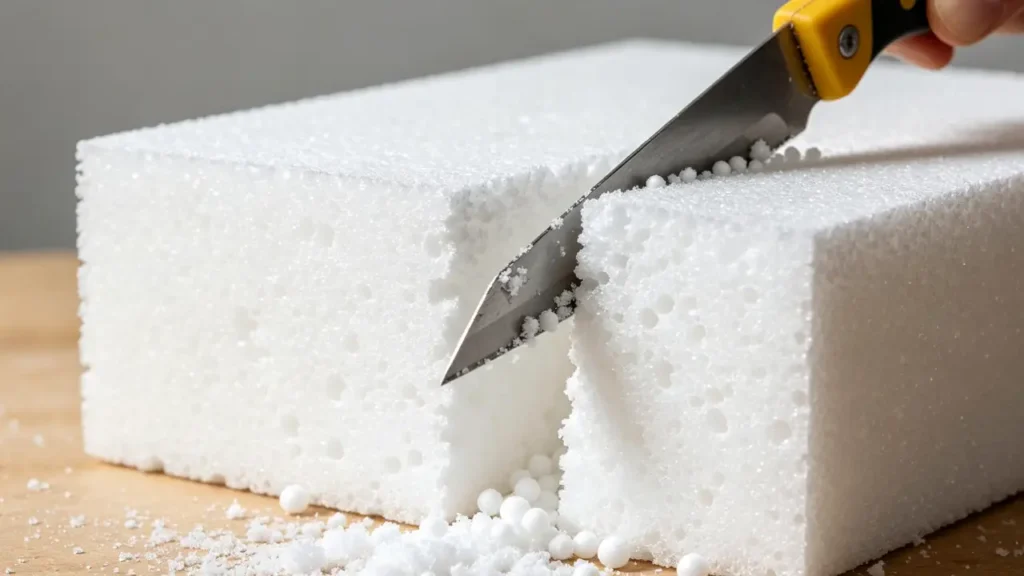
Cutting styrofoam at the right stage is essential for achieving accurate dimensions, smooth surfaces, and consistent foam quality. In EPS manufacturing, the cutting process depends on foam stability, production requirements, and final applications. Proper timing helps reduce material waste and ensures better performance of EPS products.
- During EPS Processing and Fabrication: In professional EPS production, cutting is an important fabrication step. Using suitable cutting methods and equipment at the correct time helps improve manufacturing efficiency, maintain foam quality, and ensure finished EPS blocks meet different application requirements.
- After EPS Block Formation: EPS blocks are typically cut after molding and stabilization. At this stage, the foam structure becomes more uniform, allowing professional cutting machines to create precise sizes, smooth edges, and high-quality surfaces for insulation, packaging, and construction applications.
- After Foam Aging and Stabilization: Allowing EPS foam to age before cutting improves dimensional stability. This process reduces internal stress and prevents deformation, ensuring cleaner cuts, better accuracy, and consistent quality for EPS blocks used in different industrial applications.
- Before Final Product Manufacturing: Cutting styrofoam before final processing allows manufacturers to customize foam sizes and shapes according to customer requirements. This step improves production efficiency and helps create suitable EPS materials for packaging, insulation boards, and other specialized applications.
- When Custom Sizes Are Required: Styrofoam cutting is necessary when standard EPS sizes cannot meet specific project needs. Professional EPS manufacturers use advanced cutting technology to produce customized thicknesses, dimensions, and shapes while maximizing material utilization and reducing unnecessary waste.
How to Cut Styrofoam?
Cutting styrofoam requires the right preparation, suitable tools, and proper techniques to achieve clean and accurate results. For EPS manufacturers, professional cutting methods help maintain foam quality, improve production efficiency, and reduce material waste.
In this guide, we will explain the essential steps, tools, and processes for cutting styrofoam effectively.
How to Cut Styrofoam?
Cutting styrofoam requires the right preparation, suitable tools, and proper techniques to achieve clean and accurate results. For EPS manufacturers, professional cutting methods help maintain foam quality, improve production efficiency, and reduce material waste. In this guide, we will explain the essential steps, tools, and processes for cutting styrofoam effectively.
Tools Needed
- Hot wire foam cutter for smooth and precise EPS cutting
- Electric foam cutting machine for industrial-scale applications
- Measuring tape and ruler for accurate dimensions
- Marker for creating cutting guidelines
- Protective gloves and safety equipment for operation
Step 1: Measure and Mark the Styrofoam
Before cutting styrofoam, accurate measurement is the first important step. Use professional measuring tools to determine the required dimensions based on the final application. Mark clear cutting lines on the EPS block surface to guide the cutting process and ensure consistent results during fabrication.
Proper marking helps avoid unnecessary material waste and improves cutting accuracy. For EPS manufacturers, precise measurements are essential when producing foam blocks for insulation, packaging, and customized applications. Clear guidelines allow cutting equipment to follow the correct path and achieve smooth, uniform foam surfaces.
Step 2: Choose the Right Cutting Method
Selecting the suitable cutting method depends on the styrofoam thickness, density, and application requirements. Manual tools may work for simple cuts, while professional EPS cutting machines provide higher precision and efficiency for large foam blocks. The right method ensures better quality and production performance.
For industrial EPS processing, hot wire cutting technology is commonly used because it creates clean edges and accurate shapes. Advanced cutting equipment can handle different foam sizes and improve manufacturing efficiency while maintaining consistent product quality for various industries and applications.
Step 3: Perform the Cutting Process
During the cutting process, operate the equipment carefully and follow the marked lines to achieve accurate results. Keep the cutting speed stable to prevent uneven edges or damage to the foam structure. Professional machines help maintain precision when processing large EPS blocks.
For EPS manufacturers, controlled cutting operations are important for producing reliable foam products. Using automated or CNC cutting systems can improve accuracy, reduce labor requirements, and create customized shapes according to customer specifications while maintaining high production standards.
Step 4: Check and Finish the Cut Surface
After cutting styrofoam, inspect the finished surface to ensure the dimensions meet the required specifications. Remove any remaining foam particles and check the edges for smoothness and consistency. Quality inspection helps guarantee that the final EPS material is ready for further processing or application.
Professional EPS manufacturers always perform quality checks after cutting operations. Accurate inspection reduces production errors and ensures every foam block meets customer requirements. A well-finished cutting process improves product appearance, performance, and reliability for insulation, packaging, and other industrial uses.
How to Cut Styrofoam Board With a Hot Wire?
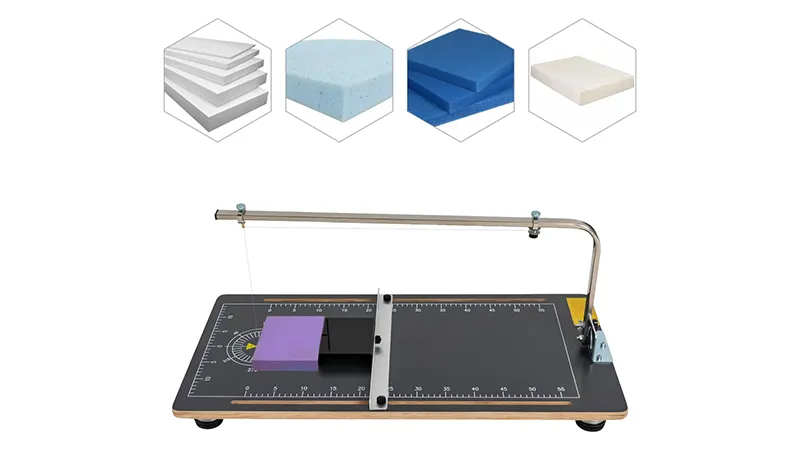
Cutting styrofoam board with a hot wire is an efficient method for creating smooth edges and accurate shapes. This technique is widely used in EPS manufacturing because it reduces surface damage and improves cutting precision. In this guide, we will explain the complete process, required tools, and important steps for hot wire foam cutting.
Tools Needed
- Hot wire foam cutter for precise styrofoam board cutting
- Power supply or temperature controller for wire adjustment
- Measuring tape and ruler for accurate sizing
- Marker or pencil for drawing cutting lines
- Protective gloves and safety equipment for operation
Step 1: Measure and Mark the Styrofoam Board
Before cutting with a hot wire, carefully measure the styrofoam board according to the required dimensions. Use a ruler or measuring tool to mark clear cutting lines on the foam surface. Accurate marking helps ensure the hot wire follows the correct path during the cutting process.
For EPS manufacturers, precise measurements are essential to maintain product consistency and reduce material waste. Clear cutting guidelines allow operators to achieve uniform foam sizes, especially when producing insulation boards, packaging materials, or customized EPS components for different industrial applications.
Step 2: Prepare the Hot Wire Cutter
Before starting the cutting process, check that the hot wire cutter is properly installed and adjusted. Ensure the wire is straight, securely connected, and heated to the suitable temperature. Proper preparation helps create smooth cuts without damaging the styrofoam board structure.
The cutting temperature should match the foam density and thickness. For professional EPS processing, controlling the hot wire temperature and cutting speed is important for achieving clean edges. A well-prepared cutting system improves efficiency and ensures consistent results during foam fabrication.
Step 3: Cut the Styrofoam Board Slowly
Place the hot wire along the marked cutting line and move it through the styrofoam board at a steady speed. Avoid pushing the wire too quickly, as uneven movement may create rough edges or inaccurate shapes. Smooth operation helps maintain cutting quality.
In industrial EPS production, hot wire cutting machines are designed to provide stable movement and precise results. Professional equipment can process different board thicknesses efficiently, making it suitable for insulation materials, construction applications, and customized foam products requiring accurate dimensions.
Step 4: Inspect and Finish the Cut Surface
After cutting the styrofoam board, check the finished edges and dimensions to confirm they meet the required standards. Remove loose foam particles and inspect the surface quality. Proper finishing ensures the foam board is ready for further processing or final applications.
EPS manufacturers perform quality inspections to maintain consistent product performance. A clean and accurate hot wire cutting process improves appearance, reduces additional processing needs, and helps deliver reliable styrofoam solutions for customers in construction, packaging, and other industries.
-300x300.webp)
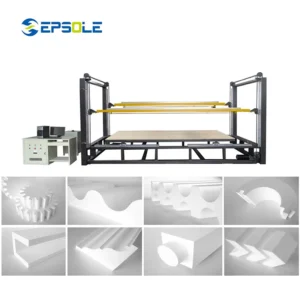
How to Cut Styrofoam Blocks With a Knife?
Cutting styrofoam blocks with a knife is a simple method for creating basic shapes and adjustments. Although professional EPS manufacturers often use advanced cutting equipment, selecting the right knife and technique can still achieve acceptable results for specific applications.
This guide explains the necessary tools and steps for cutting EPS blocks safely and accurately.
Tools Needed
- Sharp utility knife or foam cutting knife
- Measuring tape or ruler for accurate dimensions
- Marker for drawing cutting guidelines
- Straight edge or cutting guide for precise lines
- Protective gloves for safer operation
Step 1: Measure and Mark the Styrofoam Block
Before cutting the styrofoam block, measure the required dimensions according to the final application. Use a ruler or measuring tool to create accurate markings on the foam surface. Clear cutting lines help guide the knife and prevent unnecessary material loss during the cutting process.
For EPS applications, precise measurement ensures better consistency and improves the quality of finished foam products. Whether adjusting insulation blocks or preparing customized foam materials, proper marking helps achieve cleaner cuts and reduces mistakes during manual cutting operations.
Step 2: Select the Right Knife for Cutting
Choosing a suitable knife is important when cutting styrofoam blocks. A sharp utility knife or specialized foam knife can create cleaner cuts compared with dull tools. The blade should be long enough to cut through the required foam thickness without excessive force.
Professional EPS manufacturers understand that tool selection affects cutting quality and efficiency. Although knives are suitable for smaller adjustments, thicker EPS blocks usually require hot wire cutters or industrial machines to achieve smoother surfaces and higher precision.
Step 3: Cut the Styrofoam Block Carefully
Start cutting along the marked line with steady and controlled movements. Avoid applying too much pressure because forcing the knife may cause uneven edges or damage the foam structure. Multiple shallow cuts are often better than one deep cut for achieving cleaner results.
When processing EPS blocks, careful cutting helps maintain the material’s shape and performance. For small-scale modifications, a knife can provide flexibility, while large-volume production requires professional EPS cutting solutions for improved speed, accuracy, and consistency.
Step 4: Check and Smooth the Cut Surface
After cutting the styrofoam block, inspect the edges and dimensions to ensure they match the required specifications. Remove loose foam pieces and smooth any uneven areas if necessary. A final inspection helps prepare the EPS material for installation or additional processing.
For EPS manufacturers, quality control is an important part of foam production. Checking each cut surface ensures reliable performance and consistent results. Proper finishing improves the appearance, accuracy, and usability of styrofoam blocks for different industrial applications.
How to Cut Styrofoam at Home With a Sawing?
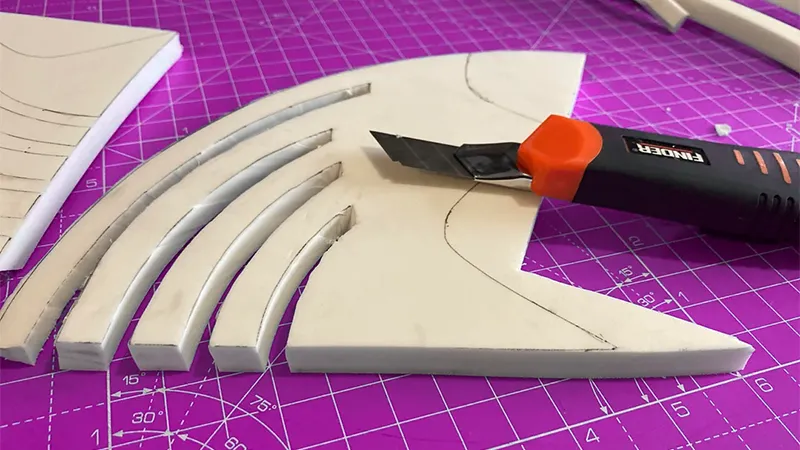
How to Cut Styrofoam at Home With a Sawing?
Cutting styrofoam with a saw is a practical method for making basic foam adjustments and shaping. Although EPS manufacturers usually rely on professional cutting machines for higher accuracy, a suitable saw can handle simple cutting tasks. This guide explains the required tools and steps to cut styrofoam safely with a saw.
Tools Needed
- Fine-tooth hand saw for smoother foam cutting
- Measuring tape or ruler for accurate sizing
- Marker for drawing cutting guidelines
- Straight edge for guiding the saw movement
- Protective gloves and safety equipment
Step 1: Measure and Mark the Styrofoam
Before sawing styrofoam, measure the required dimensions according to your project needs. Use a ruler or measuring tape to mark clear cutting lines on the foam surface. Accurate markings help guide the saw, prevent material waste, and ensure better cutting results. For EPS applications, proper measurement improves consistency and helps achieve suitable sizes for insulation, packaging, and other foam products.
Step 2: Choose a Suitable Saw
Selecting the right saw is important for achieving cleaner styrofoam cuts. A fine-tooth saw is recommended because it reduces foam damage and creates smoother edges compared with rough blades. For small cutting tasks, a hand saw can be effective, while professional EPS manufacturers use advanced cutting machines for thicker blocks and large-scale production with higher precision.
Step 3: Saw the Styrofoam Carefully
Place the saw along the marked cutting line and move it slowly with steady pressure. Avoid using excessive force, as this may crush the foam or create uneven edges. Controlled sawing helps maintain the foam structure and improves the final surface quality. For industrial EPS processing, automated cutting systems provide faster operation, cleaner cuts, and consistent results.
Step 4: Inspect and Finish the Cut Surface
After cutting the styrofoam, check the finished dimensions and edge quality to ensure they meet the required specifications. Remove loose foam particles and smooth any uneven areas if needed. Proper inspection helps prepare the material for further use. EPS manufacturers always focus on quality control to ensure foam products deliver reliable performance and consistent results.
How to Cut Styrofoam Cleanly With CNC Cutting Machine?
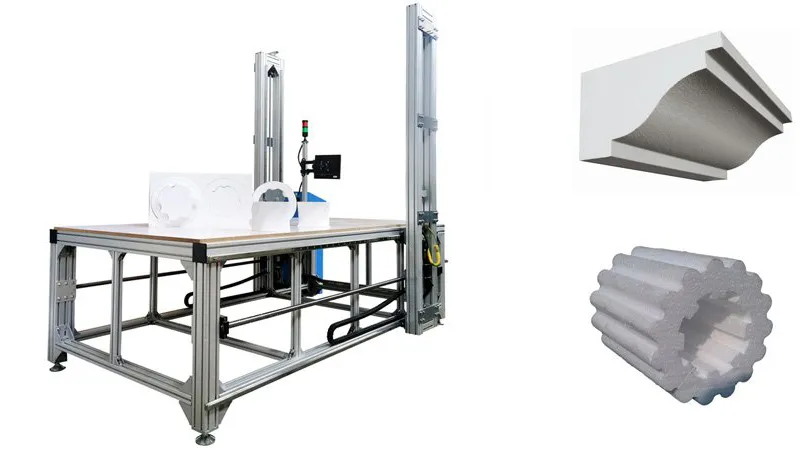
How to Cut Styrofoam Cleanly With CNC Cutting Machine?
CNC cutting machines provide an efficient and precise solution for cutting styrofoam blocks into customized shapes and sizes. Compared with manual methods, CNC technology offers better accuracy, smoother edges, and consistent results. In EPS manufacturing, advanced CNC cutting equipment helps improve production efficiency while meeting the requirements of insulation, packaging, and specialized foam applications.
Tools Needed
- CNC foam cutting machine for precise styrofoam processing
- Computer control system with cutting software
- Measuring tools for size verification
- Design files or CAD drawings for cutting patterns
- Safety equipment for machine operation
Step 1: Prepare the CNC Cutting Design
Before cutting styrofoam with a CNC machine, create or import the required design file into the control system. Adjust the dimensions, cutting paths, and shape settings according to the final product requirements. Accurate digital preparation ensures the machine follows the correct instructions during the cutting process.
For EPS manufacturers, CNC design preparation is an essential step for producing customized foam components. Proper programming reduces cutting errors, improves material utilization, and allows manufacturers to create complex shapes with high accuracy for different industrial applications and projects.
Step 2: Set Up the CNC Cutting Machine
Before operation, check the CNC cutting machine settings and ensure all components are working properly. Install the styrofoam block securely on the cutting platform and adjust the cutting parameters, including speed, depth, and tool settings, according to foam density and thickness.
Proper machine setup helps achieve clean and consistent cutting results. In EPS production, manufacturers carefully adjust CNC parameters to prevent foam damage and maintain surface quality. A well-calibrated machine improves efficiency and ensures reliable performance during continuous foam processing operations.
Step 3: Start the CNC Cutting Process
Once the machine settings are confirmed, start the CNC cutting process and monitor the operation carefully. The automated system follows the programmed design to cut the styrofoam block accurately. Stable cutting movement helps create smooth surfaces, precise dimensions, and complex foam shapes.
CNC cutting technology is widely used in professional EPS manufacturing because it improves production speed and reduces manual labor. Compared with traditional cutting methods, CNC machines provide higher repeatability, making them suitable for large-volume production and customized foam applications.
Step 4: Inspect and Finish the Cut Styrofoam
After the CNC cutting process is complete, inspect the finished styrofoam product to check dimensions, edges, and surface quality. Remove any remaining foam particles and confirm that the final shape matches the design requirements. Proper inspection ensures the product meets customer expectations.
For EPS manufacturers, quality control after CNC cutting is important for maintaining consistent product standards. Accurate inspection helps identify potential issues early and ensures finished EPS blocks or components provide reliable performance for insulation, packaging, construction, and other applications.
Safety Precautions about Styrofoam Cutting
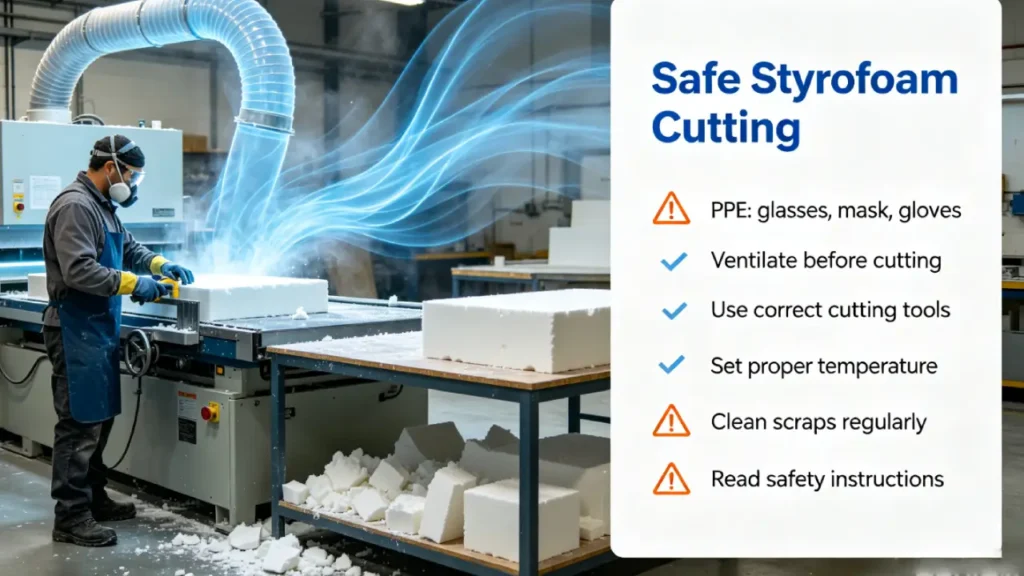
Styrofoam cutting requires proper safety measures to protect operators, maintain cutting quality, and ensure efficient processing. Although EPS foam is lightweight and easy to shape, improper cutting methods may create dust, fumes, or operational risks.
Following professional safety practices helps manufacturers and users achieve safer and more reliable foam cutting results.
- Follow Equipment Operating Guidelines: Always operate cutting machines according to safety instructions and technical requirements. Operators should understand machine functions before starting production. For professional EPS processing, regular equipment checks and employee training help prevent operational mistakes and maintain consistent cutting performance.
- Wear Proper Protective Equipment: Use safety gloves, protective glasses, and suitable masks when cutting styrofoam. Protective equipment helps reduce exposure to foam particles and prevents accidental injuries during operation. For EPS manufacturers, ensuring operators follow safety requirements improves workplace protection and supports safer production environments.
- Ensure Proper Ventilation: Cutting styrofoam, especially with hot wire equipment, should be performed in a well-ventilated area. Good airflow helps remove fumes and airborne particles generated during the cutting process. Industrial EPS facilities usually install ventilation systems to maintain cleaner air and provide a safer working environment.
- Use Suitable Cutting Tools: Choosing the correct cutting equipment is essential for safe and efficient styrofoam processing. Hot wire cutters, CNC machines, and professional EPS cutting systems should be operated according to manufacturer instructions. Proper tools reduce cutting errors, improve accuracy, and minimize potential safety risks.
- Control Cutting Temperature: When using hot wire cutting machines, maintaining the correct temperature is important. Excessive heat may affect foam quality and create unnecessary fumes. EPS manufacturers carefully adjust cutting parameters based on foam density and thickness to achieve smooth cuts while maintaining safe operation.
- Keep the Workspace Clean: A clean cutting area helps prevent accidents and improves production efficiency. Remove foam scraps, dust, and unnecessary materials around the cutting equipment. Regular cleaning and maintenance ensure machines operate properly while reducing potential hazards during styrofoam cutting operations.
Tips for Cutting Styrofoam Like a Pro
Achieving professional styrofoam cutting results requires the right equipment, proper techniques, and careful handling. Whether processing EPS blocks for insulation, packaging, or customized applications, accurate cutting helps improve product quality and reduce material waste. These expert tips will help you understand how professional EPS manufacturers achieve cleaner, smoother, and more efficient cutting results.
Maintain Cutting Equipment Regularly: Regular maintenance keeps cutting machines operating efficiently and safely. Check wires, blades, motors, and control systems to prevent performance issues. For EPS manufacturers, proper equipment maintenance reduces downtime, extends machine lifespan, and ensures stable production quality during continuous foam cutting operations.
Choose the Right Cutting Method: Selecting the proper cutting method depends on foam thickness, density, and application requirements. Hot wire cutters, CNC machines, and other professional EPS cutting equipment provide different advantages. Using suitable technology helps achieve precise dimensions, smooth edges, and consistent results for various styrofoam applications.
Measure Before Cutting: Accurate measurement is one of the most important steps in styrofoam cutting. Always confirm required dimensions and mark clear cutting lines before operation. Professional EPS manufacturers rely on precise measurements to reduce material waste, improve production efficiency, and ensure every foam block meets customer specifications.
Maintain a Stable Cutting Speed: Keeping a consistent cutting speed helps create smoother surfaces and prevents uneven edges. Cutting too quickly may damage the foam structure, while moving too slowly can affect efficiency. Professional operators adjust cutting speed according to foam density, thickness, and equipment performance.
Use Sharp and Suitable Tools: Sharp cutting tools improve accuracy and reduce unnecessary pressure on styrofoam materials. Dull blades or unsuitable equipment may create rough surfaces and increase material waste. For industrial EPS production, using advanced cutting machines ensures better precision, higher efficiency, and improved product consistency.
Control Heat When Using Hot Wire: Hot wire cutting requires proper temperature control to achieve clean results. Excessive heat may melt too much foam and affect surface quality, while insufficient heat may slow the process. Professional EPS manufacturers adjust temperature settings according to material characteristics for optimal cutting performance.
Inspect Each Cut Carefully: Quality inspection after cutting helps identify dimensional errors, rough edges, or surface defects. Checking finished foam products ensures they meet application requirements before further processing. Professional EPS suppliers use inspection procedures to maintain consistent quality and provide reliable foam solutions for customers.
How to Cut Styrofoam Insulation?
To cut Styrofoam insulation, you can use a utility knife, hot wire cutter, or a fine-toothed saw. Start by marking the desired cut lines on the Styrofoam. Use a straight edge to guide your cuts and make multiple passes with the knife to achieve a clean cut. If using a hot wire cutter, allow the wire to heat up and then carefully guide it along the marked lines.
How to Cut a Perfect Circle in Styrofoam?
Cutting Styrofoam with a battery involves using a battery-powered hot wire cutter. These devices use the battery to heat the wire, which then melts through the Styrofoam. To use, simply turn on the hot wire cutter, allow the wire to heat up, and guide it along your marked lines. This method is effective for detailed and precise cuts.
How do I Cut Letters from Styrofoam?
Cutting letters from Styrofoam can be done using a hot wire cutter or a sharp craft knife. Start by printing out the letters in the desired font and size, then trace them onto the Styrofoam. Carefully cut along the traced lines with your chosen tool, making sure to go slowly to achieve clean edges. Sand any rough spots with fine sandpaper for a polished finish.
How do I Cut Thick Styrofoam Board?
To cut thick Styrofoam board, a hot wire cutter or a fine-toothed saw is recommended. Secure the Styrofoam on a stable surface to prevent movement. For straight cuts, a hot wire cutter will provide a smooth finish. For more intricate cuts, a fine-toothed saw, such as a coping saw, can be used. Cut slowly and steadily to avoid breaking the Styrofoam.
Conclusion
Cutting styrofoam correctly helps improve product quality, reduce material waste, and achieve better performance in insulation and packaging applications. Whether using manual tools or professional foam cutting equipment, choosing the right method is essential for creating clean and accurate EPS foam shapes.
With years of experience in EPS manufacturing, we provide high-quality EPS solutions for customers worldwide. Our expertise covers EPS blocks and foam products designed for various applications, ensuring reliable performance, consistent quality, and efficient processing for different projects.
If you are looking for durable and customizable EPS materials, Epsole is your trusted partner for wholesale EPS blocks. We offer professional manufacturing capabilities, competitive pricing, and dependable service to meet your foam production needs. Contact us today to get suitable EPS solutions for your business.