
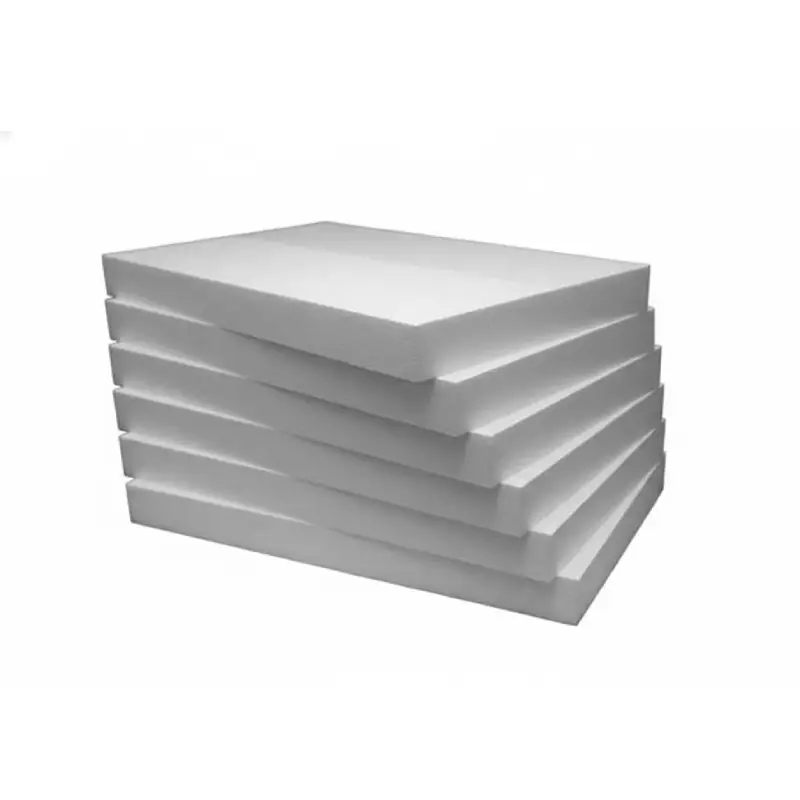
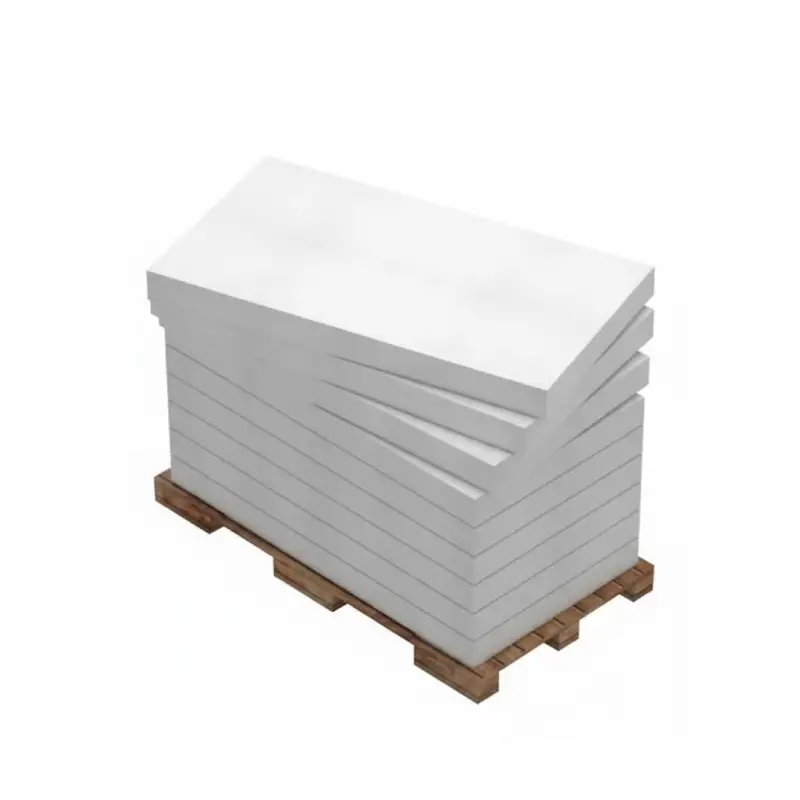
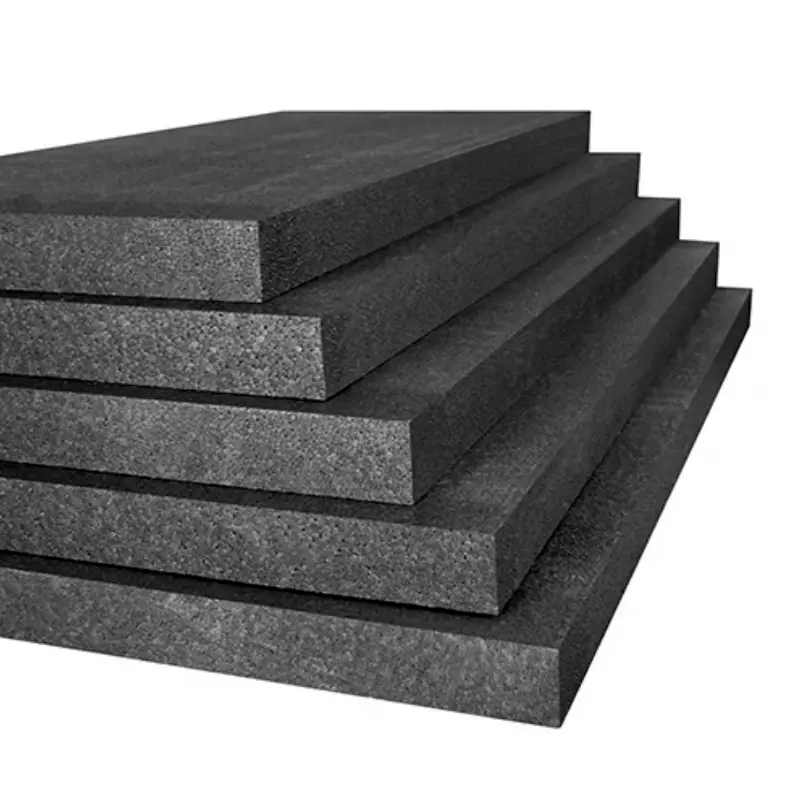
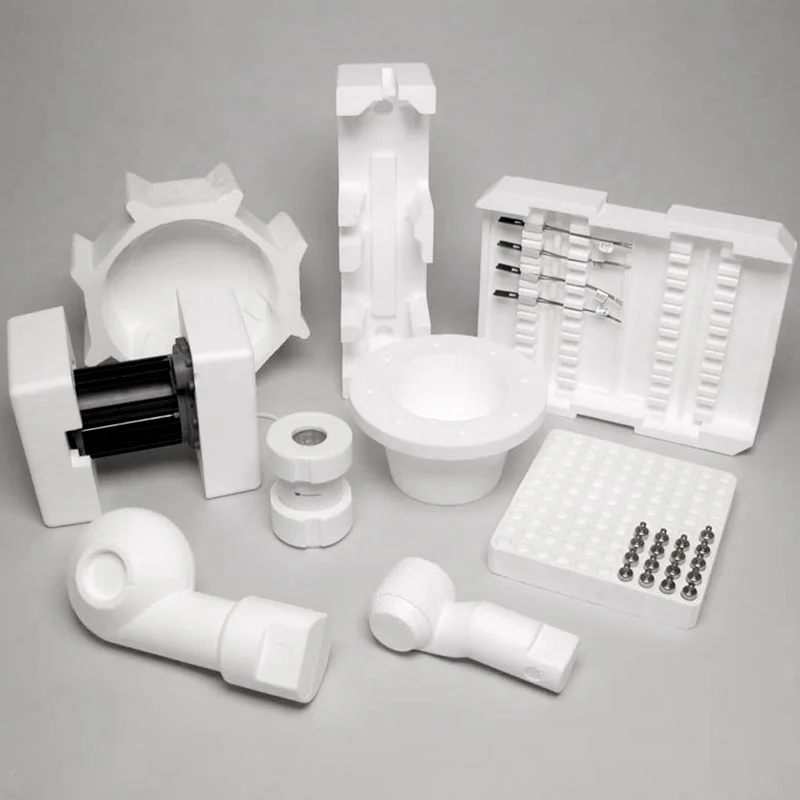
high density eps foam sheets

EPS Sheets

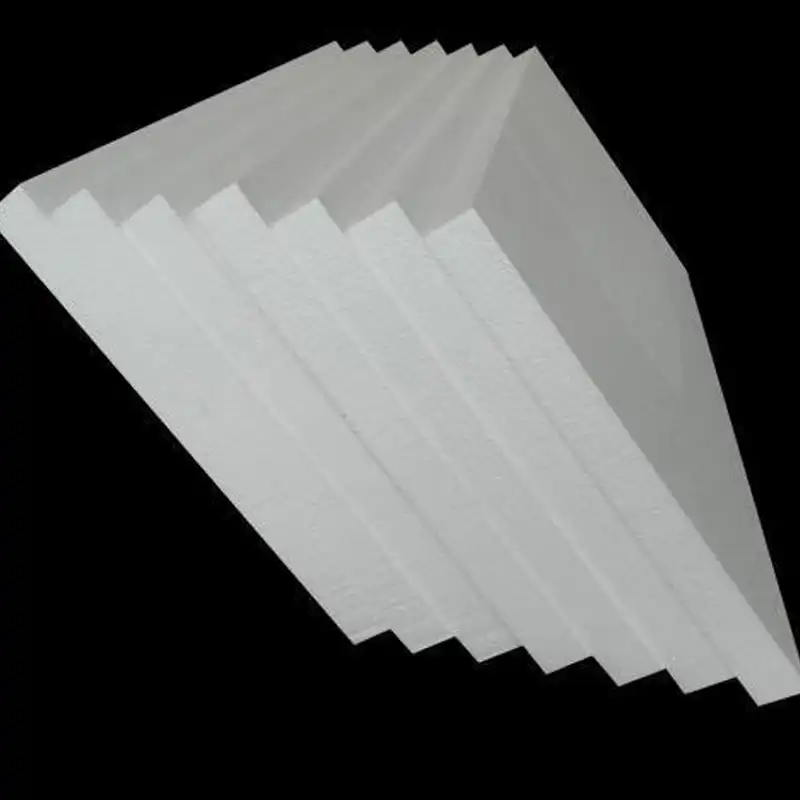
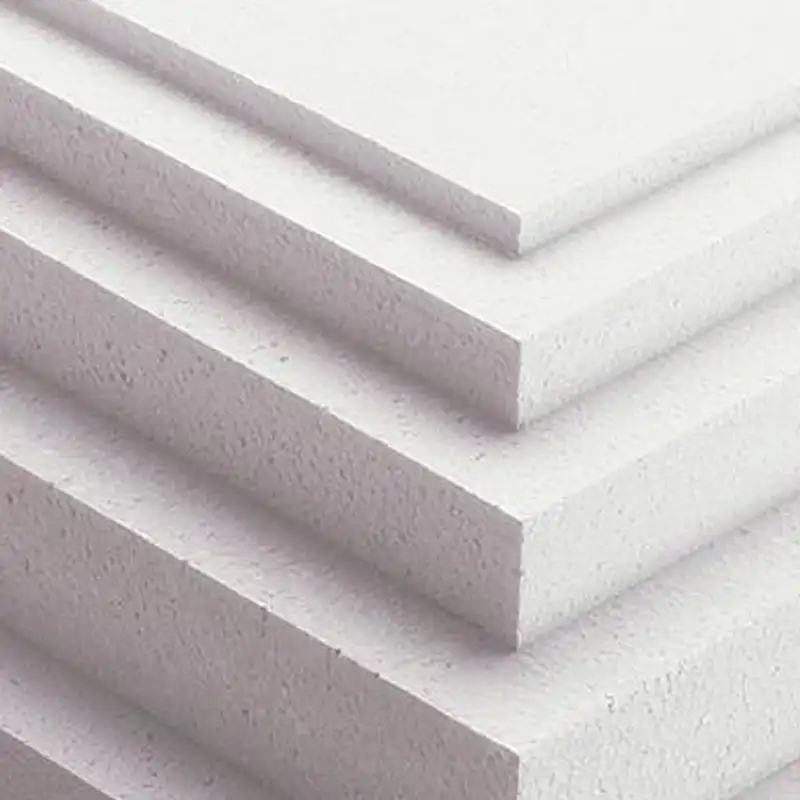
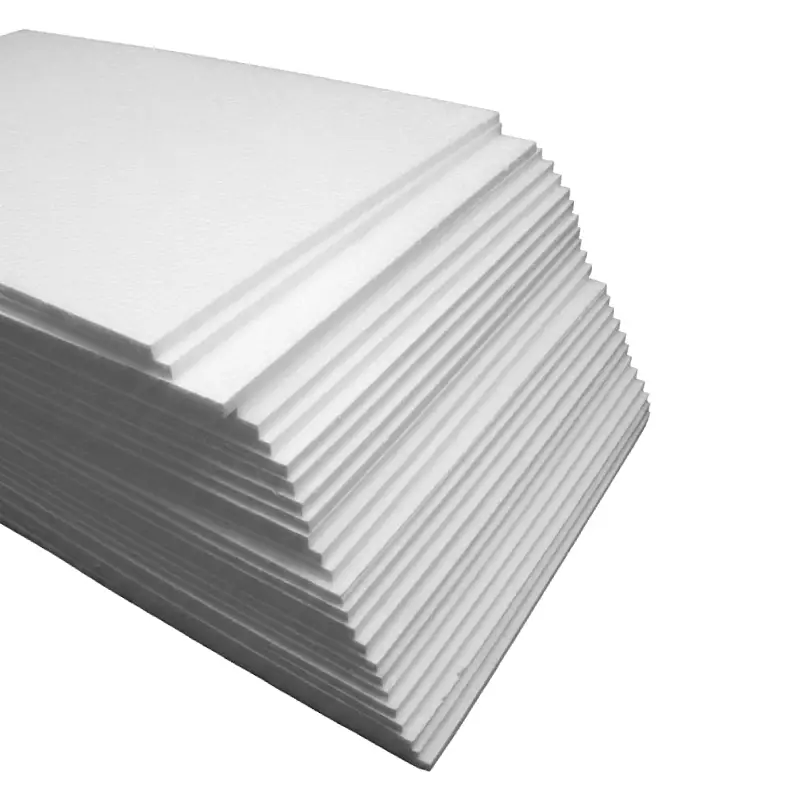
Are you still looking for a reliable manufacturer to sell premium EPS sheets with high quality and good performance? Here we can supply the bulk EPS sheets, various in different sizes, lengths, thickness and etc to meet your requirement. 

Our EPS Sheets

EPS sheets, or Expanded Polystyrene sheets, are lightweight, rigid, and versatile materials commonly used in various industries for packaging, insulation, construction, and crafting purposes.

  • Lightweight: EPS sheets are easy to handle and transport, reducing shipping costs and labor during installation. Their light nature also makes them ideal for various applications.

  • Energy Efficiency: These sheets provide excellent thermal insulation, helping to maintain consistent temperatures and reduce energy costs. They are highly effective in homes, offices, and industrial settings.

  • Durability: EPS sheets are resistant to moisture, mold, and mildew. This makes them long-lasting and suitable for use in areas with high humidity or extreme temperatures.

  • Cost-Effective: EPS sheets are affordable compared to other insulation materials. Their low material cost and ease of installation make them an attractive choice for budget-conscious projects.

How to Manufacture EPS Sheets

Manufacturing EPS (Expanded Polystyrene) sheets involves several steps. Here’s a step-by-step guide of the typical EPS sheet manufacturing process:

Step 1: Raw Material Preparation:

  • The primary EPS raw material for EPS sheets is polystyrene resin, which is typically in the form of small beads.
  • The beads may undergo pre-expansion, where they are exposed to steam to expand them to a larger size. This step improves the moldability of the beads and reduces their density.

Step 2: Molding:

  • Expanded polystyrene beads are placed into a mold cavity that corresponds to the desired shape and size of the EPS sheet.
  • The mold cavity is then heated, typically using steam, which causes the beads to expand further and fuse together, forming a solid sheet of EPS foam.

Step 3: Cooling and Shaping

  • Once the EPS sheet has been molded by the EPS shape moulding machine, it is cooled rapidly to set its shape.
  • Some manufacturing processes may involve additional shaping or cutting steps to trim the sheet to the desired dimensions.

Step 4: Quality Control:

  • Quality control checks are conducted to ensure that the EPS sheets meet the required specifications for density, thickness, dimensions, and other properties.
  • Any defective or out-of-spec sheets are removed from the production line.

Step 5: Packaging and Storage:

  • The finished EPS sheets are packaged and prepared for shipment to customers or storage in inventory.
  • Proper packaging helps protect the EPS sheets from damage during transportation and storage.

Step 6: Optional Surface Treatment:

  • Depending on the intended application, EPS sheets may undergo additional surface treatments or coatings to enhance their properties.
  • Surface treatments may include flame retardants, anti-static additives, or coatings for UV resistance and durability.

Step 7: Environmental Considerations:

  • Efforts are made to minimize waste and environmental impact throughout the manufacturing process.
  • EPS manufacturing facilities may implement recycling programs to manage and reuse waste materials generated during production.

It’s important to note that specific manufacturing processes for EPS sheets may vary depending on factors such as the equipment used, the desired characteristics of the final product, and the requirements of the end-use applications. Additionally, adherence to safety protocols and regulations is essential to ensure worker safety and environmental compliance during EPS sheet manufacturing.

wholesale z lock eps panels

sandwich EPS sheets

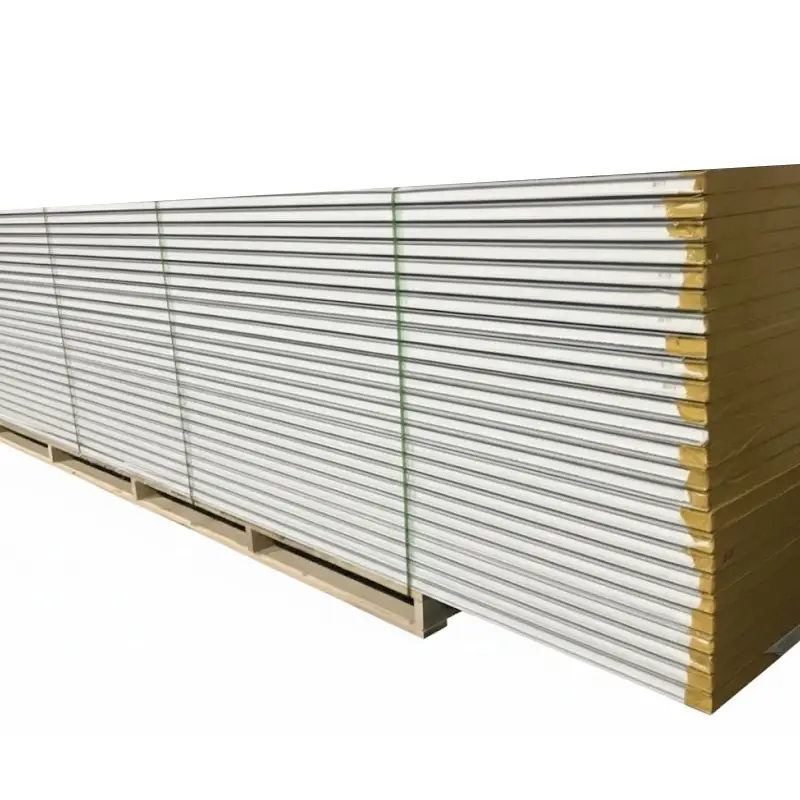
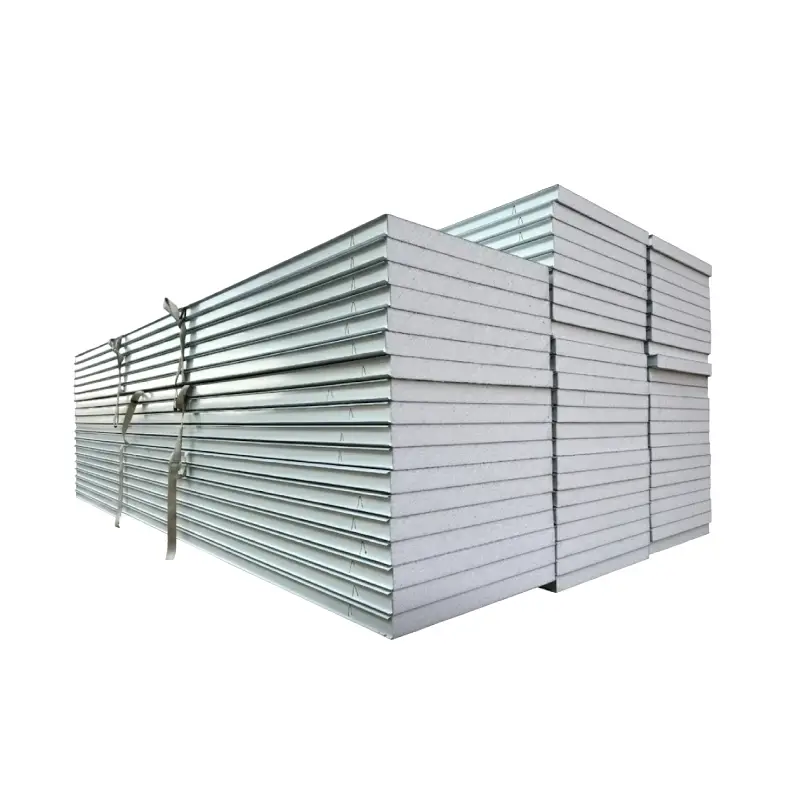
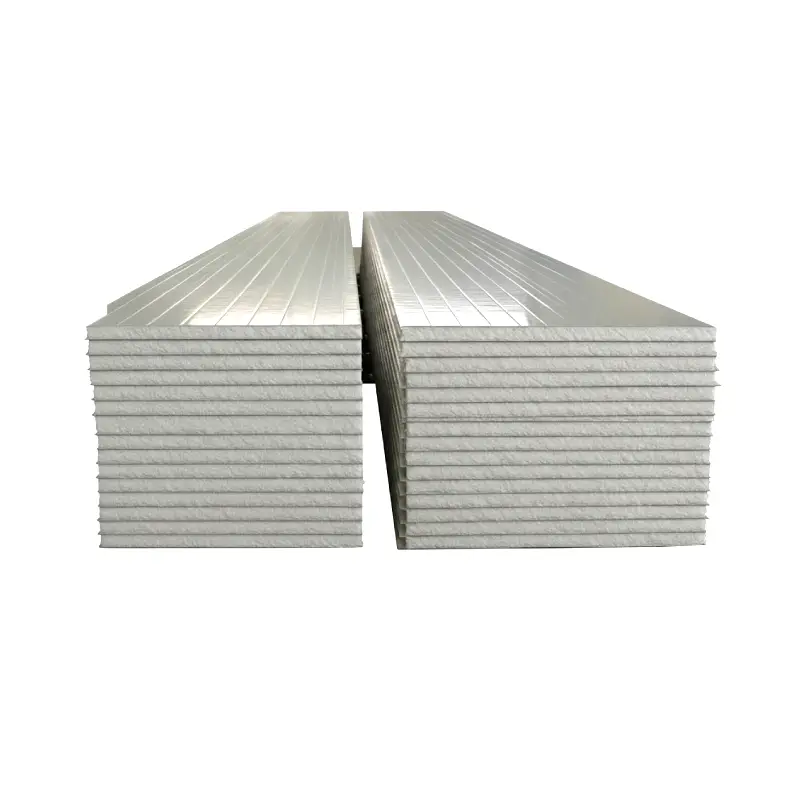
Sandwich EPS sheets we offer combine lightweight EPS cores with durable surface layers for insulation panels, roofing, and wall systems. They provide thermal efficiency, structural stability, and easy installation. Available in various thicknesses and sizes, suitable for industrial, commercial, and prefabricated building projects worldwide.

expanded polystyrene eps sheet

expanded polystyrene EPS sheet

Expanded polystyrene EPS sheets we offer are lightweight, easy to cut, and suitable for insulation, packaging, and construction applications. They provide thermal insulation, cushioning performance, and stable structure. Available in various densities, thicknesses, and sizes to support custom projects and bulk supply needs.

eps foam sheets

EPS foam sheets

EPS foam sheets we offer are lightweight, durable, and easy to process, suitable for insulation, packaging, and protective applications. They provide thermal resistance, shock absorption, and stable performance. Available in custom sizes, densities, and thicknesses for wholesale supply and long-term project use.

eps wall paneling sheets

EPS wall paneling sheets

EPS wall paneling sheets we offer are lightweight, durable, and designed for thermal insulation and wall cladding systems. They are easy to cut, install, and customize, making them suitable for residential, commercial, and industrial construction projects. Available in various thicknesses and sizes for bulk supply.

insulated eps sheets

EPS insulated sheets with customized thickness

EPS insulated sheets with customized thickness we offer are designed for flexible insulation needs in construction, cold storage, and packaging. Available in various densities and sizes, these sheets provide stable thermal performance, easy handling, and cost efficiency. Ideal for bulk orders and project-specific requirements.

grooved eps sheet

grooved EPS sheets

Grooved EPS sheets we offer are designed to enhance adhesion in wall insulation and construction systems. The grooved surface improves bonding with mortar, plaster, or coatings, ensuring stable installation. Lightweight, easy to cut, and customizable in size and thickness, they are suitable for residential and commercial building projects.

styrofoam eps sheet

styrofoam EPS sheets

Styrofoam EPS sheets we offer are durable, lightweight, and versatile, ideal for insulation, packaging, and craft projects. Available in various sizes and thicknesses, they provide excellent thermal performance, moisture resistance, and easy handling. Perfect for construction, industrial, and creative applications, we supply bulk orders worldwide with reliable quality and fast delivery.

black eps sheets

Black EPS sheets

Black EPS sheets we offer are lightweight, durable, and designed for thermal insulation and packaging applications. The black color helps with heat absorption and UV resistance in specific uses. Available in custom sizes and densities, they are suitable for construction, industrial, and protective packaging projects.

impact resistant EPS foam​

impact resistant EPS foam

We offer impact-resistant EPS foam, designed to provide superior protection in various applications. Its lightweight yet durable structure absorbs and disperses energy effectively, making it ideal for packaging, construction, and automotive industries. Our EPS foam ensures long-lasting performance and reliable impact resistance for a variety of high-demand uses.

EPS Sheets Applications

EPS (Expanded Polystyrene) sheets find a multitude of applications across various industries due to their versatile properties. 

Here’s an overview of some common EPS sheet applications:

EPS Foam Packaging Industry Usage

Packaging

EPS sheets are extensively used in packaging applications due to their lightweight nature and excellent shock-absorbing properties. They are employed to protect fragile items during shipping and handling, including electronics, glassware, ceramics, and pharmaceuticals.

Insulation

Insulation

One of the primary applications of EPS sheets is thermal insulation. They are widely used in the construction industry to insulate walls, roofs, floors, and foundations. EPS sheets help maintain indoor temperatures, reduce energy consumption for heating and cooling, and enhance building energy efficiency.
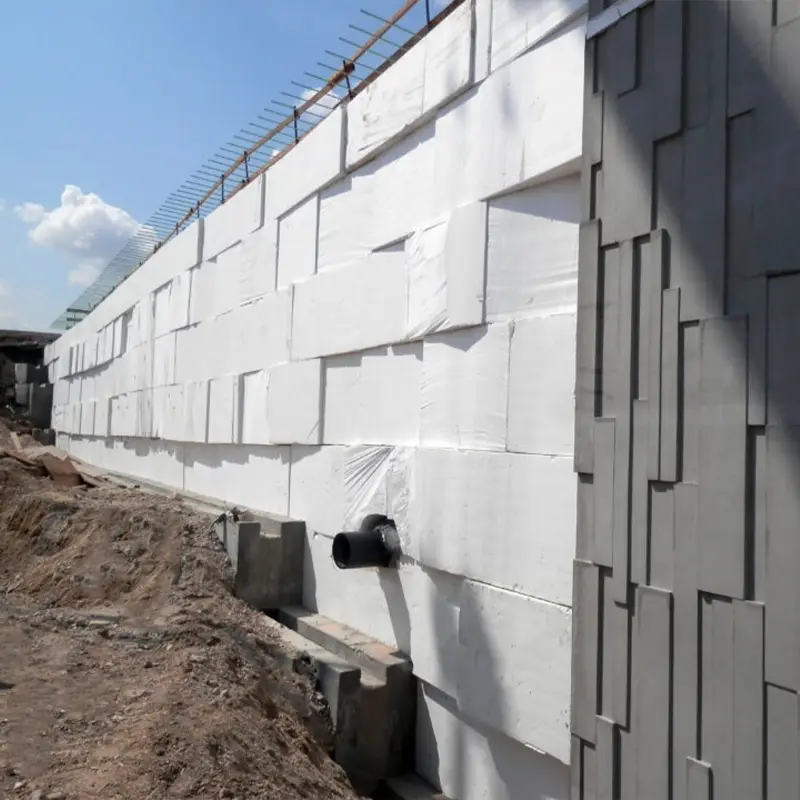
EPS Foam for Construction

Construction

EPS sheets serve various purposes in construction projects. They are used as formwork for concrete construction, providing temporary molds for pouring concrete in walls, slabs, and columns. EPS sheets are also utilized as lightweight fill material for road embankments, bridge approaches, and landscape grading.
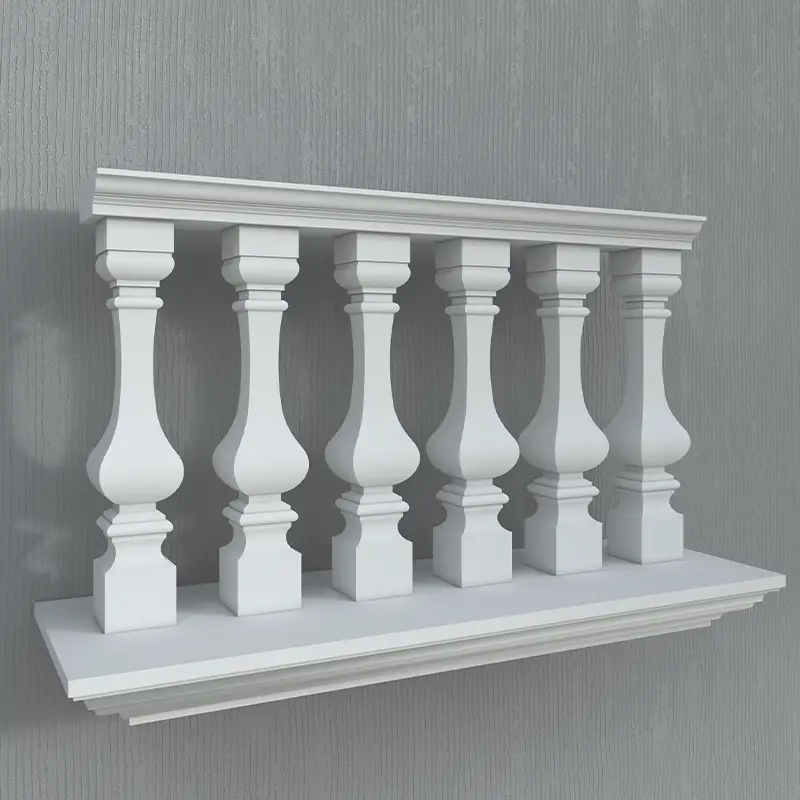
EPS foam for Arts and Crafts

Crafting and Modeling

EPS foam is commonly used in the food service industry for packaging food and beverages, such as foam cups, containers, and trays. EPS recycling machines play a vital role in recycling EPS foam food packaging waste, helping restaurants, cafeterias, and food manufacturers minimize waste and reduce their environmental footprint.

eps cups for medical

Medical

EPS sheets find applications in the medical industry for cushioning and support. They are used in orthotics and prosthetics for padding and shaping custom-fitted devices. EPS sheets are also employed in medical packaging for transporting and storing sensitive medical equipment and supplies.
soundproof eps sheets

Soundproofing

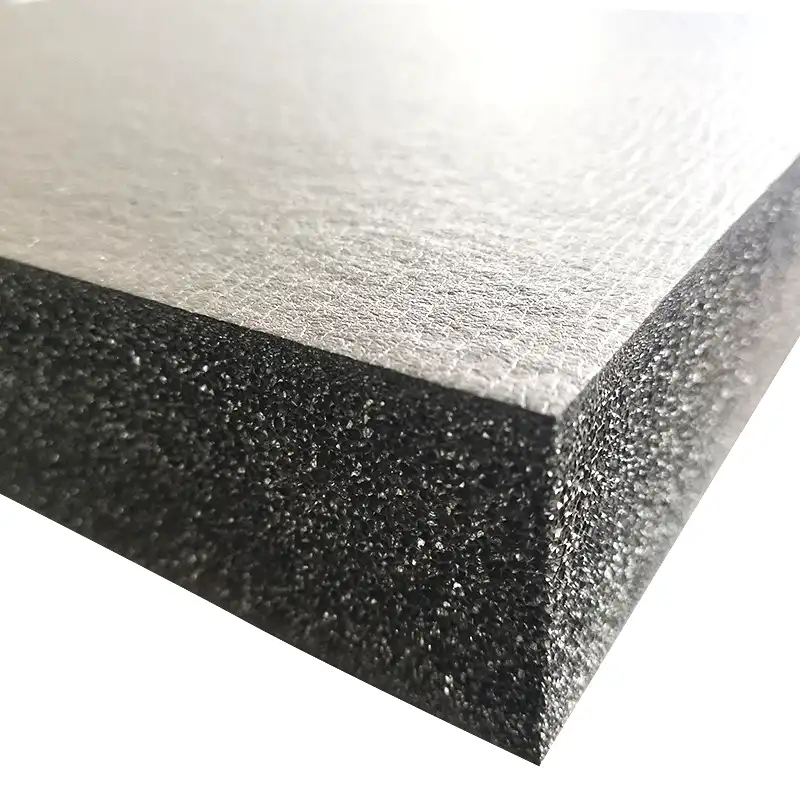
EPS sheets are utilized in soundproofing applications to reduce noise transmission between rooms or buildings. They are installed in walls, ceilings, and floors to absorb and block sound vibrations, improving acoustic comfort in residential, commercial, and industrial spaces.

Why Choose Our EPS Sheets

  • Superior Insulation: Our EPS sheets provide excellent thermal insulation, helping to maintain consistent indoor temperatures and reduce energy costs for heating and cooling.

  • Lightweight and Easy to Handle: Our EPS sheets are lightweight, making them easy to transport, handle, and install, saving time and labor costs during construction or packaging operations.

  • Exceptional Strength and Durability: Despite their lightweight nature, our EPS sheets offer high strength and durability, ensuring reliable performance and long-lasting insulation or protection for your products or structures.

  • Cost-Effectiveness: Choosing our EPS sheets is a cost-effective solution for insulation, packaging, and construction needs. Their affordability and energy-saving properties contribute to overall long-term cost savings.

  • Environmentally Friendly: Our EPS sheets are recyclable, contributing to sustainability efforts by reducing waste and minimizing environmental impact. Additionally, EPS is an inert material that does not release harmful chemicals into the environment.

FAQs about EPS Sheets

What are EPS sheets?

EPS sheets are rigid, lightweight panels made from expanded polystyrene foam. They are commonly used for insulation, packaging, construction, and various other applications.

EPS sheets are produced by expanding polystyrene beads using steam and pressure, which causes them to fuse and form a closed-cell structure. The resulting foam is then molded into sheets of various thicknesses and densities.

EPS sheets offer excellent thermal insulation, high strength-to-weight ratio, moisture resistance, shock absorption, and versatility. They are also lightweight, cost-effective, recyclable, and environmentally friendly.

EPS sheets are used in a wide range of applications, including insulation for buildings, packaging for fragile items, formwork in construction, crafting and modeling, marine flotation, horticultural insulation, and soundproofing.

EPS sheets are recyclable and can be reused in various applications, making them environmentally friendly. Additionally, EPS manufacturing processes have become more energy-efficient in recent years, reducing their environmental impact.

Choosing the right EPS sheets for your project involves considering factors like insulation needs, strength, and application.

Selecting the correct type ensures maximum efficiency, durability, and cost-effectiveness. Below are key factors to consider when making your decision.

  • Density: The density of EPS sheets determines their strength and insulation properties. Higher density provides better durability and thermal performance, while lower density is lighter and more cost-effective for specific uses.

  • Thickness: The thickness of the EPS sheet impacts its insulating ability. Thicker sheets provide higher R-values, offering better energy efficiency. For construction, thicker insulation is often necessary to meet building codes and energy performance standards.

  • Application Type: Consider the specific application of the EPS sheet—whether for thermal insulation, soundproofing, or packaging. Some applications require sheets with specific properties, such as moisture resistance or impact resistance, so it’s important to match the material with the need.

  • Environmental Conditions: EPS sheets should be selected based on the environment in which they will be used. For outdoor or high-moisture areas, choose EPS that has been treated for water resistance and durability under extreme conditions.

  • Cost-Effectiveness: While higher-density EPS sheets may offer better performance, they can also come at a higher price. It’s important to balance cost with performance needs, choosing the right product based on the project’s budget and performance requirements.

EPS sheets are not naturally fire-resistant in their standard form. The material itself is highly flammable, and when exposed to heat or flame, it can ignite quickly and emit toxic gases.

However, fire-retardant additives can be applied during manufacturing to improve the fire resistance of EPS sheets, making them safer for use in certain applications. These treated EPS sheets are designed to slow down the ignition process and reduce the spread of flames.

It’s important to check with suppliers to ensure that the EPS sheets you are using meet local fire safety standards, especially for applications in construction, packaging, or insulation. In some cases, additional fireproofing treatments, like coatings or lamination with fire-resistant materials, may be necessary to further enhance safety.

Always verify the product’s fire resistance rating and certifications to ensure it complies with building codes and regulations.

Yes, EPS sheets can be recycled. In fact, they are highly recyclable, and many facilities accept EPS for recycling.

The process typically involves cleaning the material, compacting it, and melting it down for reuse in new products such as insulation, packaging, or even new EPS sheets. Recycling EPS helps reduce waste and its environmental impact, making it a more sustainable option.

However, the recycling process depends on local recycling programs and infrastructure, as EPS is often difficult to recycle in areas with limited resources.

Installing EPS sheets for insulation purposes is a straightforward process, offering excellent thermal performance and ease of use. 

Proper installation ensures maximum energy efficiency, comfort, and durability for your building or structure. Follow the steps below to achieve optimal results.

  • Prepare the Surface: Ensure the surface is clean, dry, and smooth before applying EPS sheets. This helps the adhesive bond better and prevents air gaps that may reduce the sheet’s insulation effectiveness.

  • Cutting and Sizing: Measure and cut the EPS sheets to fit the required areas, such as walls, ceilings, or floors. Use a sharp utility knife or saw to achieve clean, precise cuts for a snug fit.

  • Applying Adhesive: For walls and ceilings, apply a layer of adhesive to the back of each EPS sheet. Use a notched trowel to spread the adhesive evenly across the surface. Press the sheet firmly against the surface to ensure a solid bond.

  • Installing the Sheets: Begin at one corner of the surface and work your way across. Press each sheet into place, ensuring there are no gaps between them. For larger installations, stagger the seams for better structural integrity and to minimize thermal bridging.

  • Sealing the Joints: After the sheets are installed, use foam sealant or tape to seal the edges and joints. This helps to eliminate air gaps, improving the overall insulation performance. Proper sealing enhances the energy efficiency of the insulation.

  • Finishing: Once the EPS sheets are in place, you can finish them with drywall, siding, or other materials depending on the application. This final step will protect the EPS and provide a clean, finished look.

EPS sheets can be used for outdoor applications, but their suitability depends on certain factors like weather exposure and moisture resistance. While they provide excellent insulation and are lightweight, additional treatments or coverings may be necessary to ensure long-term performance in outdoor environments.

  • Moisture Resistance: EPS sheets are inherently moisture-resistant, but prolonged exposure to water can affect their performance. For outdoor use, it’s important to ensure proper sealing or apply a protective coating to prevent water absorption that could compromise insulation value.

  • UV Resistance: Standard EPS sheets may degrade when exposed to prolonged sunlight due to UV radiation. To enhance outdoor performance, EPS sheets used outside should be coated or covered with materials like stucco or siding to protect them from UV damage and maintain durability.

  • Durability: While EPS is lightweight and easy to install, it may not withstand physical impact or harsh weather conditions as well as other materials like fiberglass or polyisocyanurate. In outdoor applications, additional reinforcements or protective layers may be needed to safeguard the EPS from mechanical stress or extreme weather.

  • Thermal Insulation: EPS retains its excellent thermal insulation properties even in outdoor applications. It helps regulate temperature and reduces energy consumption for external walls, foundations, and roofing systems. It’s particularly effective for insulating outdoor structures like sheds or garages.

  • Cost-Effectiveness: EPS is an affordable solution for outdoor insulation, especially in large projects. Its low cost and ease of installation make it an attractive option for various outdoor applications. However, it’s important to balance cost with the need for additional protective measures to ensure longevity and performance.

WE WANT TO HEAR FROM YOU