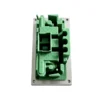
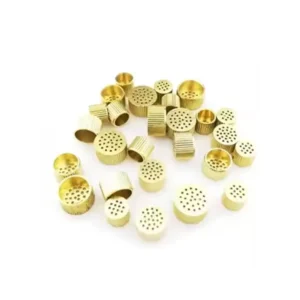
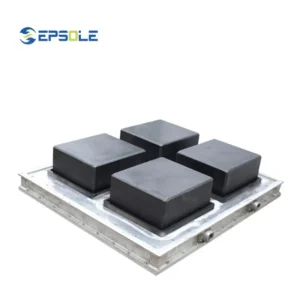
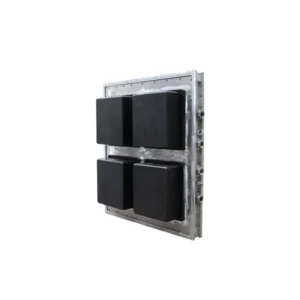
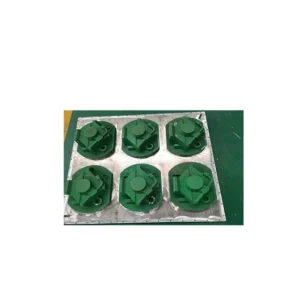
EPS (Expanded Polystyrene) customizable molds are essential for shaping EPS foam into a wide range of products, from fish boxes to insulation panels. The ability to tailor these molds to specific requirements offers immense flexibility and efficiency in manufacturing.
How EPS Customizable Molds Work?
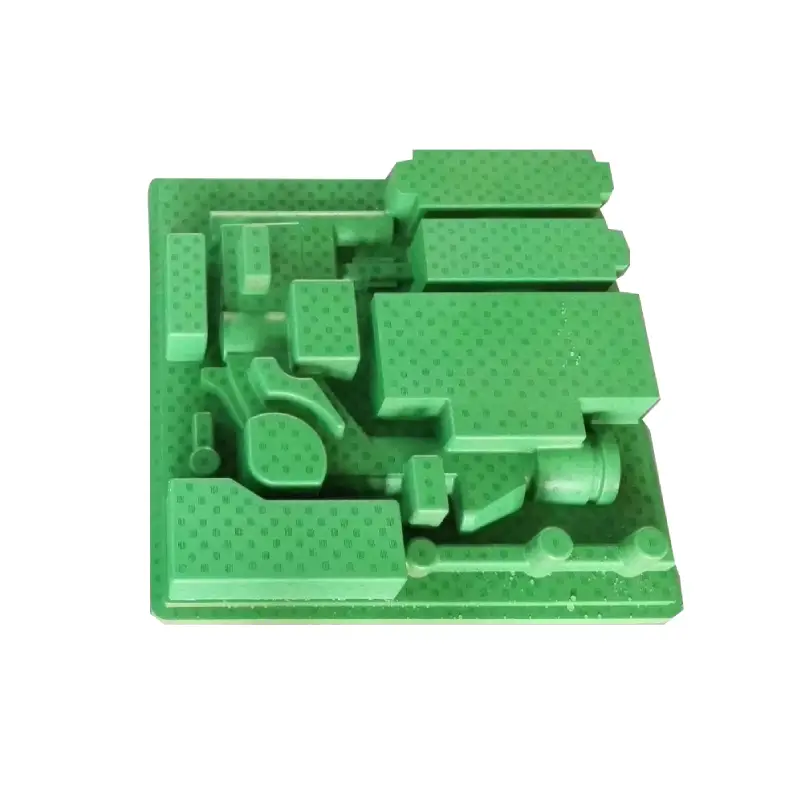
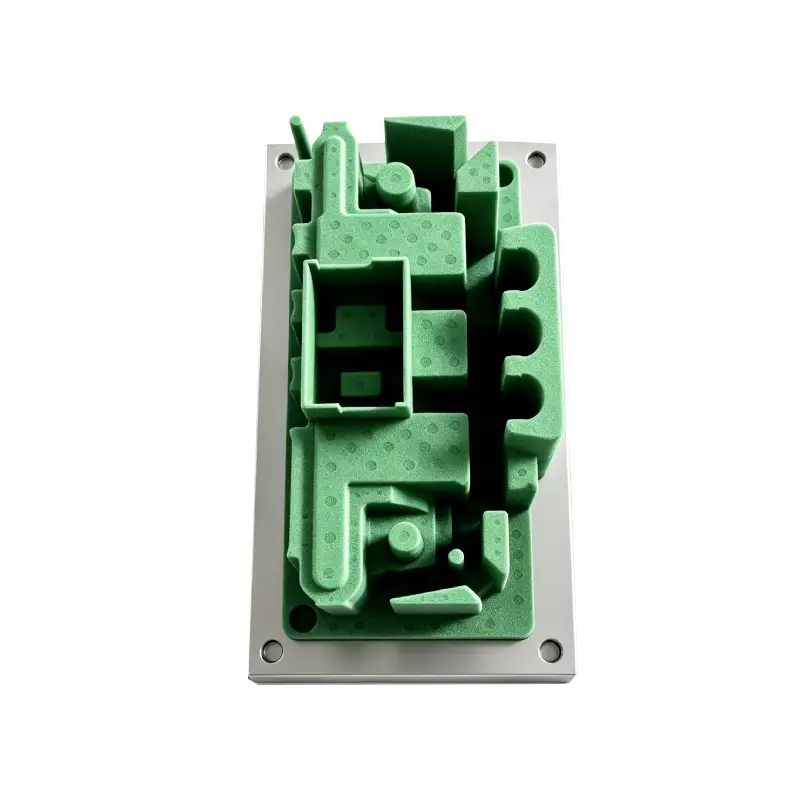
EPS customizable molds are essential tools for producing foam products with specific shapes, sizes, and structures. By combining advanced mold design technology with precise manufacturing processes, these molds allow manufacturers to create customized EPS components for packaging, construction, automotive, and industrial applications.
The EPS molding process ensures consistent quality, accurate dimensions, and efficient production for different customer requirements.
- Design and 3D Modeling: The first step involves creating a detailed 3D model of the desired EPS product using professional design software. Engineers analyze product dimensions, structure, and performance requirements to develop an accurate mold design. This digital model provides a foundation for producing precise and customized EPS foam products.
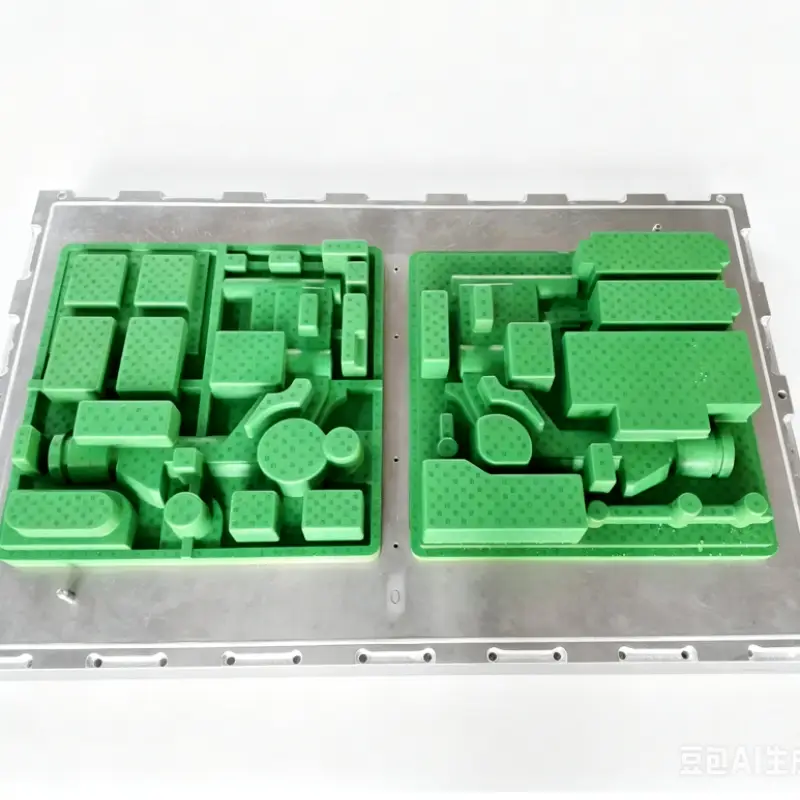
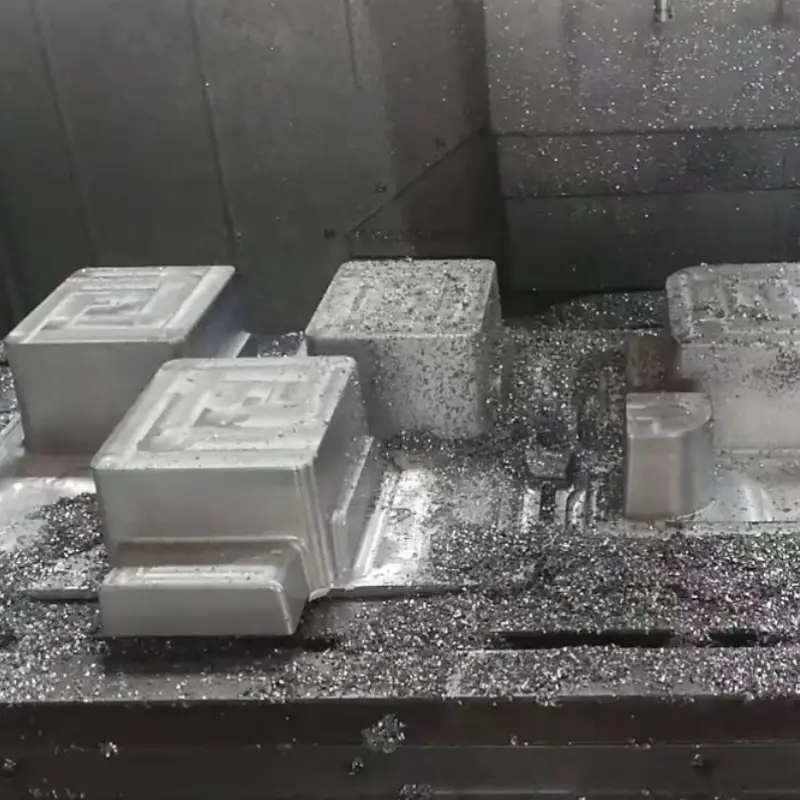
- Mold Creation with Durable Materials: Based on the 3D model, manufacturers produce the customized mold using strong materials such as aluminum or other durable metals. The mold is designed to withstand repeated production cycles while maintaining accurate shape and dimensional stability, ensuring consistent EPS product quality during large-scale manufacturing.
- EPS Bead Injection Process: During production, pre-expanded EPS beads are injected into the customized mold cavity. The beads are evenly distributed throughout the mold space, preparing them for expansion. Precise injection control ensures uniform material filling and helps achieve the required density and structural performance of the final product.
- Expansion and Shape Formation: After injection, steam is applied to expand the EPS beads inside the mold. The beads grow and bond together, filling every section of the mold cavity. This process allows the EPS material to accurately replicate the customized design while creating a lightweight and durable foam structure.
- Cooling and Solidification: Once the EPS material reaches the required shape, the molded product undergoes a cooling process. Cooling stabilizes the expanded beads and strengthens the internal structure. Proper temperature control helps prevent deformation and ensures that the finished EPS product maintains accurate dimensions and excellent physical properties.
- Trimming and Surface Finishing: After cooling, excess EPS material around the product edges is removed through trimming processes. Manufacturers carefully refine the surface and shape to achieve the required appearance and specifications. This final step improves product quality and prepares EPS components for packaging, assembly, or further processing.
- Quality Inspection and Testing: The finished EPS products are inspected to ensure they meet design specifications and performance requirements. Manufacturers check dimensions, density, strength, and surface quality. Strict quality control helps guarantee that customized EPS products provide reliable performance across different applications and industries.
Types of EPS Customizable Molds
EPS customizable molds are available in various types to meet the different requirements of packaging, construction, automotive, and industrial applications. Each mold type is designed according to product shape, production volume, and performance needs. By selecting the right EPS mold, manufacturers can achieve higher production efficiency, better product consistency, and customized foam solutions.
- EPS Packaging Molds: EPS packaging molds are widely used for producing protective foam inserts, electronic packaging, food containers, and shipping boxes. These molds are designed to create lightweight products with excellent cushioning performance. They help protect sensitive items during transportation while allowing manufacturers to customize shapes according to product dimensions.
- EPS Construction Molds: EPS construction molds are mainly used for producing insulation panels, decorative elements, and building materials. These molds provide precise shaping and consistent density control, helping create energy-efficient construction products. Their customizable designs allow manufacturers to produce EPS components that meet different architectural and insulation requirements.
- EPS Automotive Molds: EPS automotive molds are designed for manufacturing lightweight vehicle components such as seat cushions, protective parts, and interior structures. These molds require high precision and durability to meet automotive industry standards. Customized designs help reduce vehicle weight while maintaining safety, comfort, and impact protection performance.
- EPS Fish Box Molds: EPS fish box molds are specially developed for producing insulated seafood containers and cold chain packaging. These molds create lightweight boxes with excellent thermal insulation and moisture resistance. Their customized structures help maintain freshness during transportation while supporting efficient storage and distribution in the seafood industry.
- EPS Helmet Molds: EPS helmet molds are used to manufacture protective foam liners for bicycle helmets, sports helmets, and safety equipment. These molds require accurate shaping to provide proper impact absorption and user comfort. Customized helmet molds help manufacturers produce different sizes, designs, and safety performance levels.
- EPS Cup and Food Container Molds: EPS cup and food container molds are designed for producing disposable or insulated food packaging products. These molds provide accurate dimensions and smooth surfaces for mass production. Customized designs allow manufacturers to create containers with different capacities, shapes, and functional requirements for food service applications.
- EPS Furniture and Decorative Molds: EPS furniture and decorative molds are used to create lightweight decorative products, models, and artistic structures. These molds support complex shapes and creative designs while maintaining EPS material advantages. They are commonly applied in exhibitions, interior decoration, and custom manufacturing projects.
- Custom Multi-Cavity EPS Molds: Multi-cavity EPS molds are designed for high-volume production by creating multiple products in one molding cycle. These molds improve manufacturing efficiency, reduce production time, and lower costs. They are suitable for businesses requiring large quantities of consistent EPS products with customized specifications.
Benefits of Using Customizable Molds
Customizable molds provide manufacturers with greater flexibility, accuracy, and efficiency when producing EPS foam products. Unlike standard molds, customized solutions are designed according to specific product requirements, allowing businesses to achieve unique shapes, precise dimensions, and improved performance. These advantages make customizable molds valuable for industries such as packaging, construction, automotive, and consumer products.
- Precise Product Customization: Customizable molds allow manufacturers to create EPS products with exact shapes, sizes, and structures based on customer requirements. This precision ensures better product fitting, improved functionality, and consistent quality. Businesses can develop unique foam solutions that meet specific application needs while maintaining reliable manufacturing standards.
- Improved Production Efficiency: Customized molds are designed to optimize the molding process and reduce unnecessary production steps. Their accurate structures help shorten cycle times, improve material usage, and increase output capacity. Manufacturers can achieve faster production speeds while maintaining consistent quality across large quantities of EPS foam products.
- Reduced Material Waste: Customizable molds help control EPS material distribution more effectively during the molding process. By designing molds according to product specifications, manufacturers can minimize excess material and reduce waste. This improves cost efficiency, supports sustainable production practices, and helps businesses maximize the value of raw materials.
- Enhanced Product Quality and Consistency: Using customized molds ensures every EPS product maintains the same dimensions, shape, and structural performance. Advanced mold designs provide better control over density, surface finish, and overall appearance. This consistency is especially important for industries requiring reliable foam components and professional product presentation.
- Support for Complex Product Designs: Customizable molds enable manufacturers to produce EPS products with complicated shapes, detailed structures, and unique features. Advanced mold-making technologies allow greater design freedom compared with traditional methods. This capability helps businesses develop innovative products for specialized applications and competitive markets.
- Cost Savings in Long-Term Production: Although customized molds require initial investment, they can reduce production costs over time. Durable mold materials and optimized designs provide longer service life, fewer production issues, and lower maintenance requirements. Businesses benefit from improved efficiency and better return on investment throughout repeated manufacturing cycles.
- Better Compatibility with Different Applications: Customizable molds can be developed for various industries, including packaging, automotive, construction, electronics, and food transportation. Manufacturers can adjust mold structures according to different performance requirements. This flexibility allows EPS solutions to meet diverse market demands with greater adaptability.
- Faster Product Development Process: Customized molds help accelerate the transition from product concepts to finished EPS components. With advanced 3D modeling and mold manufacturing technologies, designers can quickly create prototypes and make adjustments. This reduces development time and helps businesses launch new products more efficiently.
Applications of EPS Customizable Molds
- Packaging: Creating custom-fit packaging for fragile items.
- Construction: Manufacturing insulation panels, roof panels, and architectural elements.
- Seafood Industry: Producing fish boxes of various sizes and shapes.
- Automotive: Creating parts like headliners and interior components.
- Consumer Goods: Producing packaging for electronics, appliances, and more.
Considerations for Mold Design
- Product Dimensions: Accurate measurements are crucial for proper fit.
- Mold Material: Choose a material that can withstand the temperature and pressure of the EPS molding process.
- Mold Life: Consider the expected production volume to determine mold durability.
- Cost: Balance the cost of the mold with the production benefits.
Advanced Molding Techniques
Advanced molding techniques have significantly improved the precision, efficiency, and versatility of EPS product manufacturing. By combining modern cutting technologies with automated processing systems, manufacturers can create complex EPS components with accurate dimensions and excellent surface quality. These techniques support industries such as packaging, construction, automotive, and industrial applications by enabling faster production and customized foam solutions.
- Hot Wire Cutting: Hot wire cutting uses a heated wire to precisely cut and shape EPS foam products according to specific designs. This technique provides smooth edges, accurate dimensions, and minimal material waste. It is widely used for creating insulation panels, prototypes, models, and customized EPS components with clean finishes.
- Water Jet Cutting: Water jet cutting uses high-pressure water streams to create detailed shapes and complex patterns in EPS materials. This cold-cutting method avoids heat damage and maintains material integrity. It is suitable for producing customized EPS parts that require precise contours, intricate designs, and excellent dimensional accuracy.
- CNC Machining: CNC machining provides highly accurate and automated processing for complex EPS components. Computer-controlled machines can create detailed structures, unique shapes, and precise surfaces based on digital designs. This technology improves production consistency and allows manufacturers to produce advanced EPS products for specialized industrial applications.
- 3D Modeling and Digital Design: 3D modeling technology allows manufacturers to develop accurate virtual designs before creating EPS products. Engineers can optimize product structures, test dimensions, and adjust designs efficiently. This digital approach reduces development time, improves mold accuracy, and supports the production of customized EPS components.
- Automated Molding Systems: Automated molding systems integrate advanced controls, sensors, and production software to improve EPS manufacturing efficiency. These systems monitor temperature, pressure, and molding conditions in real time. Automation reduces human errors, increases production stability, and helps manufacturers achieve consistent quality during large-scale EPS production.
- Steam Molding Technology: Steam molding is an essential technique used to expand and bond EPS beads inside molds. Advanced steam control systems ensure uniform heating and better material bonding. This technology improves product strength, surface quality, and dimensional accuracy while supporting the production of various customized EPS shapes.
- Multi-Cavity Mold Technology: Multi-cavity molds allow manufacturers to produce multiple EPS products simultaneously in one molding cycle. This technique increases production capacity, reduces processing time, and improves manufacturing efficiency. It is especially beneficial for large-volume orders requiring consistent product quality and cost-effective production solutions.
- Precision Mold Design Technology: Precision mold design uses advanced engineering methods to create highly accurate EPS molds. Detailed calculations and simulations help optimize mold structures, airflow, and material distribution. This improves product quality, reduces defects, and enables manufacturers to produce complex EPS components with reliable performance.
By understanding the intricacies of EPS customizable molds, businesses can optimize their production processes, reduce costs, and create innovative products.