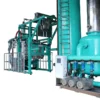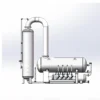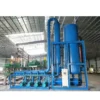
Central Vacuum System

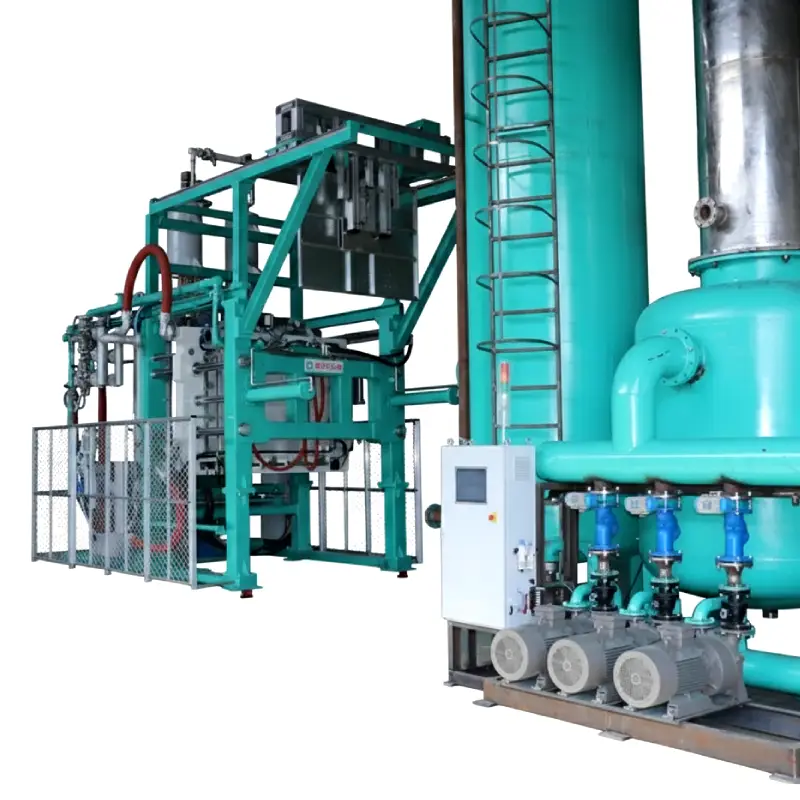
A Central Vacuum System is a built-in cleaning solution for homes or buildings, consisting of a network of pipes installed within walls to connect to a powerful central unit. It provides efficient vacuuming without the hassle of carrying a portable vacuum cleaner.

Central vacuum systems are specifically designed to efficiently clean up EPS (Expanded Polystyrene) debris, which can be challenging due to its lightweight and static-prone nature. These systems provide a more powerful and convenient cleaning solution compared to traditional handheld vacuums.

Central Vacuum System Components

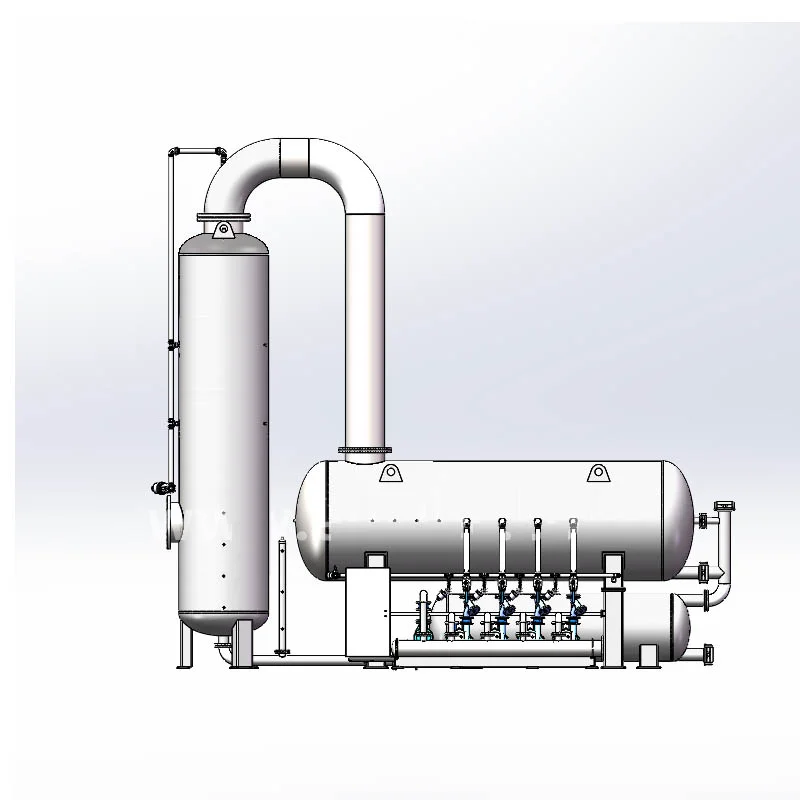
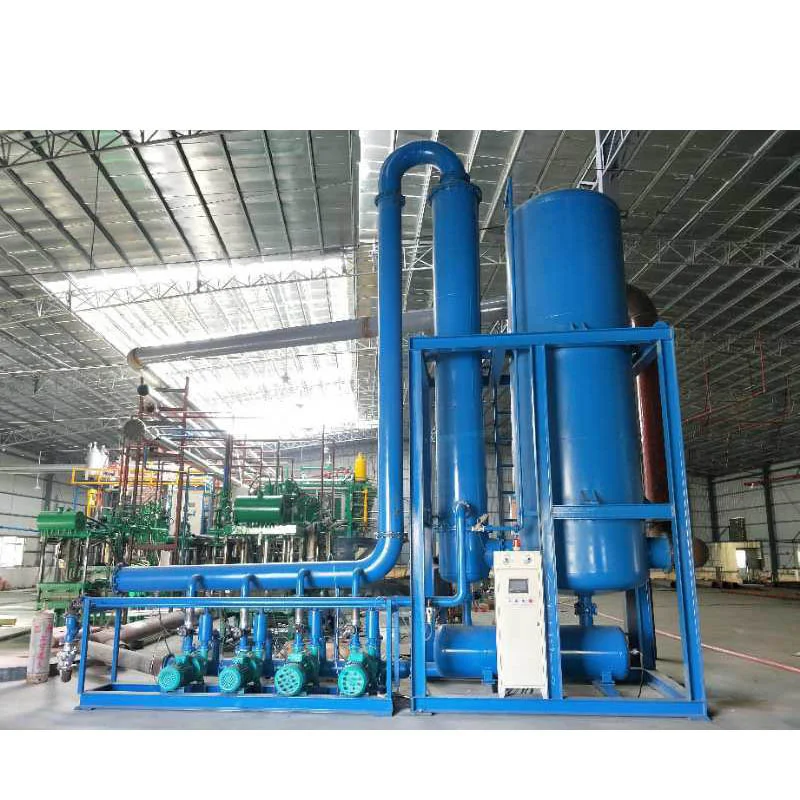
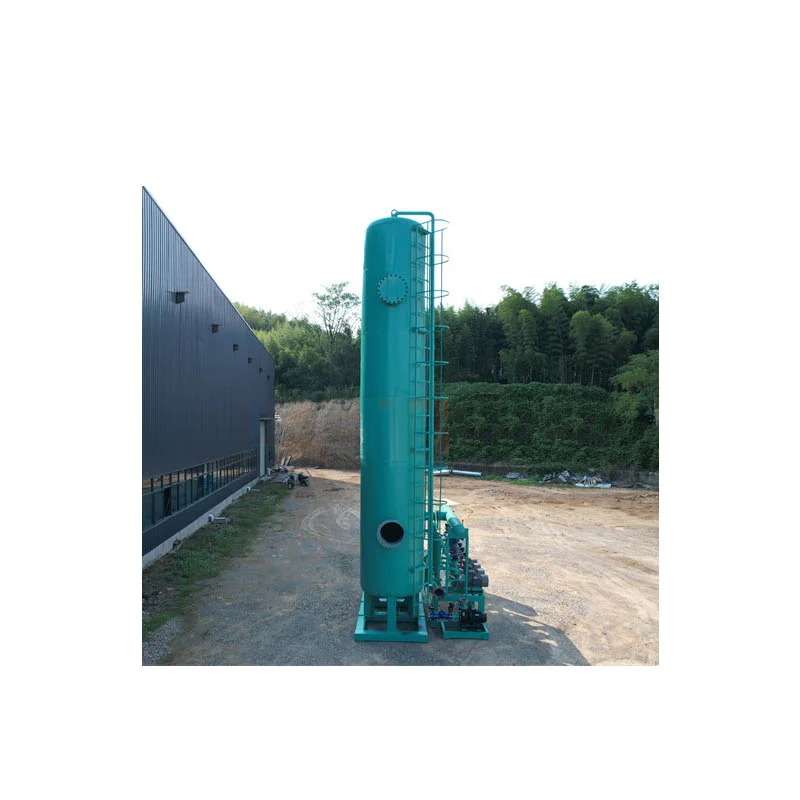
A Central Vacuum System consists of several key components that work together to provide powerful, convenient, and efficient cleaning throughout a home or commercial space. Understanding each component helps ensure proper installation, optimal performance, and easy maintenance, making the system a reliable long-term cleaning solution.

  • Filters and Dust Bags: Filters or dust bags trap fine dust, allergens, and debris to prevent them from returning to indoor air. High-quality filtration improves air quality, protects the vacuum motor, and ensures the system runs efficiently for long-term, low-maintenance operation.
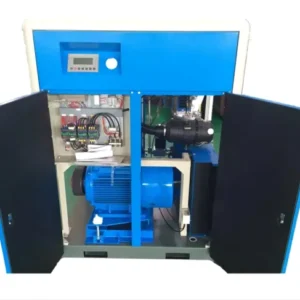
  • Power Unit (Vacuum Motor): The power unit houses the motor and collection container, generating suction to remove dirt and debris from the entire system. A strong, high-efficiency motor ensures consistent suction, while the container collects waste for easy disposal and reduces the need for frequent maintenance.
  • Inlet Valves: Inlet valves are installed in strategic locations around the building to connect the cleaning hose. They allow users to access the vacuum system easily, providing convenient cleaning without dragging a portable vacuum, while maintaining strong suction throughout the network of pipes.
  • Piping Network: The piping network connects the inlet valves to the power unit, transporting dirt and debris efficiently. Usually made of PVC or other durable materials, the network is designed to minimize suction loss and allow smooth airflow across long distances.
  • Hoses and Cleaning Tools: Flexible hoses and various cleaning tools, such as brushes, nozzles, and upholstery attachments, allow users to clean floors, carpets, furniture, and tight spaces. They are lightweight, easy to handle, and compatible with the central vacuum system for maximum efficiency.

Benefits of Using a Central Vacuum System for EPS

Using a Central Vacuum System for EPS (Expanded Polystyrene) production and handling improves cleanliness, efficiency, and workplace safety. EPS beads and dust can be messy and lightweight, spreading easily.

A central vacuum system helps remove debris quickly, reduces material waste, and maintains a cleaner environment in manufacturing, packaging, and processing areas.

  • Cleaner Indoor Environment: Central vacuum systems improve air quality by removing fine EPS dust from the workspace. This creates a healthier, cleaner environment for employees, reduces cleaning labor, and maintains a professional and safe production area.
  • Efficient Debris Collection: Central vacuum systems quickly capture loose EPS beads and dust from production lines or work areas. This prevents accumulation, reduces manual cleaning time, and helps maintain an organized workspace, improving operational efficiency and reducing the risk of accidents caused by scattered EPS particles.
  • Improved Workplace Safety: EPS dust can create slippery surfaces or air contamination. Using a central vacuum system removes these particles effectively, reducing hazards, protecting workers from inhalation risks, and ensuring compliance with safety and environmental regulations in manufacturing or packaging facilities.
  • Reduced Material Waste: By capturing loose EPS beads before they are lost, central vacuum systems minimize material waste. Recovered beads can be reused in production, saving costs on raw materials while supporting sustainable practices in EPS manufacturing and packaging operations.
  • Enhanced Equipment Longevity: Accumulated EPS dust can interfere with machinery operation, causing wear or malfunction. A central vacuum system keeps production equipment clean, reducing maintenance frequency, extending machinery lifespan, and ensuring smooth and consistent EPS manufacturing processes.

Central Vacuum System Benefits

A central vacuum system offers a multitude of advantages over traditional portable vacuums, significantly improving home cleanliness and air quality. One of the primary benefits is its superior cleaning power.

  • Long-Term Cost Savings and Durability: Central vacuum systems are built with robust, commercial-grade components designed for longevity, often lasting for decades with minimal maintenance. This durability, coupled with the elimination of frequently purchasing replacement portable vacuums, can lead to substantial long-term cost savings for homeowners over many years.
  • Enhanced Suction Strength: Central vacuum units typically boast motors that are three to five times more powerful than those found in conventional portable vacuums, allowing them to extract more deeply embedded dirt, dust, and debris from carpets, rugs, and hard flooring surfaces, leading to a truly thorough clean that lasts longer.
  • Improved Indoor Air Quality: Unlike portable vacuums that recirculate fine dust particles back into the air, central vacuum systems vent 100% of the vacuumed dirt and allergens to a sealed collection canister located in a remote area, such as a garage or utility room, which drastically reduces airborne pollutants and improves the air you breathe.
  • Reduced Noise Levels: Because the main power unit and motor are situated away from the living areas, operating a central vacuum system is significantly quieter than using a portable unit. This allows for vacuuming without disturbing other household members, phone calls, or television viewing, creating a more peaceful cleaning experience.
  • Increased Convenience and Ease of Use: With lightweight hoses that simply plug into wall inlets throughout your home, there’s no need to lug a heavy, cumbersome vacuum cleaner up and down stairs or from room to room. This makes cleaning less strenuous and more efficient, saving you time and effort on a regular basis.

Considerations for EPS Cleaning

When selecting a central vacuum system for EPS, consider the following factors:

  • Cleaning EPS (Expanded Polystyrene) requires careful handling due to its lightweight, fragile nature and tendency to produce dust. Proper cleaning methods prevent damage, reduce waste, and maintain a safe, efficient workspace. Considering material sensitivity, dust control, and the right tools ensures effective cleaning for EPS in manufacturing, packaging, or storage environments.
  • Use Appropriate Tools: Soft brushes, low-pressure air blowers, or central vacuum systems designed for lightweight particles are ideal. These tools effectively remove debris while protecting EPS shapes and maintaining a clean, safe, and efficient workspace.
  • Use Gentle Cleaning Methods: EPS is lightweight and can break easily, so cleaning should avoid harsh scrubbing or strong solvents. Soft brushes, low-pressure air, or gentle vacuum systems help remove debris without damaging shapes or reducing material quality.
  • Control Dust and Debris: EPS cleaning generates fine beads and dust that can spread widely. Using central vacuum systems or containment methods prevents contamination of surrounding areas, keeps the workspace tidy, and minimizes health and safety risks for workers handling EPS materials.
  • Avoid Water Saturation: EPS is sensitive to moisture and can absorb water, causing deformation or weakening. Dry cleaning methods or limited damp wiping with minimal water prevents damage, maintains structural integrity, and ensures EPS products retain their original shape and performance.
  • Protect Work Surfaces: During cleaning, use mats, trays, or designated areas to catch loose EPS beads. This prevents contamination of floors or other materials, reduces cleanup effort, and allows recovered EPS beads to be reused, minimizing waste in production or storage areas.

    WE WANT TO HEAR FROM YOU