
When looking for the right soundproofing material, many people may consider foam, specifically polystyrene (PS), commonly known as Styrofoam. But Styrofoam Soundproof: Is Styrofoam a Viable Option for Soundproofing?
While effective for dampening echoes and minor noise, Styrofoam has limitations compared to heavier soundproofing materials. Understanding its strengths and weaknesses can help you choose the right application. This guide covers practical uses, cost considerations, and tips to get the most from Styrofoam soundproofing in everyday projects.
What is Styrofoam?
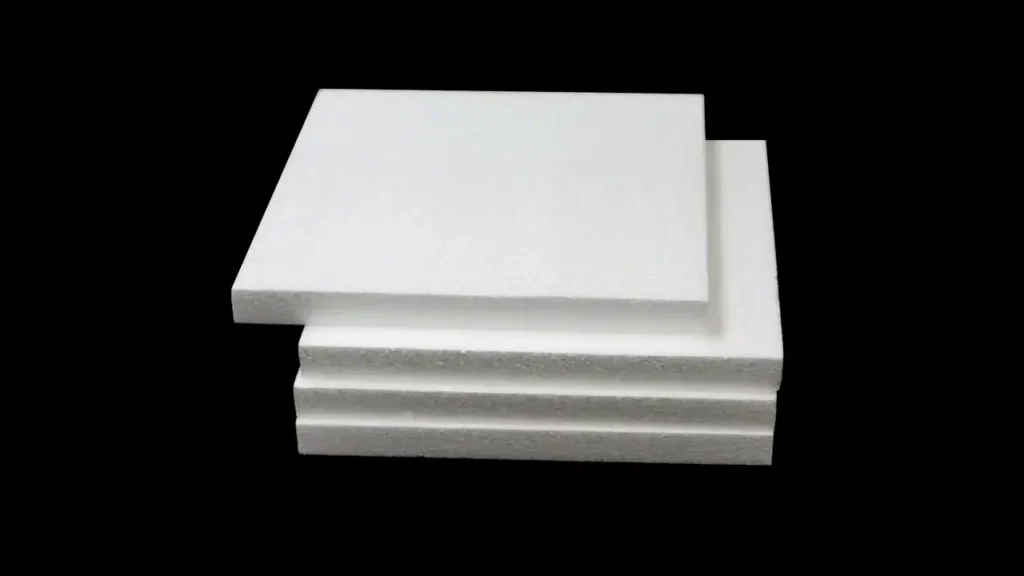
Styrofoam is a trademarked brand of expanded polystyrene foam (EPS) material, commonly used in a wide range of applications due to its lightweight and insulating properties.
It is manufactured by expanding polystyrene beads in a mold, using steam or a blowing agent, to create a foam product with a closed-cell structure.
Styrofoam Benefits
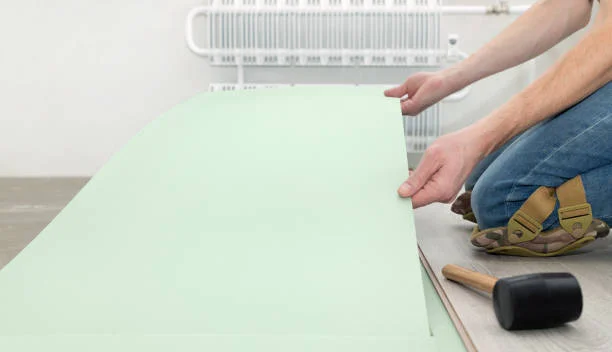
Here are some beenefits of the styrofoam:
- Cost-efficient protection: Its combination of cushioning performance and low weight can make foam packaging a cost-conscious choice for high-volume shipping. By reducing product breakage and adding relatively little freight weight, it may help limit replacement and transportation costs.
- Thermal insulation: Styrofoam’s closed-cell structure traps air pockets that reduce heat transfer. In building applications, it can help maintain steadier indoor temperatures, improve energy efficiency, and support insulation performance in walls, roofs, foundations, and other moisture-prone areas.
- Lightweight handling: Because it has a low density, Styrofoam is easier to lift, transport, cut, and install than many heavier materials. This can reduce labor demands in construction and lower shipment weight when it is used as protective packaging.
- Moisture resistance: True XPS Styrofoam is made with a closed-cell structure that resists water absorption and water-vapor transmission. That characteristic is especially useful for insulation applications exposed to humidity, ground moisture, or occasional wet conditions.
- Impact protection: Foam cushioning helps disperse shock and vibration around fragile goods. Manufacturers and shippers use molded polystyrene inserts to protect items such as electronics, appliances, glassware, and equipment during storage, handling, and transportation.
- Compressive strength: Compared with many lower-density foam options, XPS can withstand greater pressure without deforming. This makes it useful where insulation must also tolerate loads, including certain flooring, foundation, and structural-support applications.
- Versatile fabrication: Styrofoam can be cut, shaped, molded, painted, and adapted to project-specific dimensions. Builders, manufacturers, artists, and event designers use that flexibility for insulation boards, custom packaging, prototypes, displays, decorations, and model-making.
- Temperature control: In food and cold-chain logistics, foam containers help slow temperature changes around perishable goods and sensitive supplies. Its insulating qualities can help protect products during storage and transit, although disposal requirements should be considered.
Is Styrofoam Soundproofing?
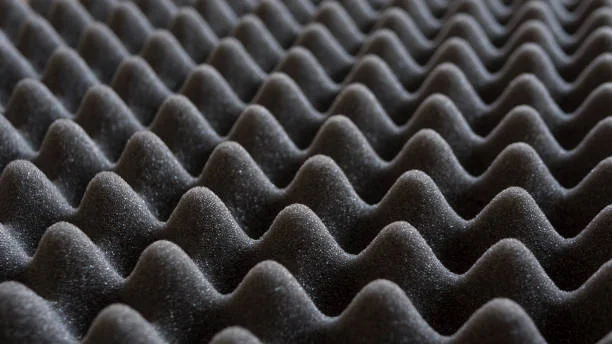
Styrofoam soundproofing can help reduce echoes and minor noise, but it is not a complete solution for blocking loud sounds. Its lightweight structure absorbs some sound waves, making it suitable for home studios, small offices, or hobby rooms where full isolation is not required.
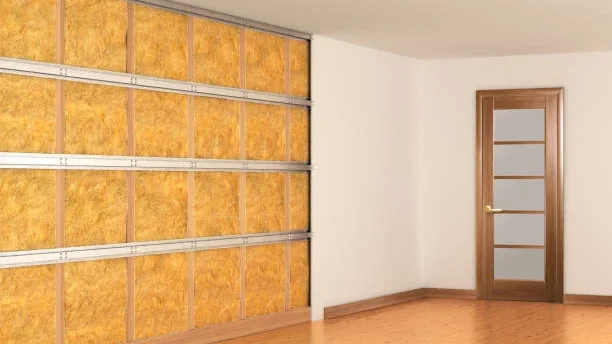
- Echo reduction: Styrofoam panels help soften sound reflections in small spaces, improving clarity for recording or meetings.
- Affordable option: It is an inexpensive material for temporary or DIY soundproofing projects.
- Easy installation: Lightweight panels can be cut and mounted without heavy equipment.
- Limited noise blocking: Not ideal for isolating loud machinery or external street noise.
- Layering potential: Combining with heavier materials can enhance effectiveness.
What Makes Styrofoam Soundproof?
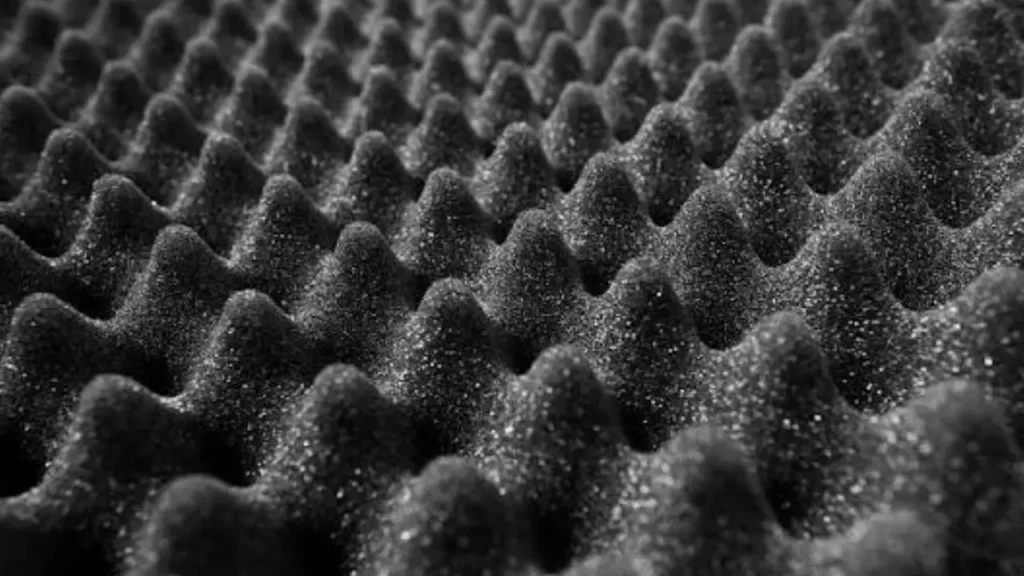
Styrofoam is only mildly useful for sound control. Its lightweight foam structure can scatter and slightly reduce some higher-frequency airborne sound, but it lacks the mass and open pores needed to truly block noise between rooms.
Why Strofoam affects sound
- Closed-cell structure: Expanded polystyrene (EPS), commonly called Styrofoam, contains many tiny air-filled cells. Sound waves encounter boundaries between air and plastic, causing some energy to reflect and scatter rather than travel straight through the sheet.
- Airborne high frequencies: Thin, lightweight foam materials tend to affect higher-pitched sounds more than bass. Speech, light mechanical noise, and sharp reflections may be reduced modestly, while deep music, traffic rumble, and subwoofer energy pass through readily.
- Thickness and density: A thicker or denser EPS layer can improve performance somewhat because sound follows a longer, more interrupted path. Yet performance depends on the complete wall, ceiling, or floor assembly—not Styrofoam alone.
Absorption versus soundproofing
- Sound absorption reduces echo inside a room by converting or dissipating some acoustic energy. Open-cell acoustic foam, fiberglass, and mineral wool generally perform this job much better than closed-cell Styrofoam because air can move through their porous structure.
- Soundproofing means preventing sound from entering or leaving a space. It usually requires mass, airtight construction, mechanical decoupling, and sealed gaps. Styrofoam is very light, so it cannot provide the mass needed for strong transmission loss on its own.
- NRC and STC differ: NRC describes midrange sound absorption, while STC describes how well an assembly blocks airborne sound transmission. A material can alter room reflections without meaningfully stopping neighbors from hearing it.
Comparison With Other Sound Insulation Materials
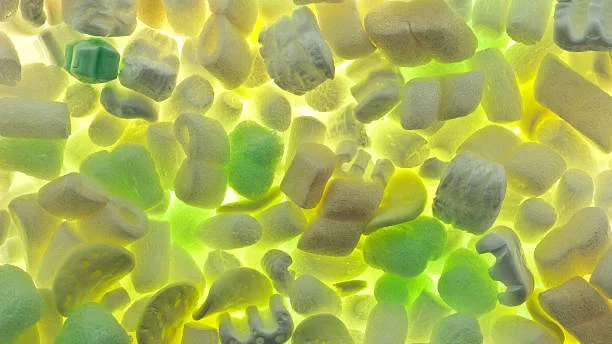
When considering Styrofoam for sound insulation, it’s essential to compare it with other commonly used soundproofing materials to understand its effectiveness and limitations. Let’s compare Styrofoam with a few alternatives:
Acoustic Foam Panels:
- Acoustic foam panels are specifically designed for sound absorption and are widely used in recording studios, home theaters, and other sound-sensitive environments.
- Compared to Styrofoam, acoustic foam panels typically have a more open-cell structure, which enhances their ability to absorb sound waves across a broader frequency range.
- Acoustic foam panels are often more effective at reducing echoes, reverberations, and mid-to-high frequency noise than Styrofoam.
Mass-Loaded Vinyl (MLV):
- MLV is a dense, flexible material designed to block airborne sound transmission. It is commonly used in walls, ceilings, and floors to reduce noise from outside sources or between rooms.
- Unlike Styrofoam, MLV is specifically engineered to add mass and density, making it highly effective at blocking both high and low-frequency noise.
- While MLV is more expensive than Styrofoam, it offers superior soundproofing performance, especially in situations where blocking external noise is a priority.
Fiberglass Insulation:
- Fiberglass insulation is a common material used for thermal and sound insulation in buildings. It consists of fine glass fibers and is available in batts, rolls, or loose-fill form.
- Compared to Styrofoam, fiberglass insulation is denser and has better sound-absorbing properties. It can effectively reduce airborne sound transmission and improve acoustic comfort within a space.
- Fiberglass insulation may require professional installation and protective measures to prevent skin irritation from handling the fibers.
Rockwool (Mineral Wool):
- Rockwool is a mineral-based insulation material made from rock or slag. It is dense, fire-resistant, and offers excellent sound absorption and thermal insulation properties.
- Similar to fiberglass insulation, Rockwool is denser and more effective at absorbing sound compared to Styrofoam. It can be used in walls, ceilings, and floors to improve acoustic performance.
- Rockwool is more durable and fire-resistant than Styrofoam, making it suitable for use in high-temperature or fire-rated applications.
While Styrofoam can provide some level of sound insulation, especially in DIY projects or applications where minimal soundproofing is required, it may not match the performance of specialized soundproofing materials such as acoustic foam panels, mass-loaded vinyl, fiberglass insulation, or Rockwool.
Depending on the project’s specific requirements, it’s essential to consider each material’s acoustic properties, cost, durability, and installation requirements to determine the most suitable option for achieving the desired level of soundproofing.
Styrofoam Environmental Impact
Styrofoam, widely used for packaging and insulation, has significant environmental consequences due to its non-biodegradable nature. Its production relies on petroleum, contributing to carbon emissions, while improper disposal can pollute land and water ecosystems.
Understanding its environmental footprint is essential for sustainable material choices.
- Air and water pollution: Breaking down or incinerating Styrofoam releases toxic chemicals like styrene into air, soil, and water. These pollutants pose risks to human health and ecosystems, making reduction of Styrofoam use critical to minimize harmful effects.
- Non-biodegradable waste: Styrofoam can take hundreds of years to decompose in landfills, leading to accumulation in soil and water. Its persistence harms wildlife and ecosystems, while microplastics from Styrofoam infiltrate food chains, creating long-term environmental risks.
- Resource-intensive production: Manufacturing Styrofoam requires petroleum and energy, increasing greenhouse gas emissions. This consumption of non-renewable resources contributes to climate change, making alternatives or recycling crucial to reduce ecological impact and conserve energy and materials.
- Recycling challenges: Styrofoam is difficult and costly to recycle due to its lightweight and bulky nature. Most facilities do not accept it, leading to landfill disposal or incineration, while innovative recycling technologies remain limited in accessibility.
- Wildlife hazards: Discarded Styrofoam often reaches oceans and rivers, where animals mistake it for food. Ingested Styrofoam causes digestive blockages, malnutrition, and death, while fragments persist in water, affecting fish, birds, and other wildlife for long periods.
Why Choose Our Styrofoam?
Our Styrofoam products combine durability, lightweight design, and reliable performance, making them ideal for packaging, insulation, and craft projects. We focus on quality and consistency, ensuring each product meets your requirements while minimizing environmental impact. Choosing our Styrofoam gives you efficiency, safety, and cost-effectiveness in every application.
- Consistent quality control: Every batch of our Styrofoam undergoes strict quality checks to maintain uniform density, strength, and performance. This ensures reliable results for all applications, reduces risk of failure, and provides customers with consistent, trustworthy materials for their projects.
- Durable and reliable: Our Styrofoam is engineered for strength and resilience, protecting goods during transport and storage. Its consistent quality reduces breakage and waste, offering peace of mind for businesses and individuals seeking dependable packaging or insulation solutions.
- Lightweight and versatile: Easy to handle and shape, our Styrofoam suits a wide range of applications, from insulation to crafts. Its lightweight nature lowers shipping costs, simplifies installation, and allows creative flexibility for both industrial and personal projects.
- Cost-effective solution: Offering competitive pricing without compromising quality, our Styrofoam provides excellent value. It reduces material usage, transportation expenses, and labor, making it an efficient choice for businesses and individuals seeking practical and affordable packaging or insulation materials.
- Eco-conscious options: We offer products designed to reduce environmental impact, including recyclable Styrofoam alternatives. By choosing our materials, you contribute to sustainability efforts, minimize waste, and support eco-friendly practices while still enjoying the benefits of durable and versatile Styrofoam.
Conclusion
Styrofoam soundproofing offers a cost-effective way to improve room acoustics and reduce unwanted noise. Its lightweight design makes it easy to install, especially for DIY projects, while still providing noticeable sound-dampening benefits. For those on a budget, Styrofoam panels are a practical choice.
However, it’s important to recognize its limitations. Styrofoam works best for minor noise reduction rather than complete soundproofing. For spaces requiring high-level acoustic control, combining it with other materials can enhance performance. Proper planning ensures the most effective and long-lasting results.
For bulk projects or commercial applications, you can get wholesale Styrofoam blocks from our Epsole range. This ensures consistent quality, reliable supply, and competitive pricing. Whether for studios, offices, or workshops, our Styrofoam blocks provide the materials you need to create effective soundproofing solutions efficiently.