
EPS pelletizing is a crucial process in recycling expanded polystyrene (EPS) foam. By breaking down EPS foam into small pellets, manufacturers can reuse the material for various applications, reducing waste and promoting sustainability. This process helps conserve resources while making the material more manageable for further production.
Understanding how EPS pelletizing works is key to maximizing its benefits. Through specialized equipment like pelletizers, EPS foam is melted, compressed, and reformed into pellets. These pellets are easier to handle, transport, and integrate into new products, making them an eco-friendly alternative to landfill disposal. This technology plays a vital role in modern recycling efforts.
What is EPS Pelletizing?
EPS pelletizing is the process of converting expanded polystyrene (EPS) foam into small pellets through melting and compression. This pelletizing process helps recycle EPS waste, making it more manageable and suitable for reuse in manufacturing. The resulting pellets can be used to create new products, reducing environmental impact and promoting sustainability.
EPS Pelletizer Machine
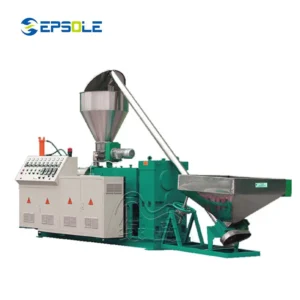
An EPS pelletizer machine is designed to efficiently convert expanded polystyrene (EPS) foam into small, uniform pellets for reuse. This machine plays a crucial role in recycling processes, enabling manufacturers to reduce waste and transform foam into valuable raw materials for further production.
- Durable Construction: Built with high-quality materials, our pelletizer machines are designed for durability and longevity. They withstand the rigorous demands of continuous operation, ensuring a long-lasting investment that reduces maintenance costs over time.
- Efficient Waste Management: The machine helps streamline EPS foam recycling, turning waste into reusable pellets, minimizing landfill use, and contributing to a more sustainable industry by promoting the recycling of plastic waste.
- Energy-Efficient Operation: Our pelletizer machines are designed to operate with minimal energy consumption, ensuring cost-effective performance. They are equipped with advanced features that maximize output while reducing the energy required for processing, leading to significant operational savings.
- High-Quality Pellet Production: The machine delivers high-quality pellets with uniform size and consistency. This consistency is critical for manufacturers looking to reuse the pellets in the production of new products, ensuring that the final output meets quality standards.
- Easy Integration: EPS pelletizer machines are designed to be easily integrated into existing production lines, allowing businesses to enhance their recycling capabilities without major adjustments. They are compatible with various setups, offering flexibility and scalability as needed.
How Does EPS Pelletizing Work?
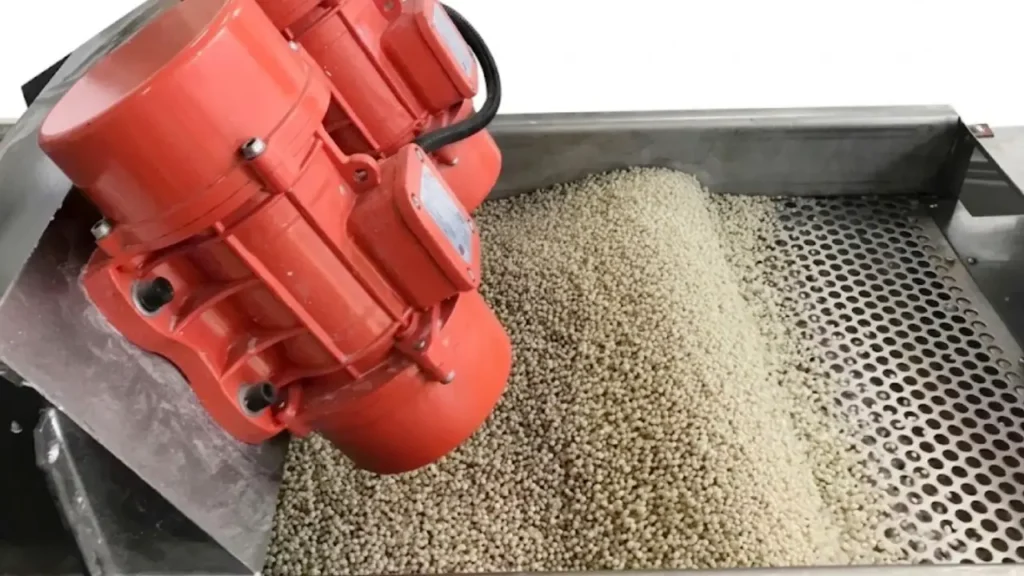
EPS pelletizing involves transforming expanded polystyrene foam into small, reusable pellets. The process starts with the collection of EPS waste, which is then fed into a pelletizing machine where it is heated, melted, and compressed into pellets that are cooled and ready for reuse in manufacturing.
Reuse in Manufacturing: Once pelletized, the EPS pellets are ready for integration into new products, closing the recycling loop. These pellets can be used in various industries, reducing the need for virgin plastic materials and supporting sustainable production practices.
Collection and Preparation: EPS waste is collected and cleaned before being fed into the pelletizer. This ensures that contaminants do not affect the final quality of the pellets, resulting in cleaner, more efficient recycling.
Melting and Compression: Inside the pelletizer, the EPS foam is heated and melted, turning it into a liquid form. The melted material is then compressed through specialized dies to form uniform pellets, making it easier to handle and process.
Cooling and Shaping: After being compressed, the pellets are cooled down quickly to solidify them. This step ensures that the pellets retain their shape and consistency, making them suitable for further use in manufacturing and production.
Quality Control: During the pelletizing process, the size and consistency of the pellets are closely monitored to ensure high quality. This guarantees that the final product meets the standards required for reuse in manufacturing processes.
How to Choose EPS Pelletizers?
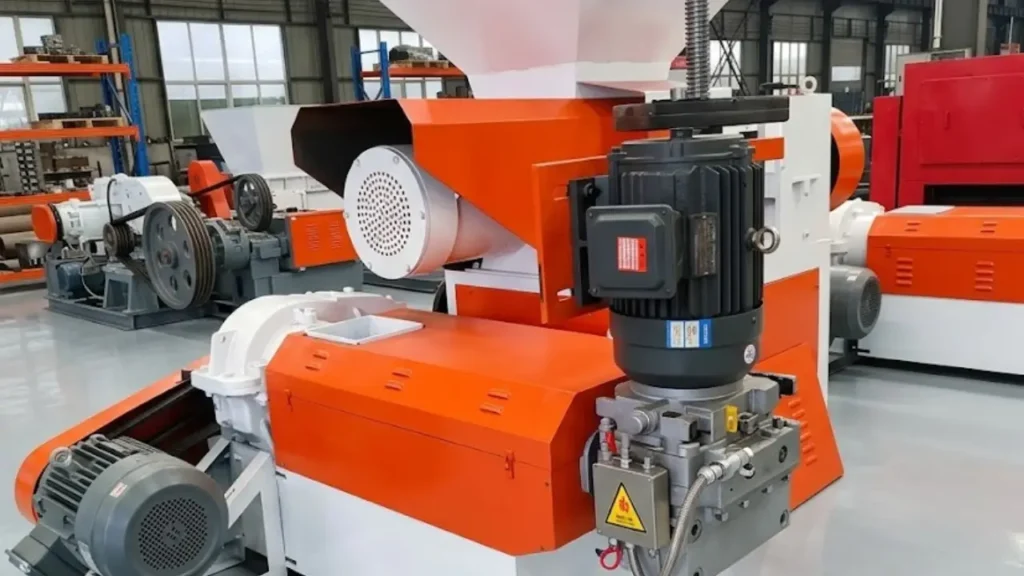
Choosing the right EPS pelletizer is crucial for efficient recycling and high-quality pellet production. Several factors should be considered, including machine capacity, energy efficiency, and ease of maintenance. Selecting the right pelletizer ensures that you maximize production output while minimizing operational costs and downtime.
- Automation Features: Look for pelletizers with advanced automation features that help reduce manual labor and increase efficiency. Automation can optimize the pelletizing process, allowing for higher production rates and more consistent pellet quality while reducing human error.
- Machine Capacity: Consider the amount of EPS waste your operation generates. Choose a pelletizer with a capacity that aligns with your production needs, ensuring you can process large volumes efficiently without overburdening the equipment or compromising output quality.
- Energy Efficiency: Opt for a pelletizer that minimizes energy consumption while delivering high performance. An energy-efficient machine reduces operational costs, lowers environmental impact, and enhances the overall sustainability of your recycling process.
- Material Compatibility: Ensure that the pelletizer is compatible with the types of EPS foam you intend to process. Different pelletizers are designed to handle various materials, so choosing one that matches your specific requirements will ensure better performance and longer equipment life.
- Ease of Maintenance: Regular maintenance is essential for the longevity of your pelletizer. Choose a model that is easy to maintain, with accessible parts and a clear maintenance schedule, reducing downtime and ensuring smooth, continuous operation.
Conclusion
EPS pelletizing is a game-changer for industries looking to reduce waste and improve sustainability. The process allows businesses to recycle polystyrene foam efficiently, turning waste into valuable raw material. By adopting EPS pelletizing technology, manufacturers can not only enhance their eco-friendly practices but also reduce costs associated with material procurement.
At Epsole, we provide high-quality wholesale EPS pelletizer machines designed to meet the specific needs of your business. Our pelletizing lines are engineered for performance, durability, and energy efficiency, helping you achieve optimal results in your recycling process. With our solutions, you can ensure a more sustainable future while maximizing your operational efficiency.
Whether you’re new to EPS recycling or looking to upgrade your current system, Epsole offers reliable pelletizing machines to fit your requirements. Our expert team is dedicated to providing support and guidance, ensuring your investment in EPS pelletizing is a smart, long-term choice. Explore our range of machines today for sustainable and cost-effective recycling solutions.