
EPS Panel Building systems are widely used in modern construction due to their lightweight structure and excellent insulation performance. By combining expanded polystyrene cores with reinforced layers, these panels create an effective barrier against heat transfer. This helps maintain stable indoor temperatures while reducing overall energy consumption in residential and commercial buildings.
Beyond thermal performance, EPS Panel Building solutions also offer impressive sound insulation benefits. The cellular structure of EPS absorbs and reduces airborne noise, limiting sound transmission between rooms or from outside environments. This makes EPS panels especially suitable for housing, offices, schools, and industrial facilities requiring quieter indoor spaces.
What are EPS Panels?
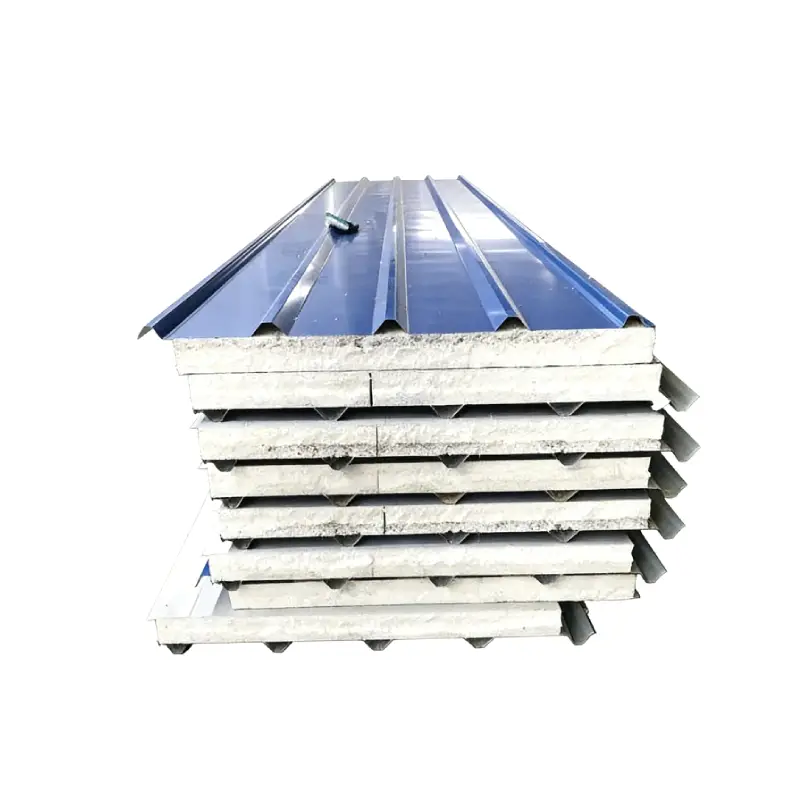
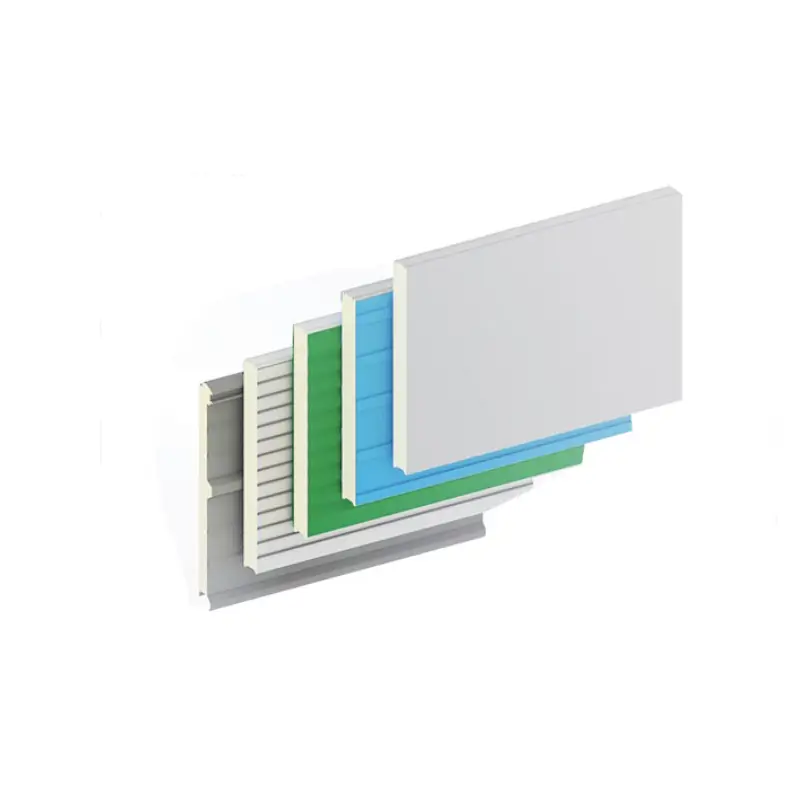
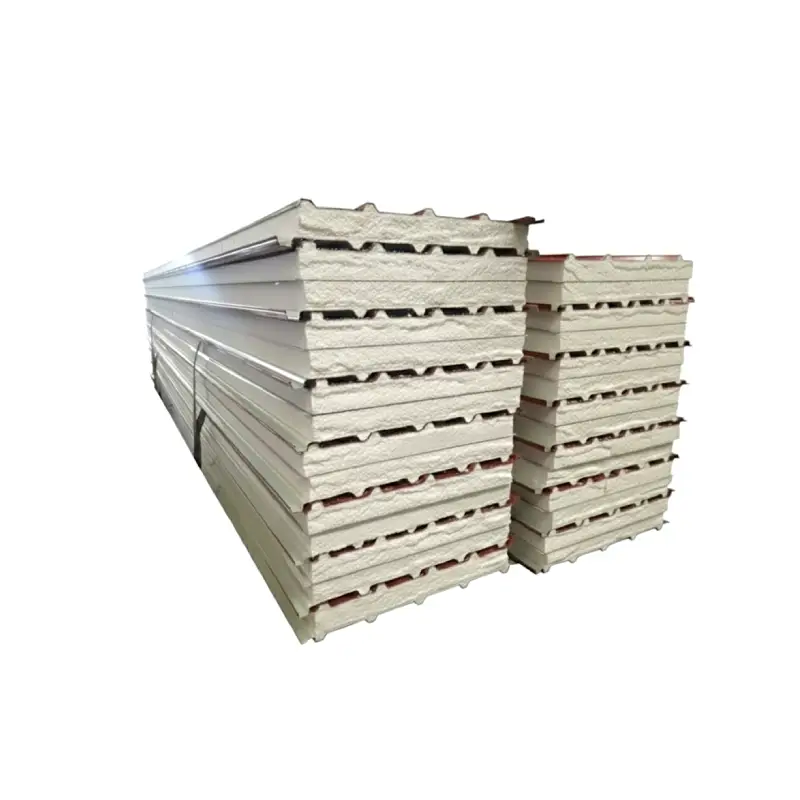
EPS panels are construction panels made with an expanded polystyrene (EPS) foam core bonded between protective outer layers, often cement boards or steel sheets. The EPS core is lightweight yet rigid, providing strong structural support while maintaining excellent insulation performance. These panels are widely used in walls, roofs, and partition systems.
Because of their closed-cell foam structure, EPS panels offer effective thermal insulation and sound reduction. They help regulate indoor temperatures, reduce energy consumption, and improve overall comfort. In addition to insulation benefits, EPS panels are easy to transport, quick to install, and suitable for residential, commercial, and industrial building applications.
EPS Panel Building Techniques
EPS Panel Building techniques focus on speed, structural reliability, and insulation efficiency. Using prefabricated EPS panels allows faster installation compared with traditional systems. However, proper construction methods are essential to ensure strength, airtightness, and long-term thermal and acoustic performance in residential, commercial, and industrial building projects.
Moisture and Weather Protection – Effective waterproofing is essential to preserve insulation performance. Protective coatings, sealants, and exterior cladding systems are used to prevent water infiltration and humidity damage. Proper weather protection extends building lifespan, maintains indoor comfort, and ensures consistent energy-saving performance in various climate conditions.
Panel Layout and Structural Planning – Careful layout planning ensures panels are positioned according to load-bearing design and architectural drawings. Builders measure and align wall and roof lines precisely before fixing panels. This reduces cutting mistakes, limits material waste, improves installation efficiency, and guarantees structural stability throughout the project lifecycle.
Secure Panel Joint Connection – Strong joint treatment maintains both structural strength and insulation continuity. Panels are connected using steel bars, mesh reinforcement, and specialized fasteners to ensure firm bonding. Proper sealing prevents thermal bridging and air leakage, which significantly improves energy efficiency and long-term sound insulation performance.
Reinforcement and Surface Finishing – After installation, reinforcement mesh and cement-based coatings are applied to strengthen the structure and protect the EPS core. This increases impact resistance and enhances fire performance. Surface finishing also provides durability against external damage while maintaining stable thermal and acoustic insulation properties.
How to Build EPS Panels?
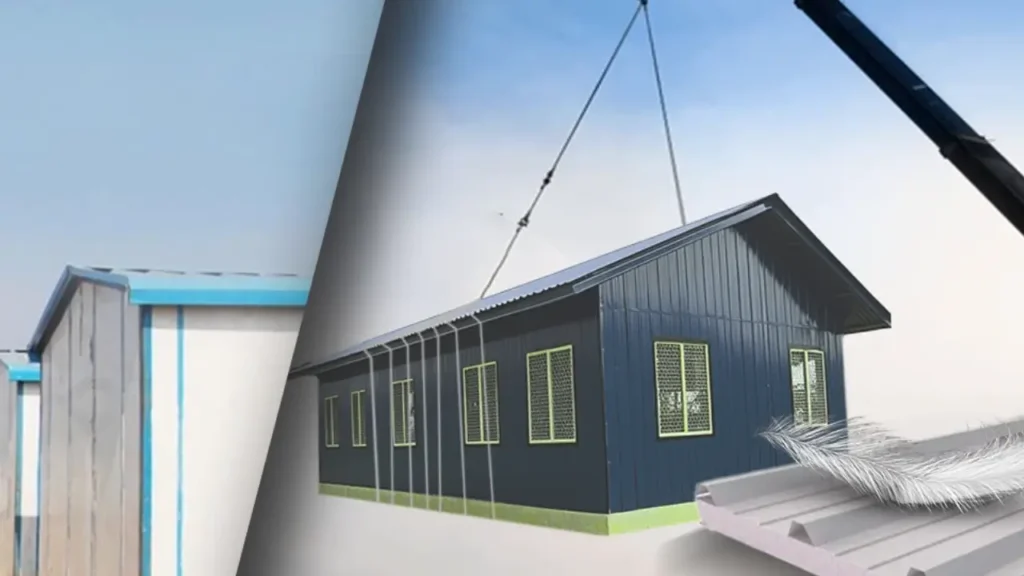
Building EPS panels requires careful preparation, precise assembly, and proper curing to ensure structural strength and insulation performance. By following systematic steps, manufacturers and builders can produce durable panels suitable for walls, roofs, and partitions.
Below is a clear step-by-step guide outlining essential tools and procedures for consistent results.
Tools Needed
- EPS foam blocks or boards
- Steel wire mesh or reinforcing mesh
- Cutting machine or hot wire cutter
- Adhesive or bonding agent
- Measuring tape and level
- Mixing equipment for cement mortar
- Trowels and finishing tools
- Protective gloves and safety equipment
Step 1: Prepare and Cut the EPS Core
The first step involves selecting the correct density and thickness of EPS foam according to structural and insulation requirements. Accurate measurement is essential to ensure panels meet design specifications. Mark dimensions clearly before cutting to avoid material waste and ensure uniform panel sizing.
Using a hot wire cutter or precision cutting machine, shape the EPS blocks to the required dimensions. Smooth edges help improve bonding strength during later assembly. After cutting, inspect each core for defects or irregularities to maintain consistent quality and reliable insulation performance.
Step 2: Install Reinforcement Layers
Place steel wire mesh or reinforcing mesh on both sides of the EPS core to provide structural strength. Ensure the mesh is evenly aligned and tightly secured to maintain balance. Proper positioning enhances load-bearing capacity and prepares the panel for cement application.
Fasten the mesh to the EPS core using connectors or binding wires to create a stable composite structure. Check alignment carefully before proceeding. Secure reinforcement prevents shifting during cement application and ensures the finished panel achieves required durability and impact resistance standards.
Step 3: Apply Cement Coating
Prepare cement mortar with the correct water-to-cement ratio to achieve proper consistency and bonding strength. Even mixing ensures smooth application and reduces surface cracking risks. Apply the first layer carefully to fully cover the reinforcing mesh and bond with the EPS core.
After the initial coat sets slightly, apply an additional layer to reach the required thickness. Use trowels to smooth the surface evenly and remove air pockets. Uniform coating thickness improves panel durability, enhances fire resistance, and strengthens overall structural performance.
Step 4: Cure and Finish the Panels
Allow the coated panels to cure in a controlled environment to achieve optimal strength and stability. Proper curing time prevents cracking and ensures cement layers fully bond with reinforcement and EPS core. Maintain adequate ventilation and avoid excessive moisture exposure.
Once curing is complete, inspect each panel for surface consistency and dimensional accuracy. Minor surface imperfections can be corrected with light sanding or finishing mortar. Finished panels should be stored in a dry area, ready for transportation or installation.
EPS Panel Building Tips
EPS Panel Building requires proper planning and installation techniques to ensure structural stability, insulation efficiency, and long-term durability. While EPS panels simplify construction and shorten project timelines, attention to foundation preparation, panel handling, joint sealing, and exterior protection is essential for achieving reliable performance and energy-saving benefits.
- Apply Protective Exterior Finishes – Exterior coatings or cladding systems shield EPS panels from rain, UV exposure, and mechanical impact. Choose compatible finishing materials that preserve insulation properties. Well-applied protective layers extend building lifespan and maintain stable thermal and acoustic performance in various climate conditions.
- Ensure Accurate Foundation Alignment – A level and properly prepared foundation is essential before installing EPS panels. Even minor misalignment can affect structural balance and joint tightness. Carefully verify base dimensions, anchor bolt positions, and vertical lines. Accurate foundation preparation ensures smoother installation and prevents structural stress problems later.
- Handle Panels Carefully During Transport – Although EPS panels are lightweight, improper handling may damage edges or surface coatings. Use protective supports and avoid excessive stacking pressure during shipping and on-site storage. Keep panels on dry, flat surfaces to prevent bending or moisture exposure, maintaining consistent insulation performance.
- Seal All Joints Thoroughly – Proper joint sealing prevents air leakage, thermal bridging, and unwanted sound transmission. Apply recommended sealants, reinforcement mesh, or steel connectors to create tight and secure connections. Careful joint treatment significantly improves energy efficiency, enhances indoor comfort, and strengthens the overall building envelope.
Conclusion
EPS Panel Building provides a practical and efficient way to enhance both thermal and acoustic comfort in modern structures. Its insulated core minimizes heat loss in winter and heat gain in summer, helping property owners reduce energy costs. At the same time, its sound-absorbing properties create more peaceful and productive indoor environments.
Compared with traditional brick or concrete systems, EPS panels are lighter, easier to install, and require less labor on site. Faster construction timelines mean lower overall project expenses. In addition, improved insulation performance supports sustainable building goals and helps meet increasingly strict energy efficiency regulations.
If you are planning a new project and want dependable insulation performance, consider sourcing wholesale EPS panels from our Epsole. We provide customized EPS panel solutions designed for durability, thermal efficiency, and sound control, supporting residential, commercial, and industrial construction needs worldwide.